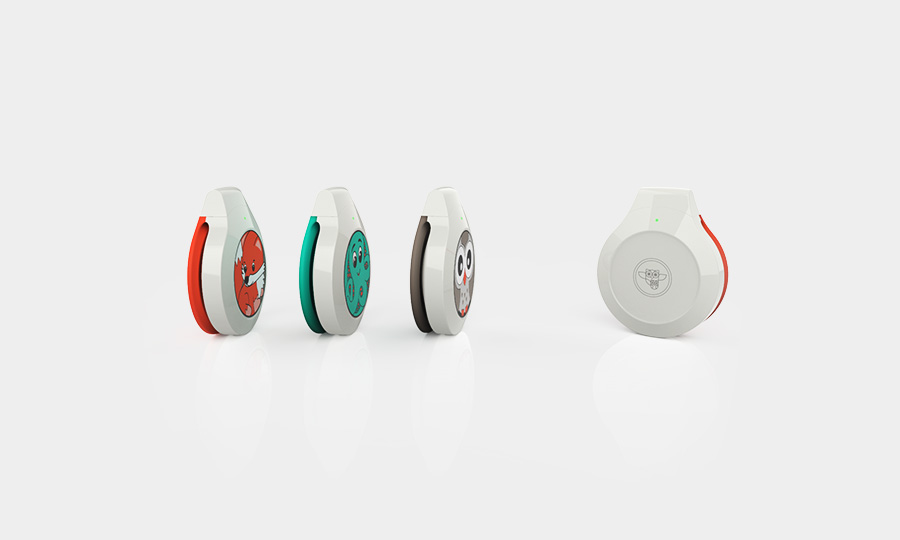
SafeTuck
Surgical Restraint System
Improving Operating Room Efficiency and Patient Safety
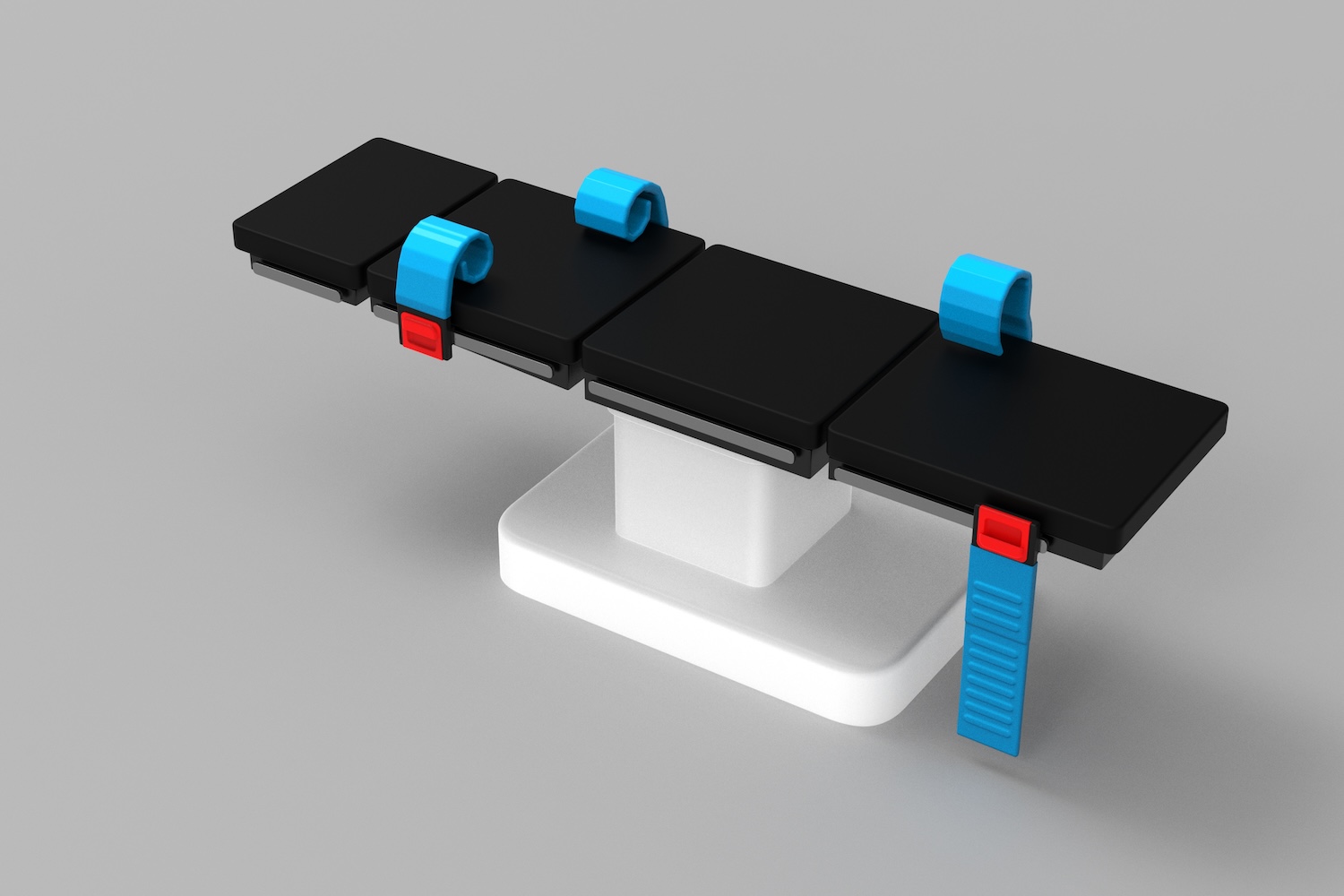
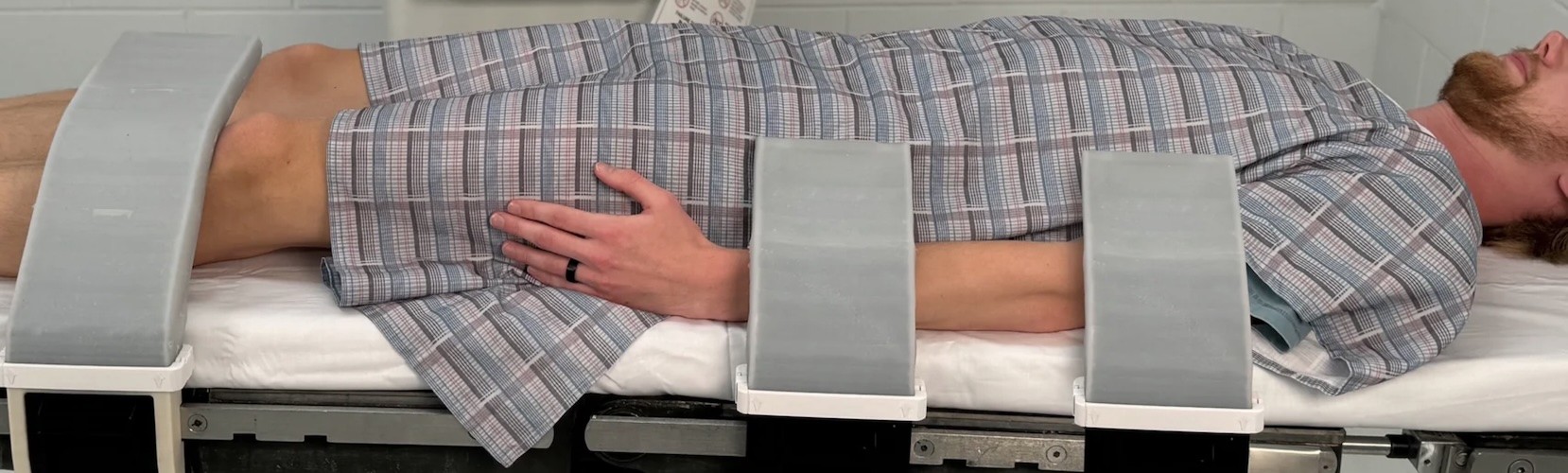
Securing a patient’s limbs prior to surgery is a critical pre-operative step that directly impacts patient safety, surgical efficiency, and operating room workflow. Traditional sheet-tucking techniques can be time-consuming and inconsistent, often requiring significant effort to position and re-access a patient’s arm during procedures. SafeTuck was conceived by Dr Volz, a practicing surgeon with more than 20 years of operating room experience, to address these challenges.
The goal of SafeTuck is to:
- Secure patients’ arms and legs quickly and safely
- Reduce operating room setup and turnover time
- Provide easy intraoperative access for anesthesiology teams
- Improve consistency and ease of use across OR staff
- Materials and geometries suitable for high-volume injection molding
- Compatibility with single-use sterile interface components
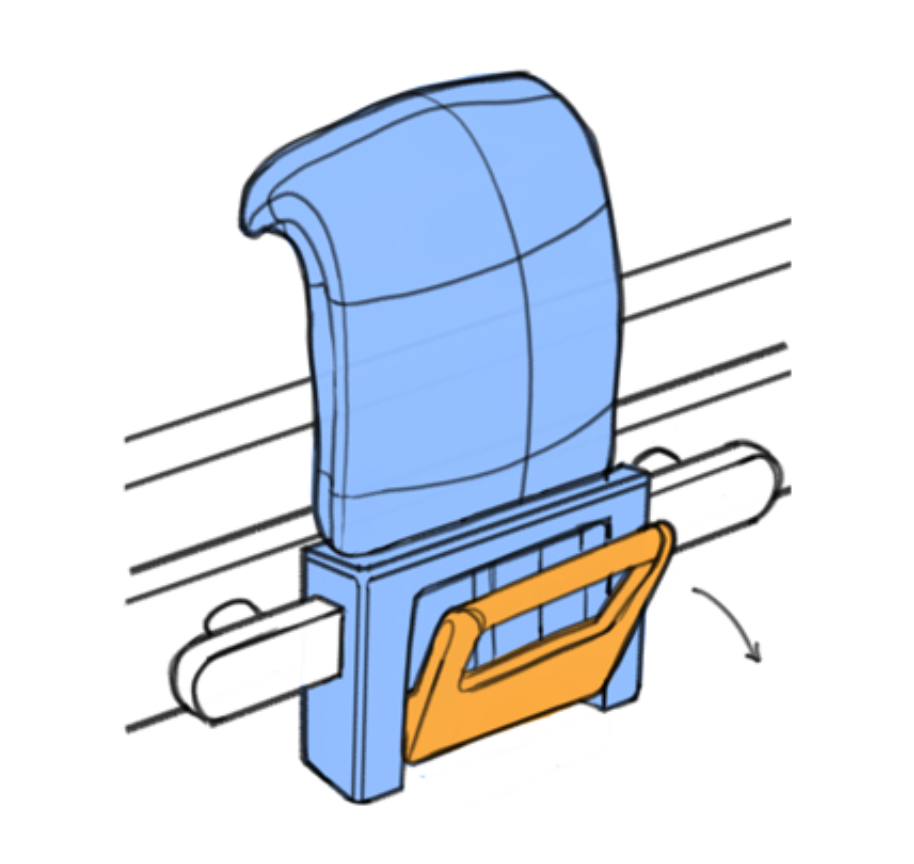
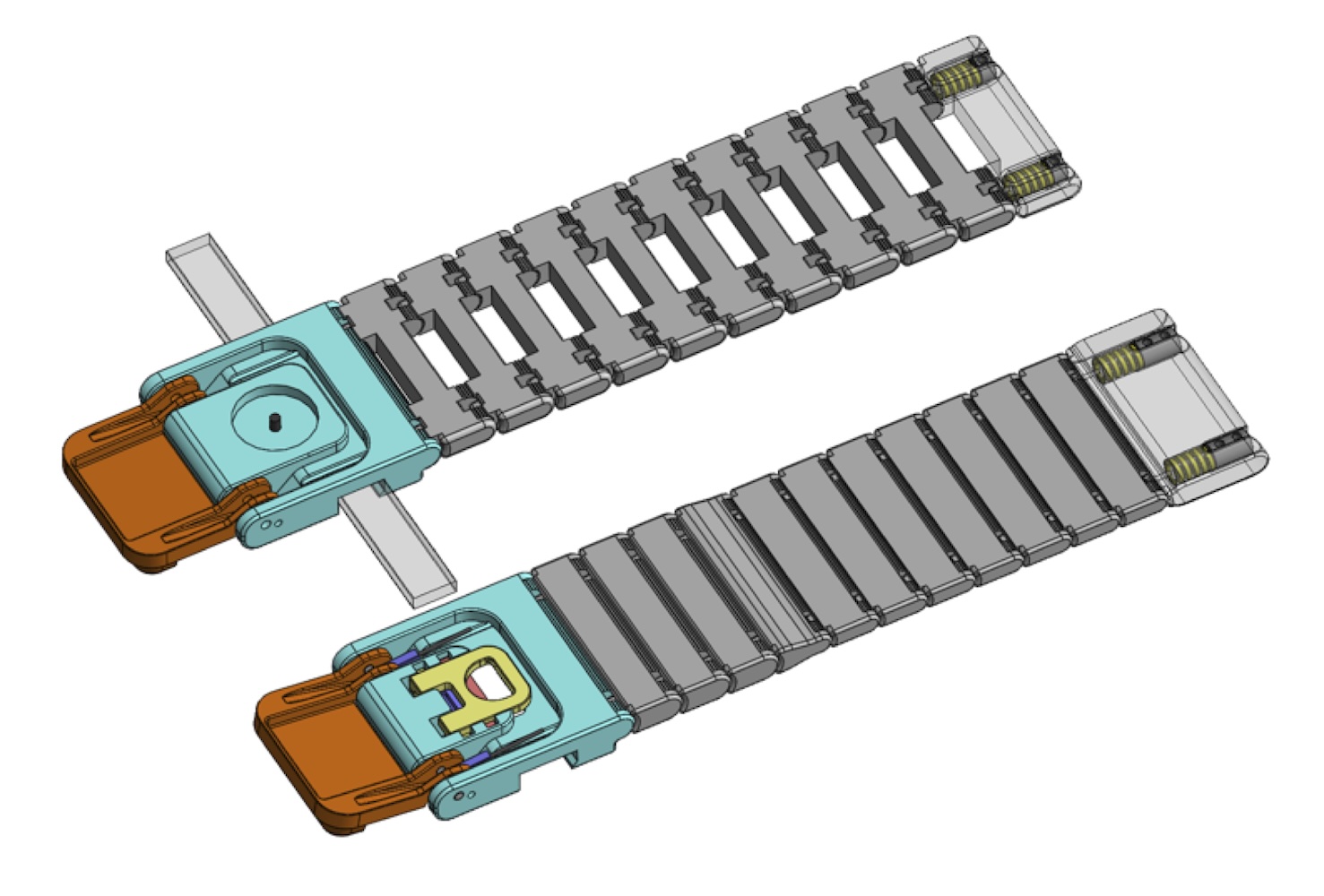
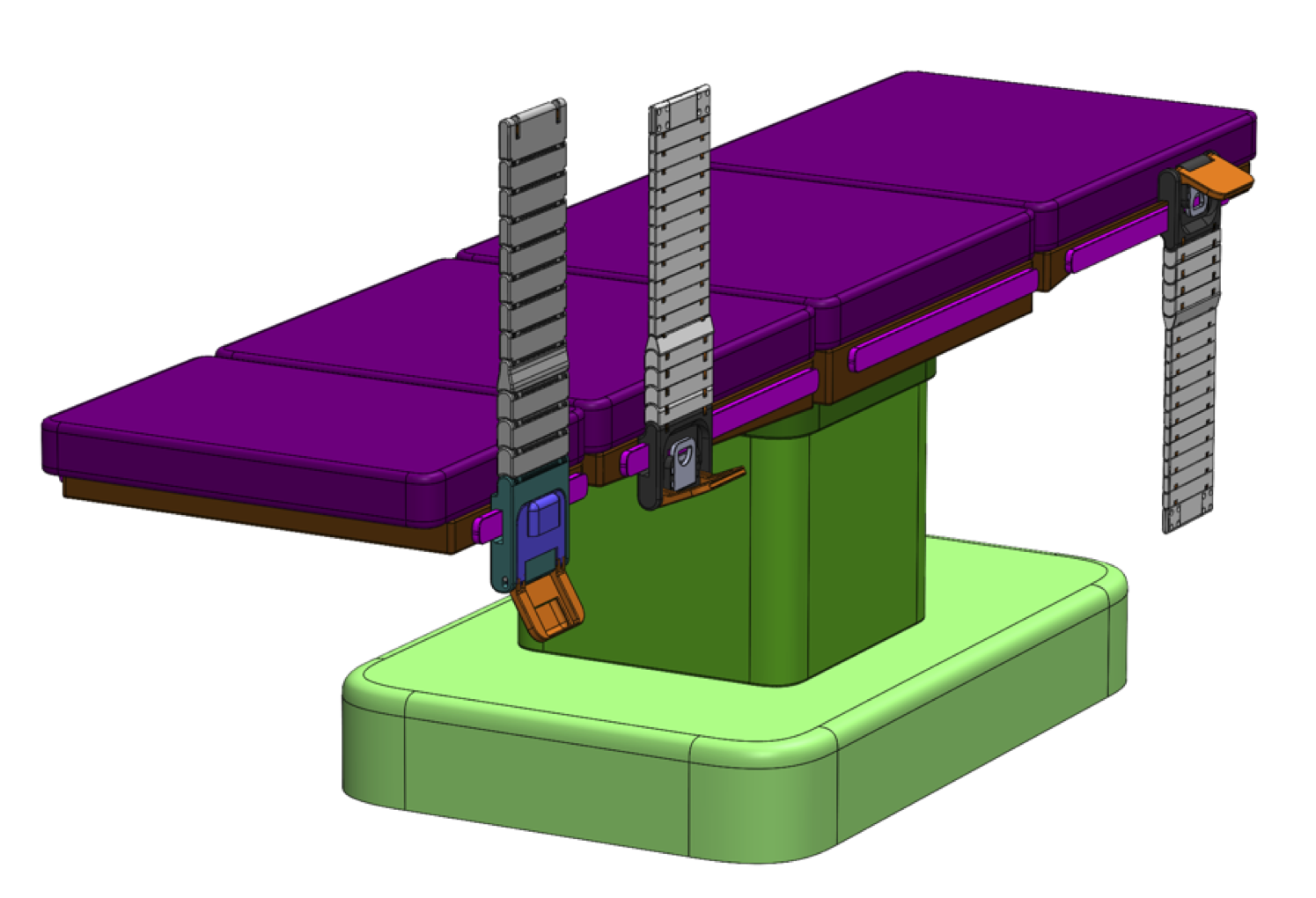
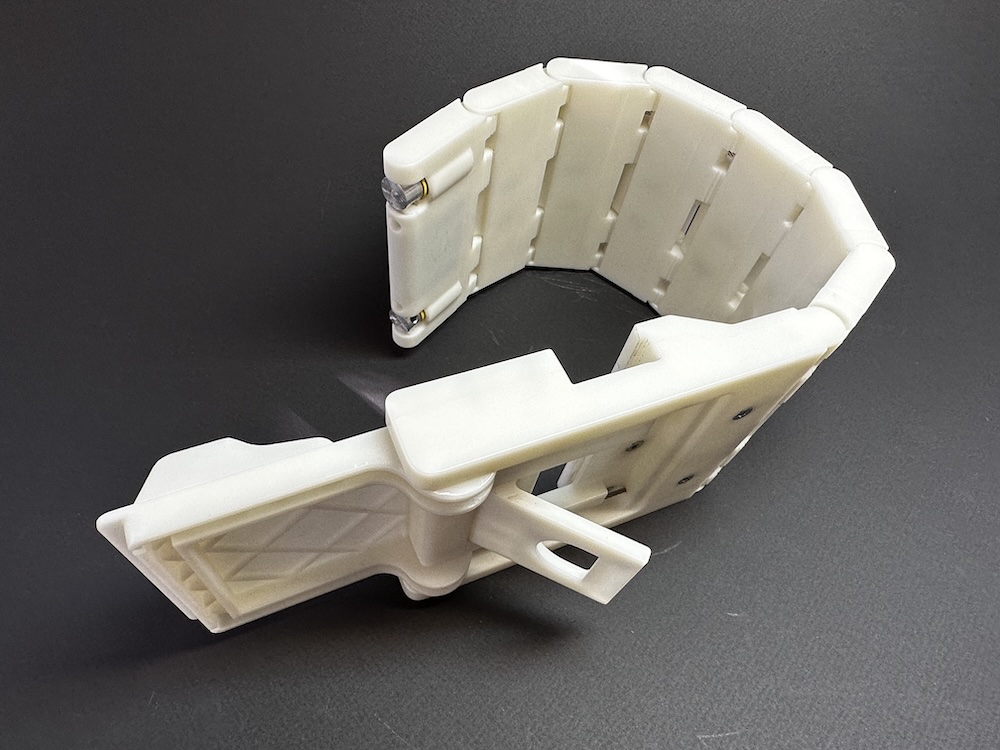
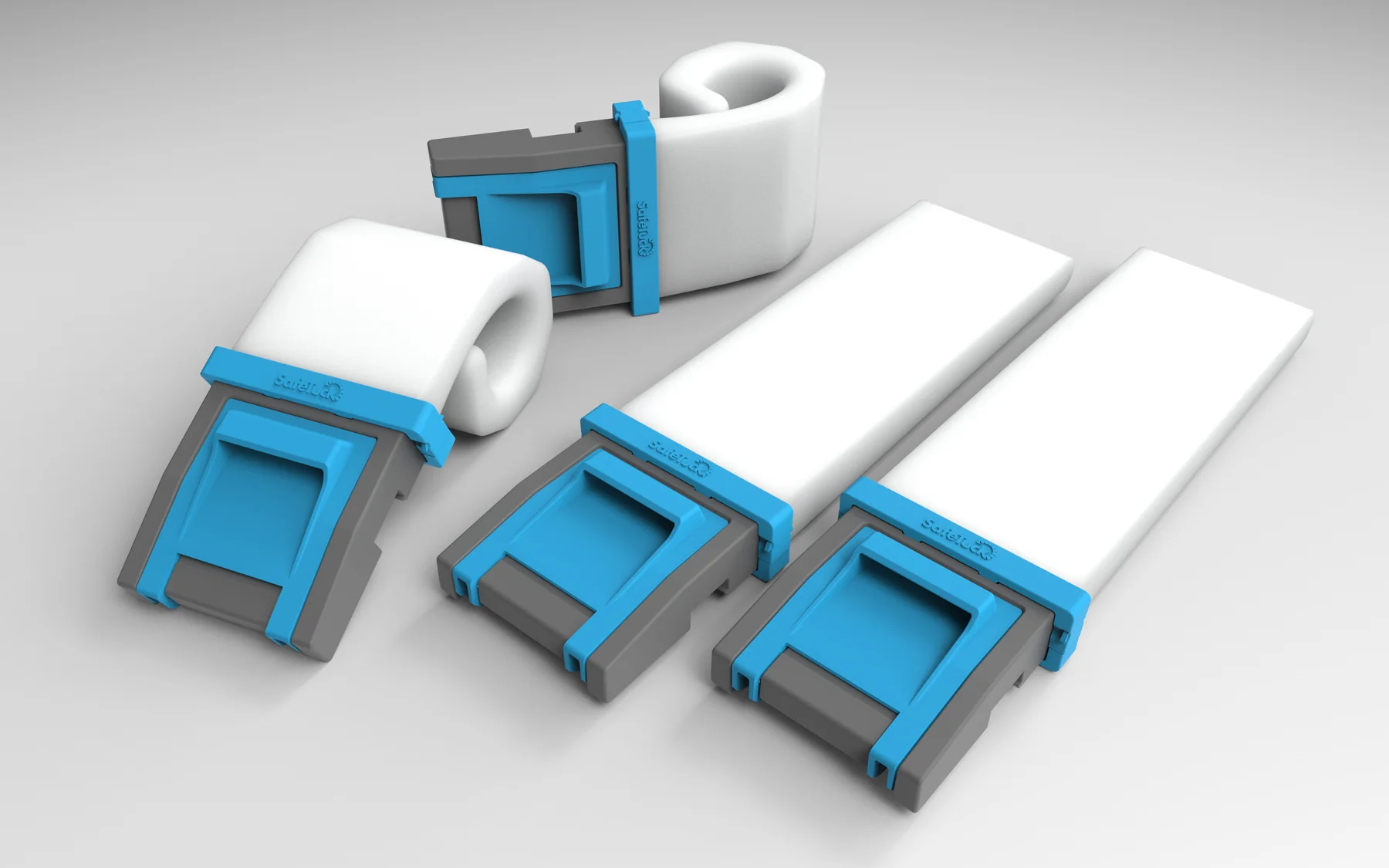
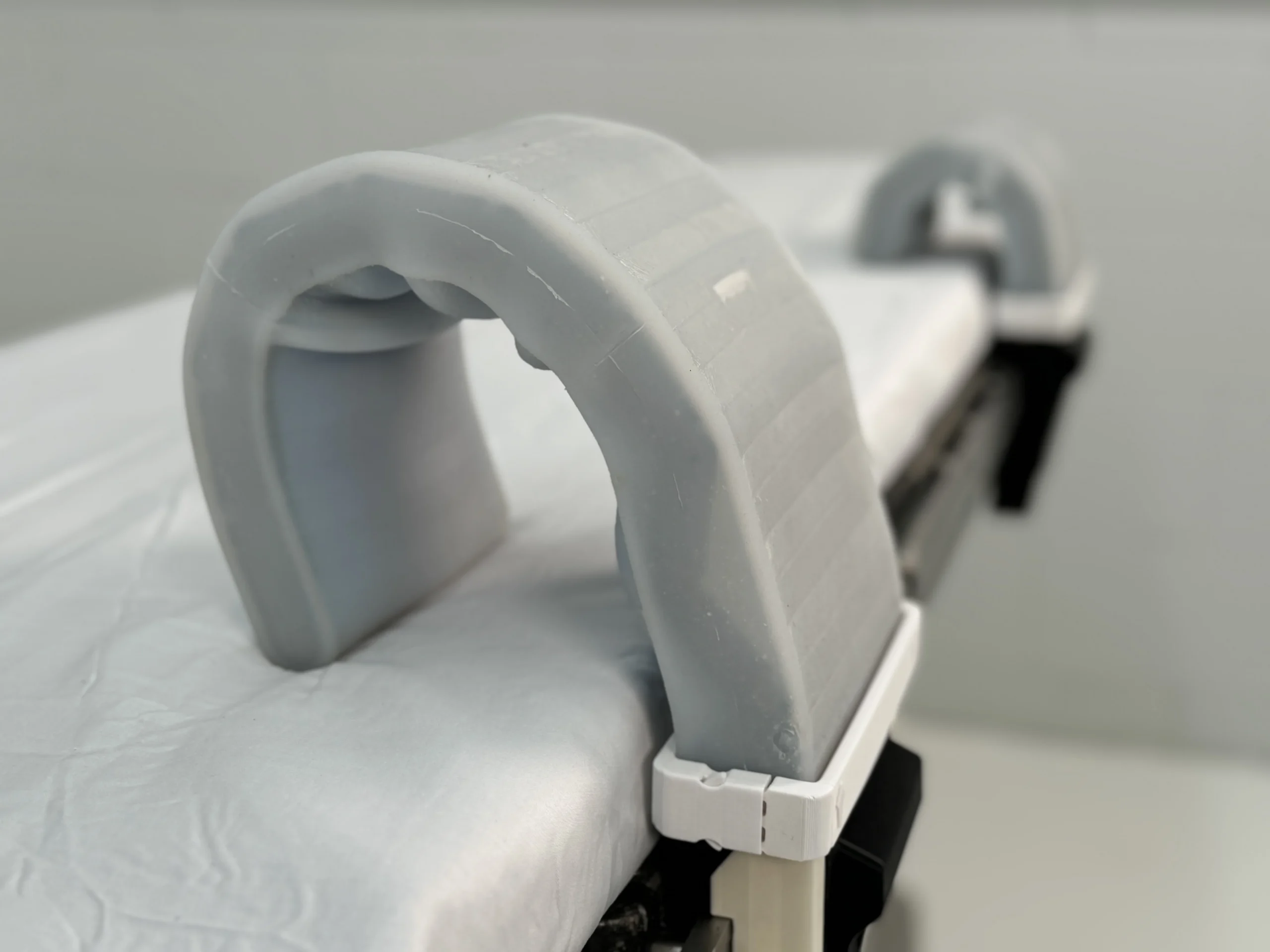
SafeTuck attaches directly to the operating room bed rail and utilizes a precision articulating linkage system that wraps around the patient’s limb and locks securely with an intuitive lever mechanism. The design enables rapid positioning while maintaining secure restraint.
Initial conceptual designs had been developed by Dr Volz, but the system required detailed mechanical engineering, articulation refinement, and production-ready design development.
Contributions
- Requirements & Architecture Definition
- Articulating Linkage Analysis & Design
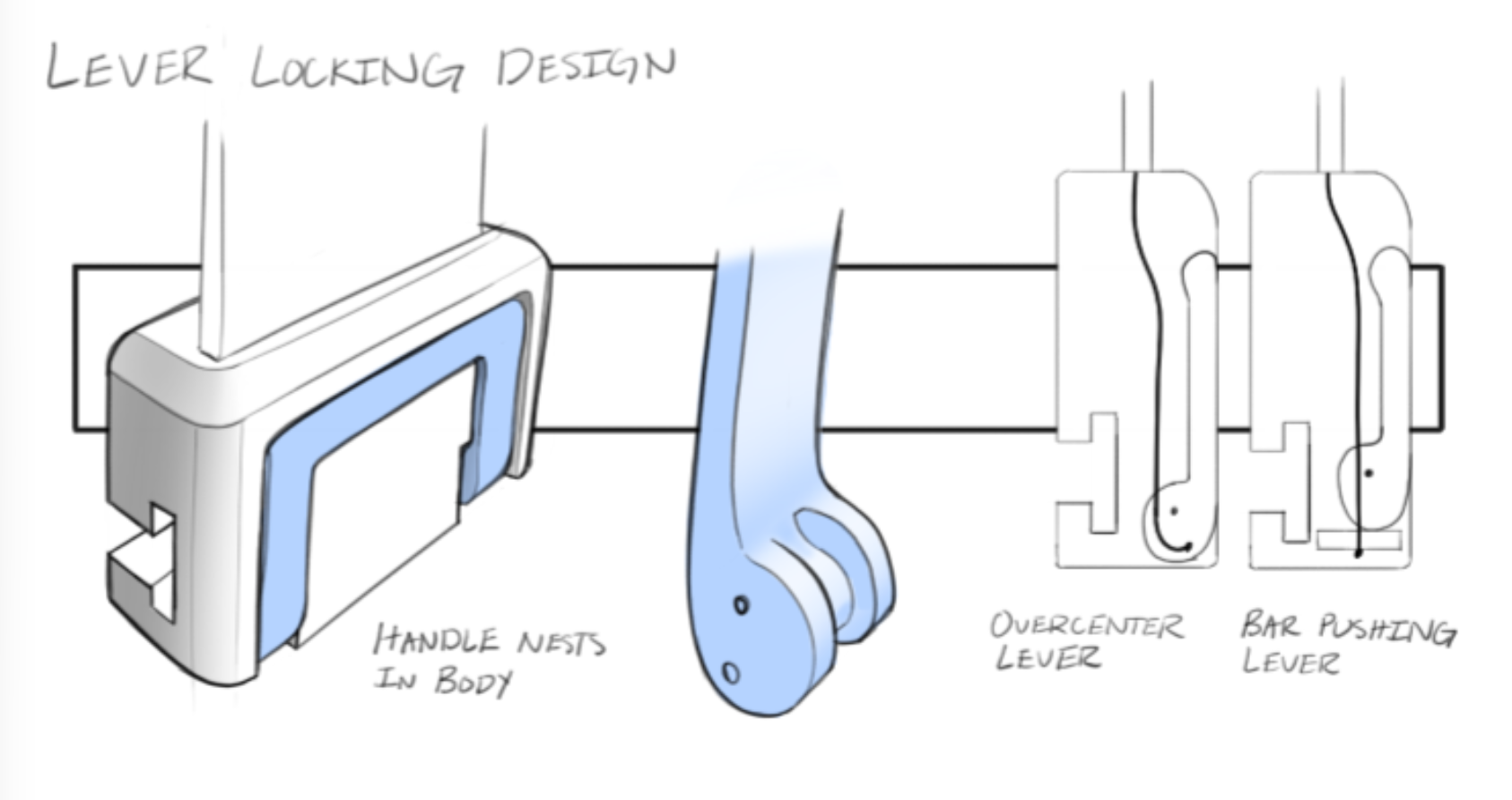
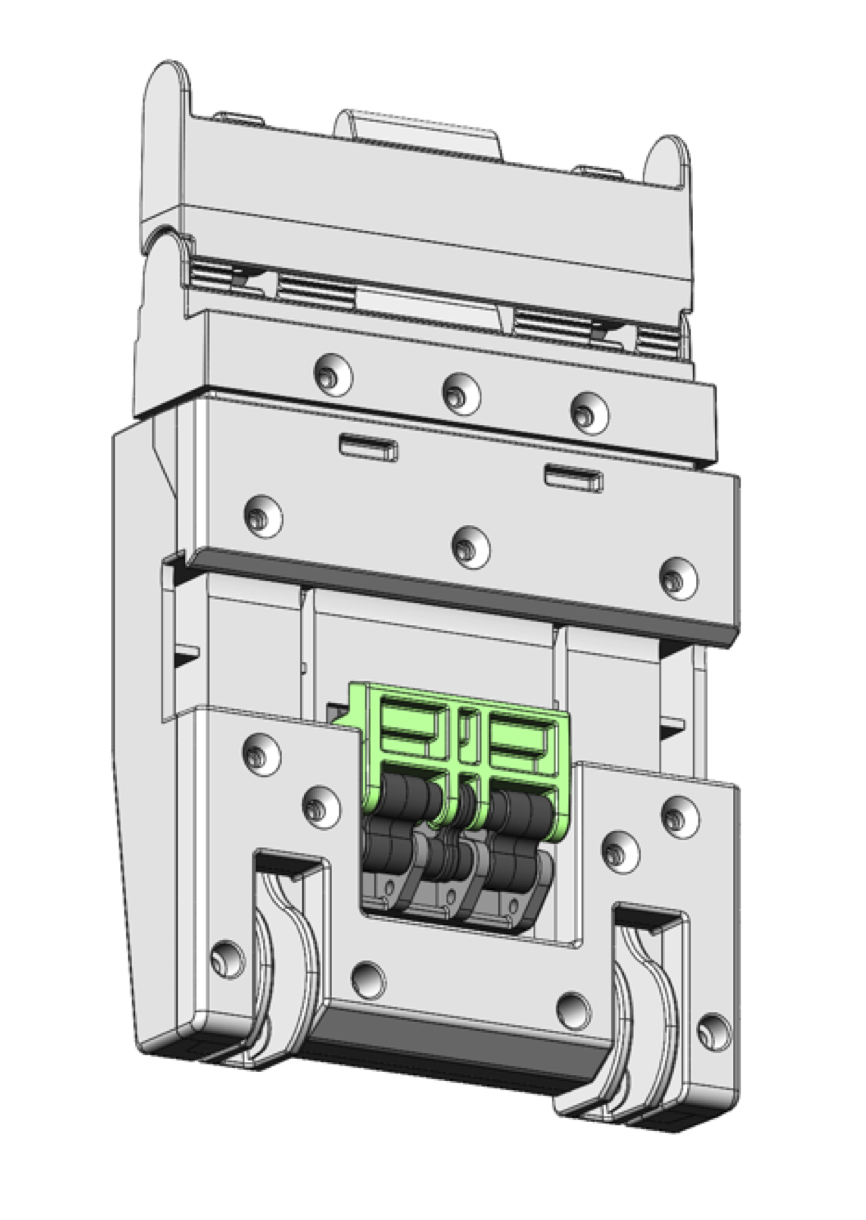
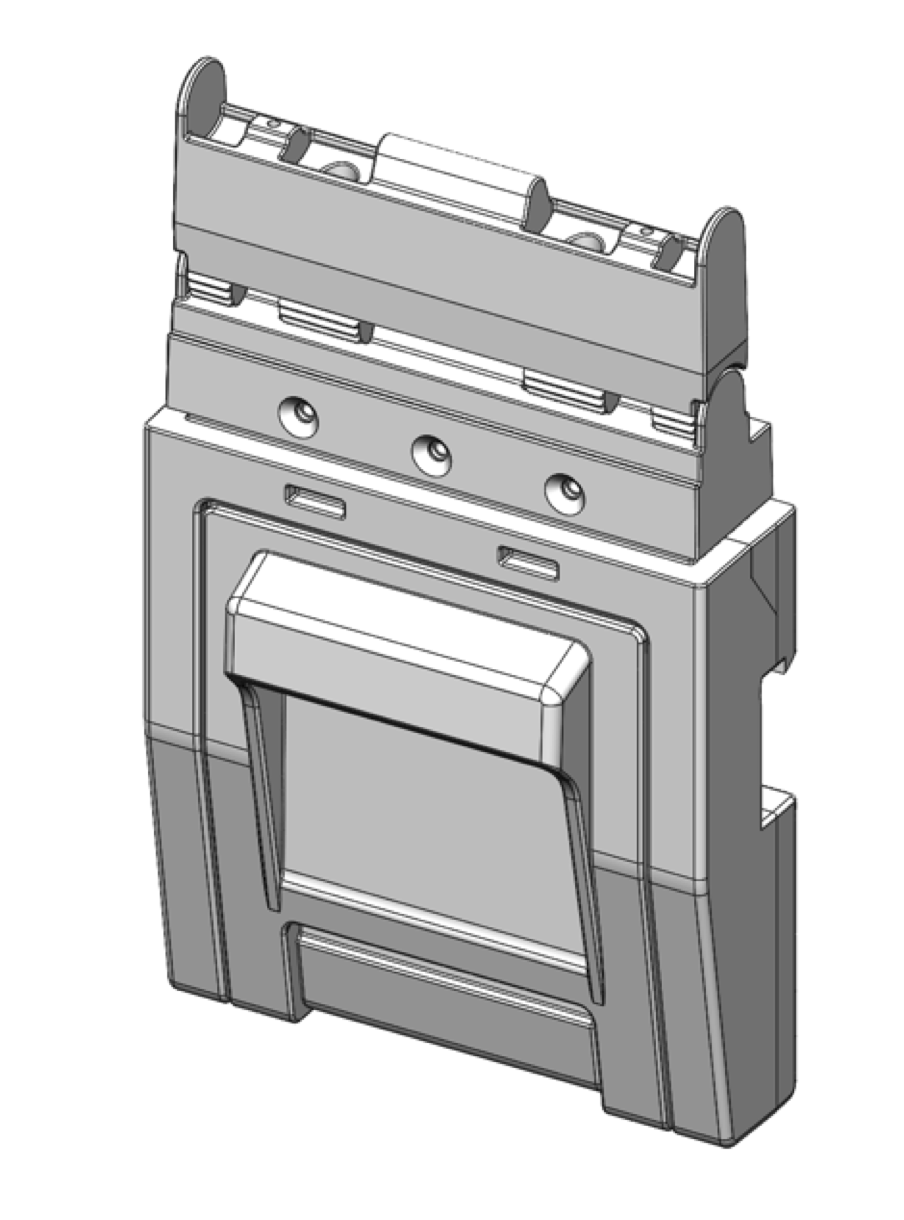
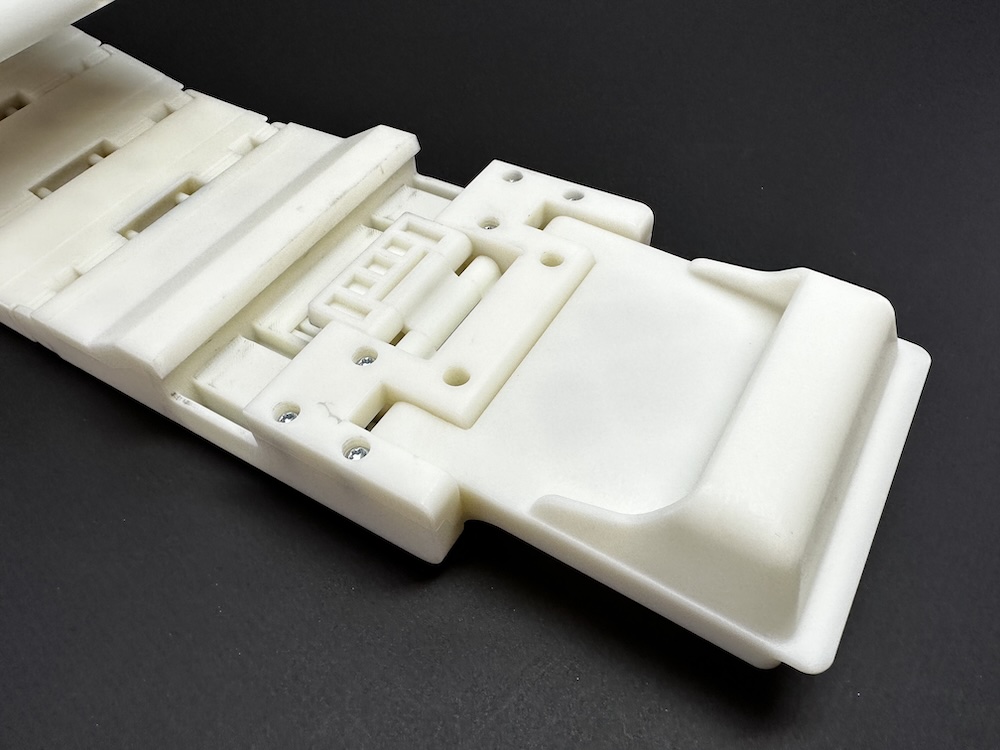
- Locking Mechanism Development
- Single-use Flexible Sleeve Development
- Prototyping & Iterative Refinement
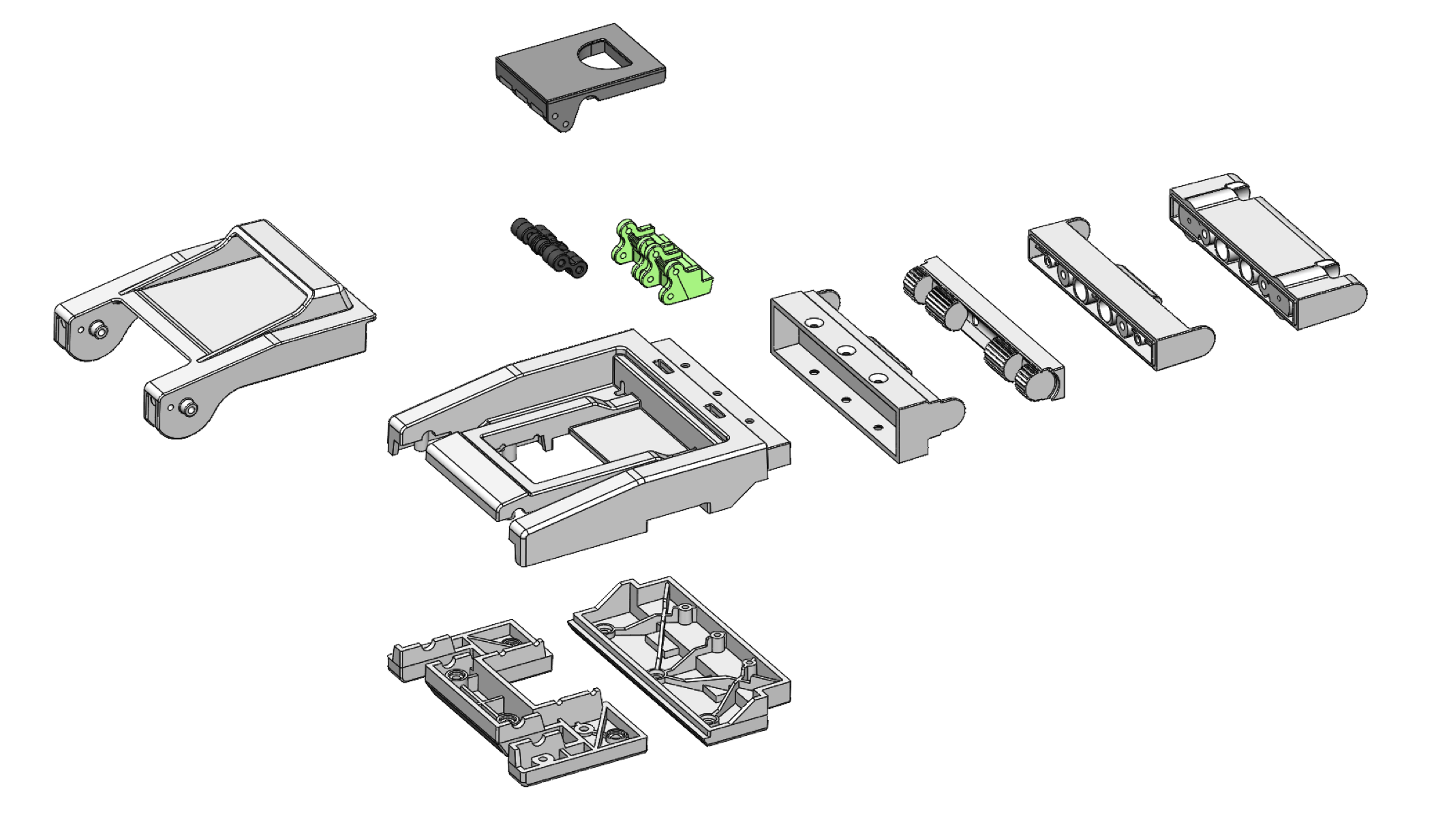
- Design for Manufacturing – Injection Molded Parts
Impact
SafeTuck evolved from a clinical insight into a refined, production-ready medical device engineered for reliability, ease of use, and manufacturing scalability. By combining surgeon-driven innovation with disciplined mechanical engineering and rapid iteration, the project delivered a practical solution that improves operating room efficiency while maintaining patient safety.
Engineering Approach
Our contributions focused on transforming the concept into a robust, production-ready medical device:
1. Requirements & Architecture Definition
We began by formalizing system-level requirements including:
- Load and retention performance targets
- Ergonomic actuation limits
- Patient size accommodation range
- Cleaning and sterility considerations
- Integration constraints with OR bed rail systems
A mechanical architecture was developed around a linkage-based restraint mechanism capable of controlled articulation and repeatable locking
2. Articulating Linkage & Locking Mechanism Development
Our team engineered a precision multi-link articulating system that:
- Wraps securely around the patient’s limb
- Maintains controlled geometry across a wide adjustment range
- Delivers stable clamping without excessive localized pressure
The locking mechanism was designed to provide:
- Positive mechanical engagement
- Clear tactile and visual feedback
- Repeatable locking force
- Ease of release for intraoperative access
3. Prototyping & Iterative Refinement
Quick-turn functional prototypes were fabricated to evaluate:
- Linkage kinematics
- Locking reliability and durability
- Ergonomic usability
- Structural stiffness under load
Successive prototype builds incorporated geometric refinements, improved manufacturability, and user feedback from simulated operating room evaluations.
Prototypes were tested to validate:
- Functional performance
- Repeatable engagement
- Ease of use under real-world conditions
4. Design for Manufacturing
As the design matured, DFM/DFA principles were integrated to support scalable production:
- Geometry optimized for injection molding
- Draft angles and tooling considerations incorporated early
- Part count minimized for simplified assembly
- High-volume material selection aligned with mechanical and sterilization requirements
A single-use silicone sleeve interface was designed to provide a sterile patient-contact surface while maintaining system compatibility.
The finalized design package was transferred to a GMP-compliant contract manufacturer to support regulated production
RESULTS
The final design package and functional prototypes were transferred to Dr Volz and a contract manufacturer to support production. This innovative time saving product is available for purchase from SafeTuck.
Related Projects
Cell Therapy Manufacturing Platform – Expansion
Package Delivery System
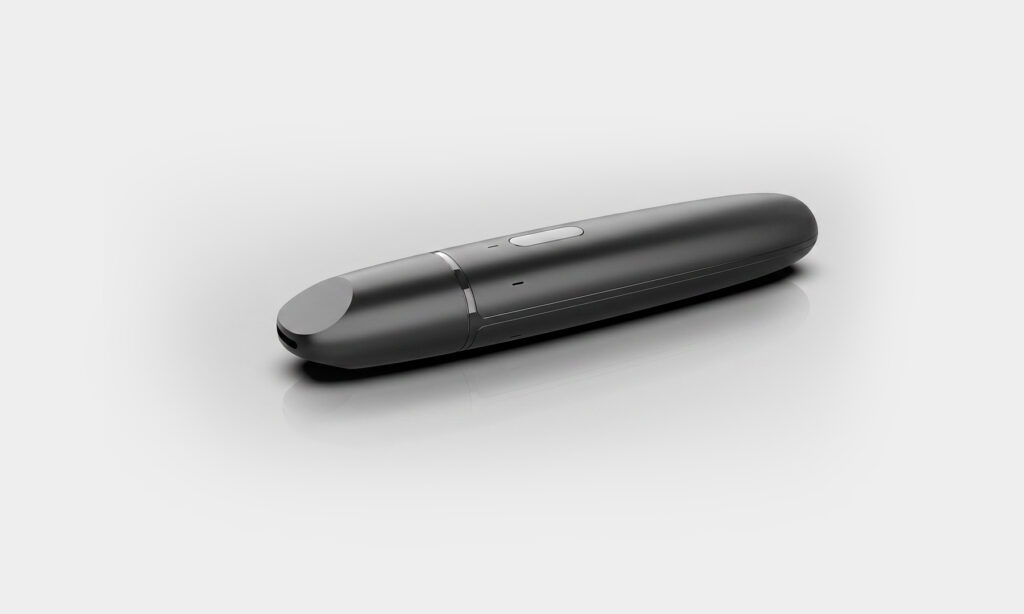
Premium Vaporizer
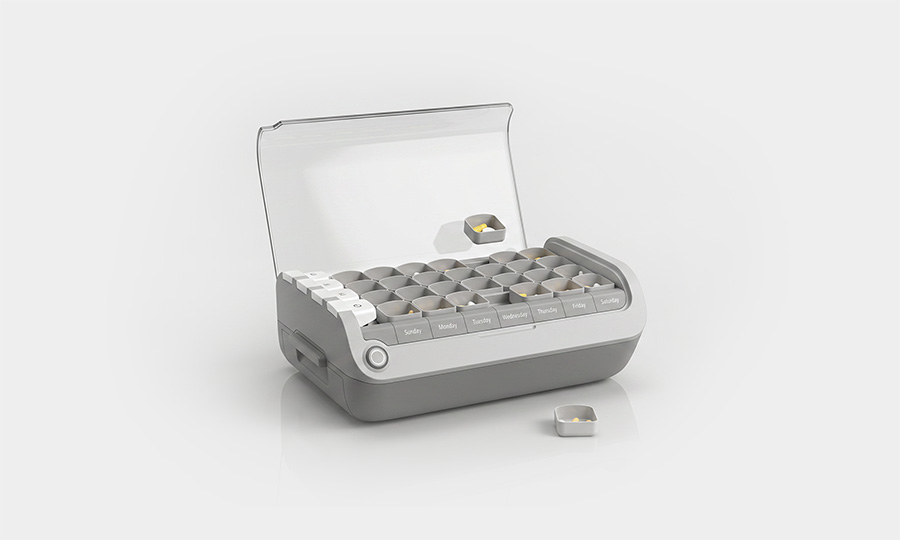
Connected Pill Management
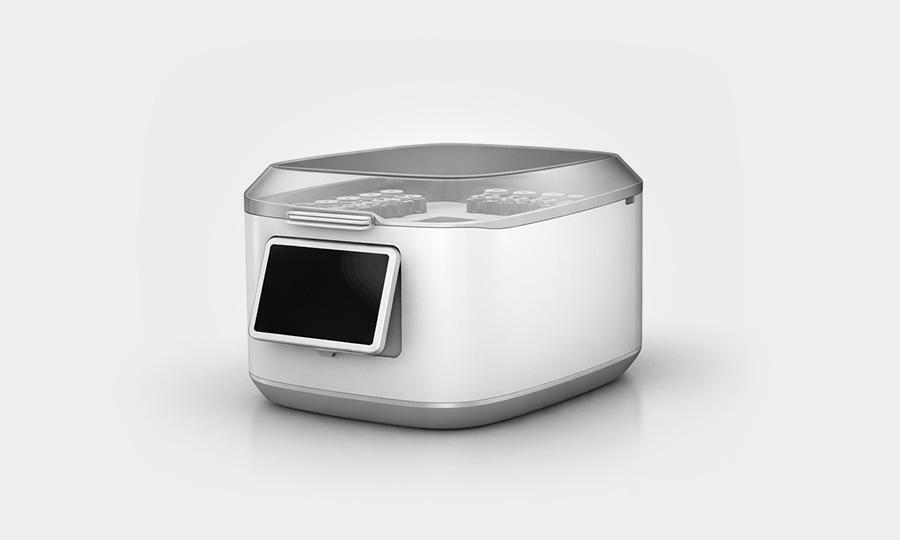
Automated Cell Therapy Manufacturing Platform