BD BIOSCIENCES
FACSseq™ Cell Sorter
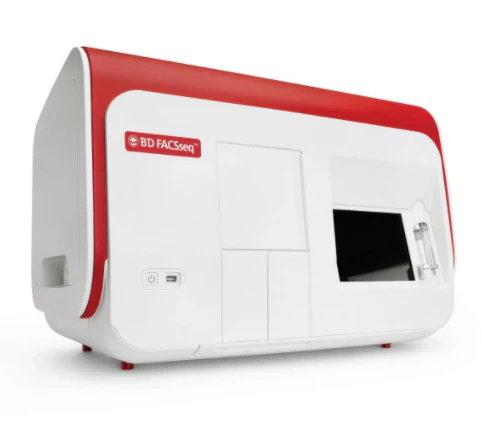
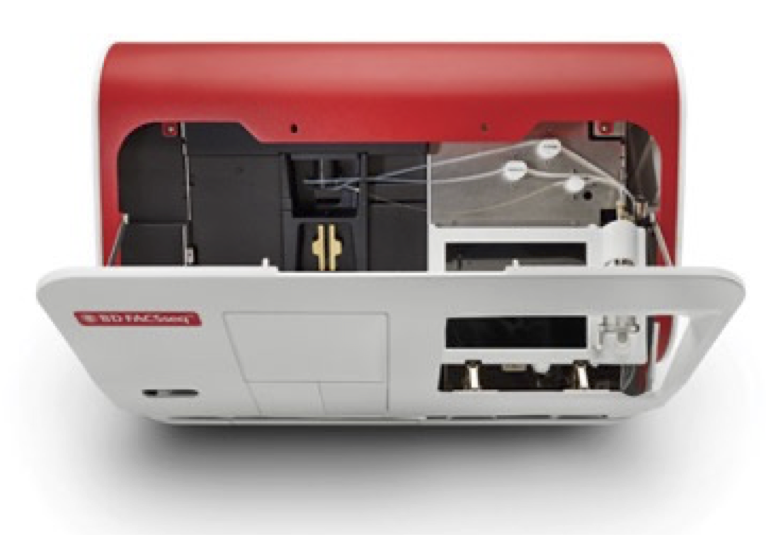
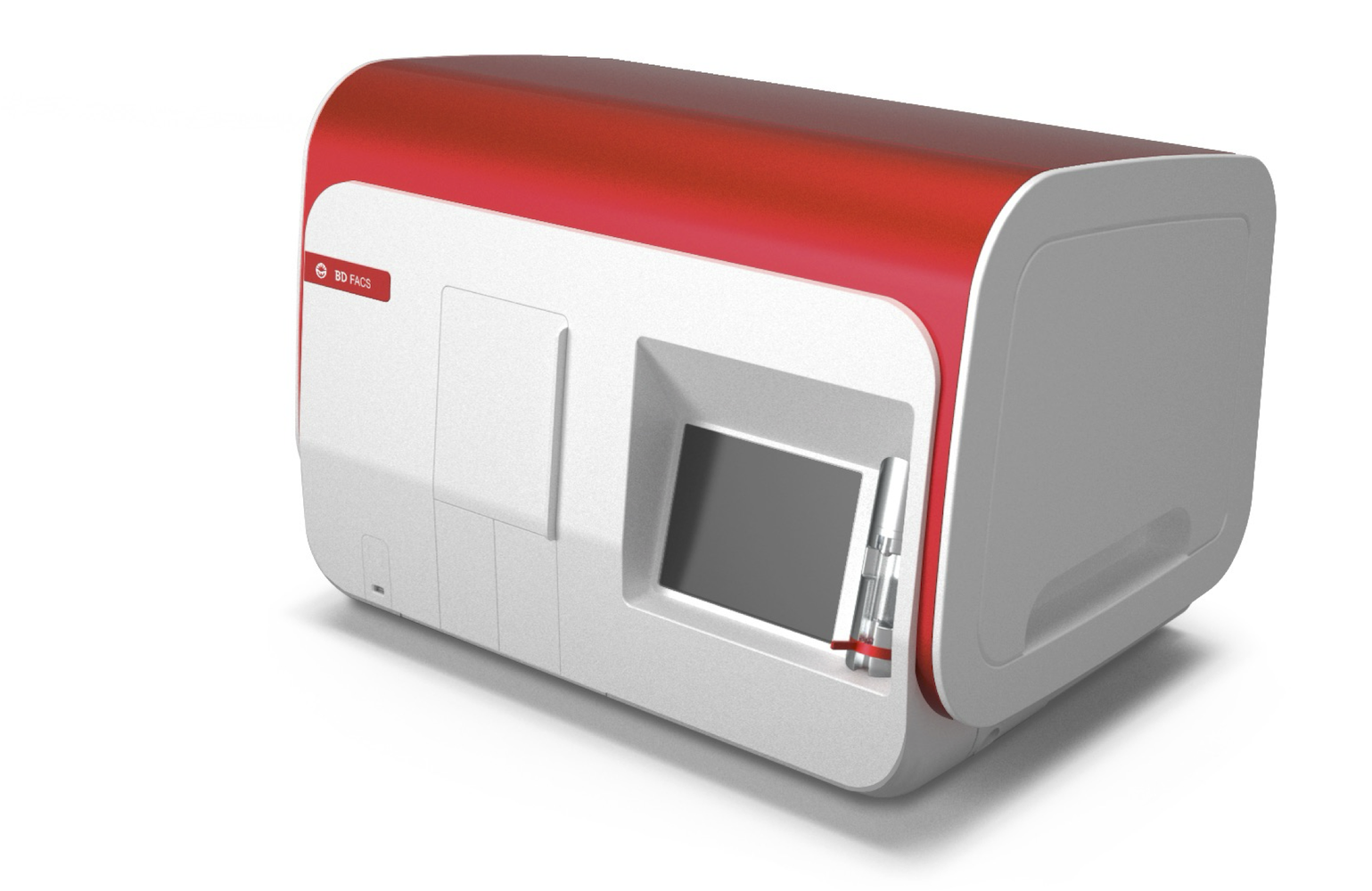
A next-generation cell sorting instrument designed to simplify complex workflows through automation and intuitive user interaction. Our team developed the industrial design and mechanical architecture to integrate fluidics, optics, and electronics into a production-ready laboratory platform.
Contributions
- User research, workflow analysis, and system requirements development
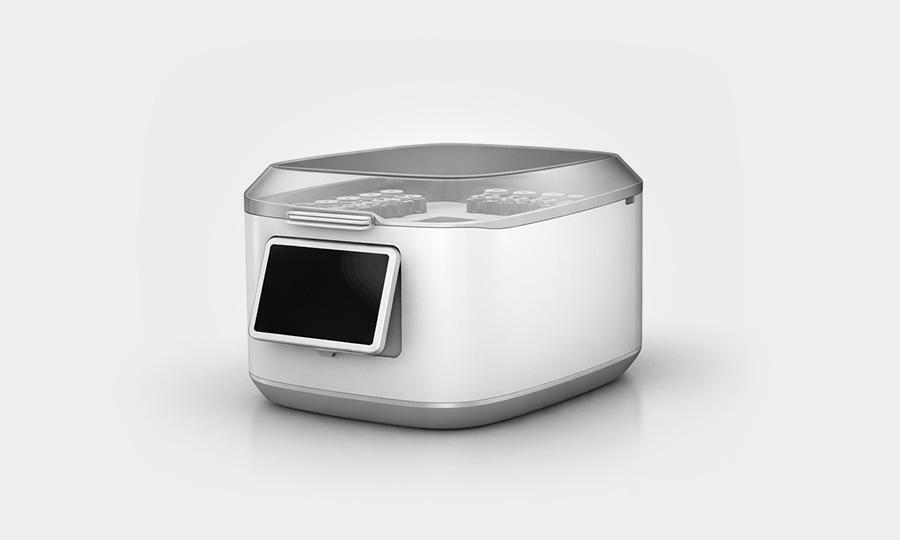
- Industrial design language, concept development, and form studies
- Mechanical design of enclosure, chassis, and subsystem integration
- Integration of fluidics, optics, and electronics within a compact system
- Design for manufacturability and serviceability
- Prototype development using production-representative processes
- Support for manufacturing transfer and prototype builds
Impact
Delivered a fully integrated instrument platform that simplifies operation, improves usability, and enables scalable manufacturing for advanced cell analysis applications.
TAGS
INDUSTRIAL DESIGN
MECHANICAL ENGINEERING
PROJECT MANAGEMENT
TOOLS
SolidWorks
Rhino
Design Objectives
The instrument needed to:
- Touchscreen operation. Dramatically simplify setup and operation
- Reduce the intimidation factor of traditional cytometry equipment
- Support automated 10-minute alignment (laser, stream, collection vessels)
- Enable remote operation via wireless devices
- Provide flexible isolation into 96- and 384-well plates
- Scale throughput to thousands of single cells
At the same time, the hardware platform had to integrate complex subsystems:
- Optics
- Fluidics
- Electronics
- Automated droplet control
- Collection mechanisms
All within a cohesive, serviceable enclosure architecture.
Engineering & Design Approach
1. User Workflow & Industrial Design Strategy
We began by working closely with the client team to understand:
- Laboratory workflows
- Researcher touchpoints
- Maintenance and cartridge exchange procedures
- Setup and calibration routines
From this, we developed a comprehensive industrial design language aligned with the product’s goals of approachability and precision.
Deliverables included:
- Use-case and workflow documentation
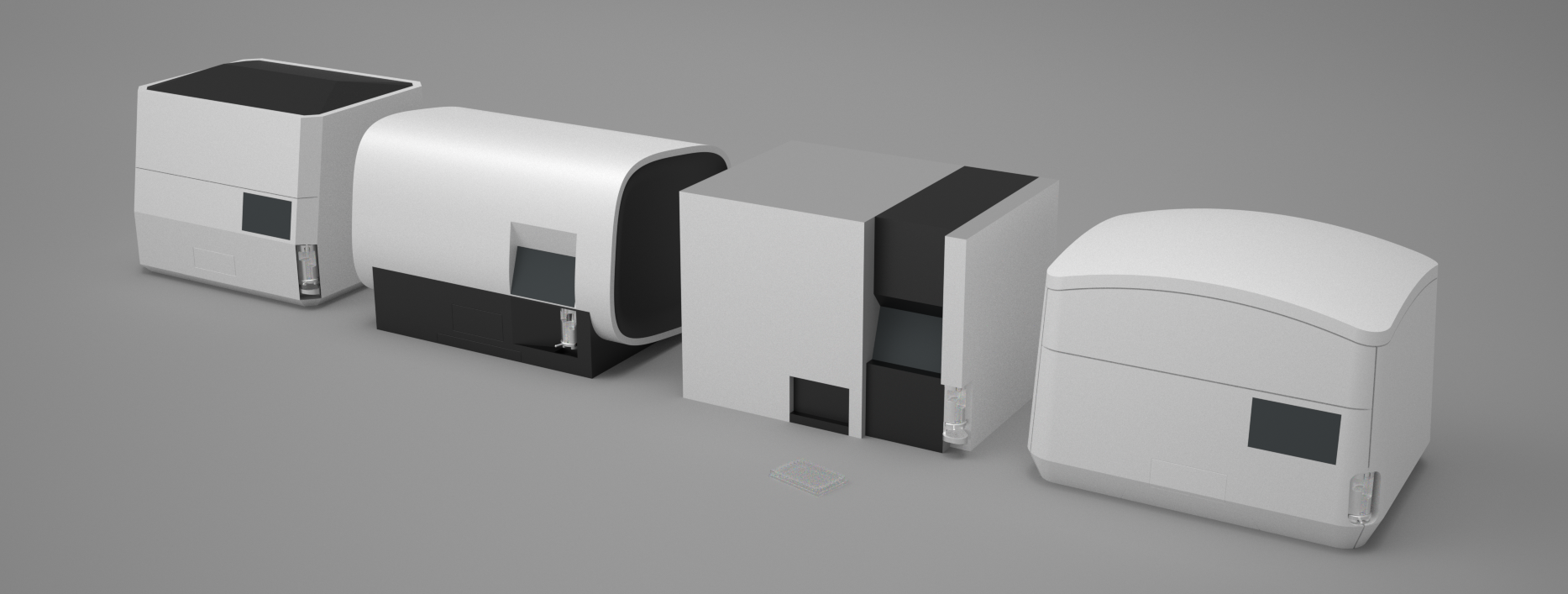
- Design studies and form exploration
- Concept renders and physical form prototypes
- Evaluation of multiple physical architecture directions
A preferred concept direction was selected and refined to align aesthetics, ergonomics, and subsystem integration.
2. Custom Enclosure Design
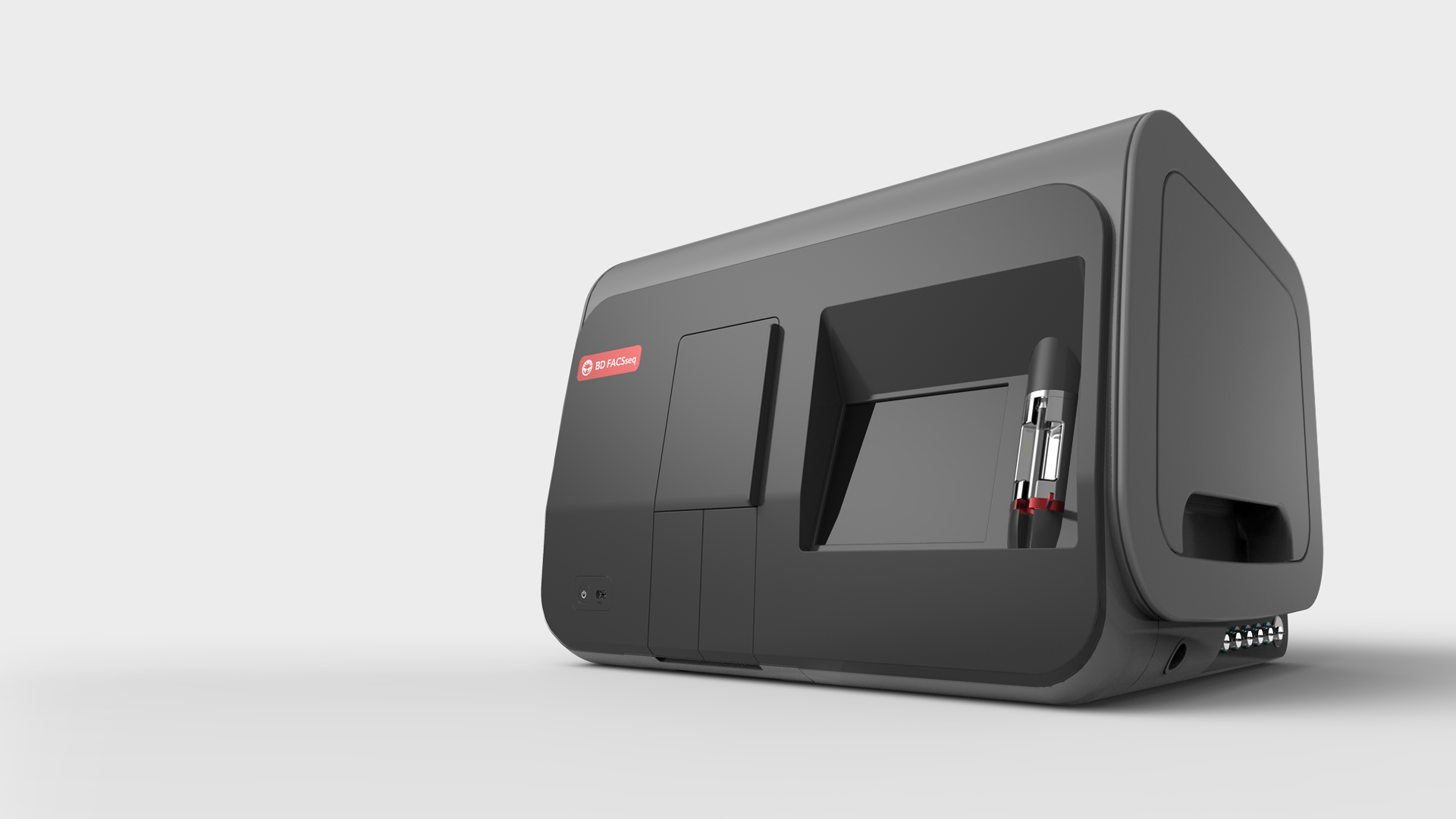
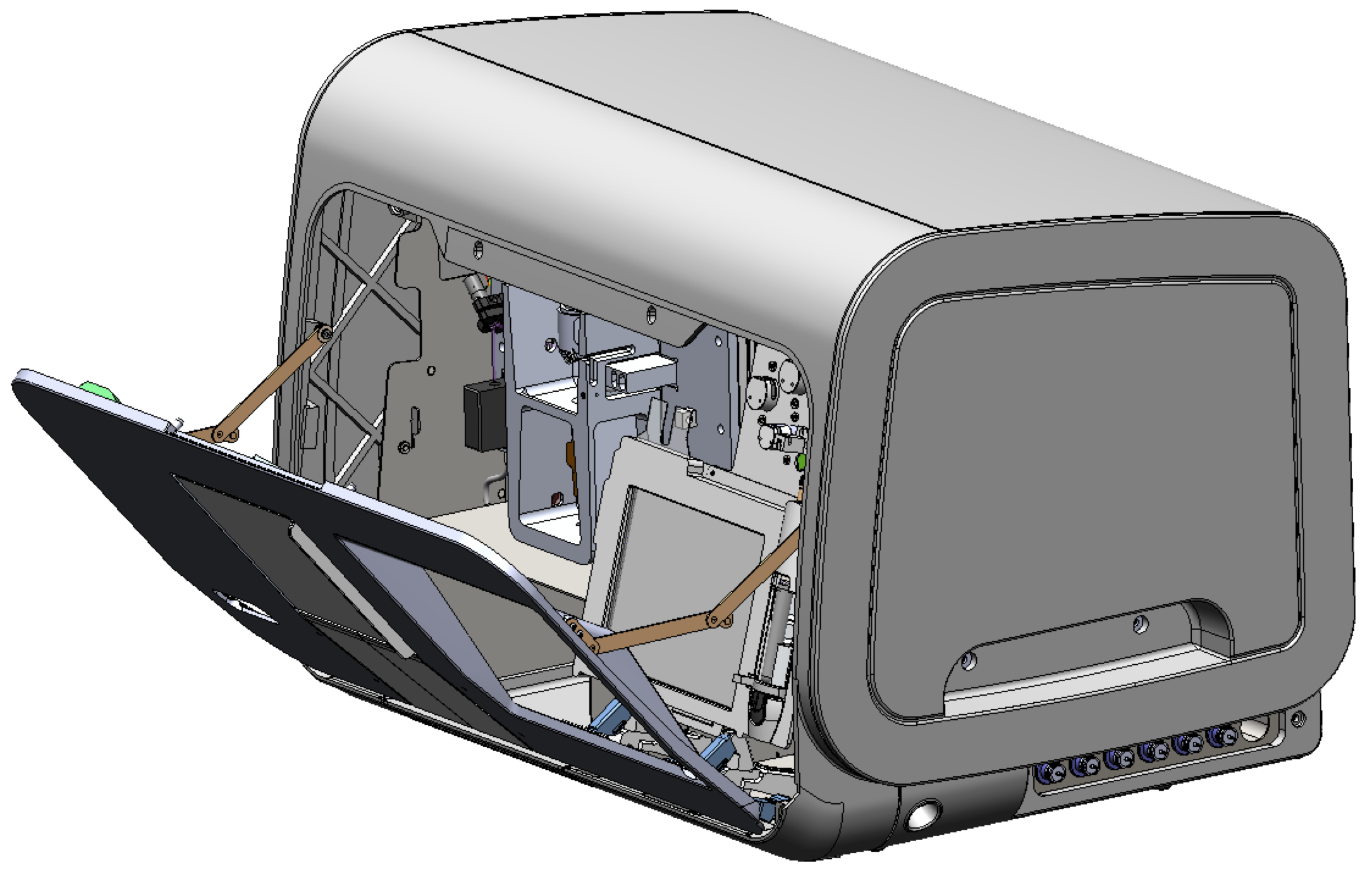
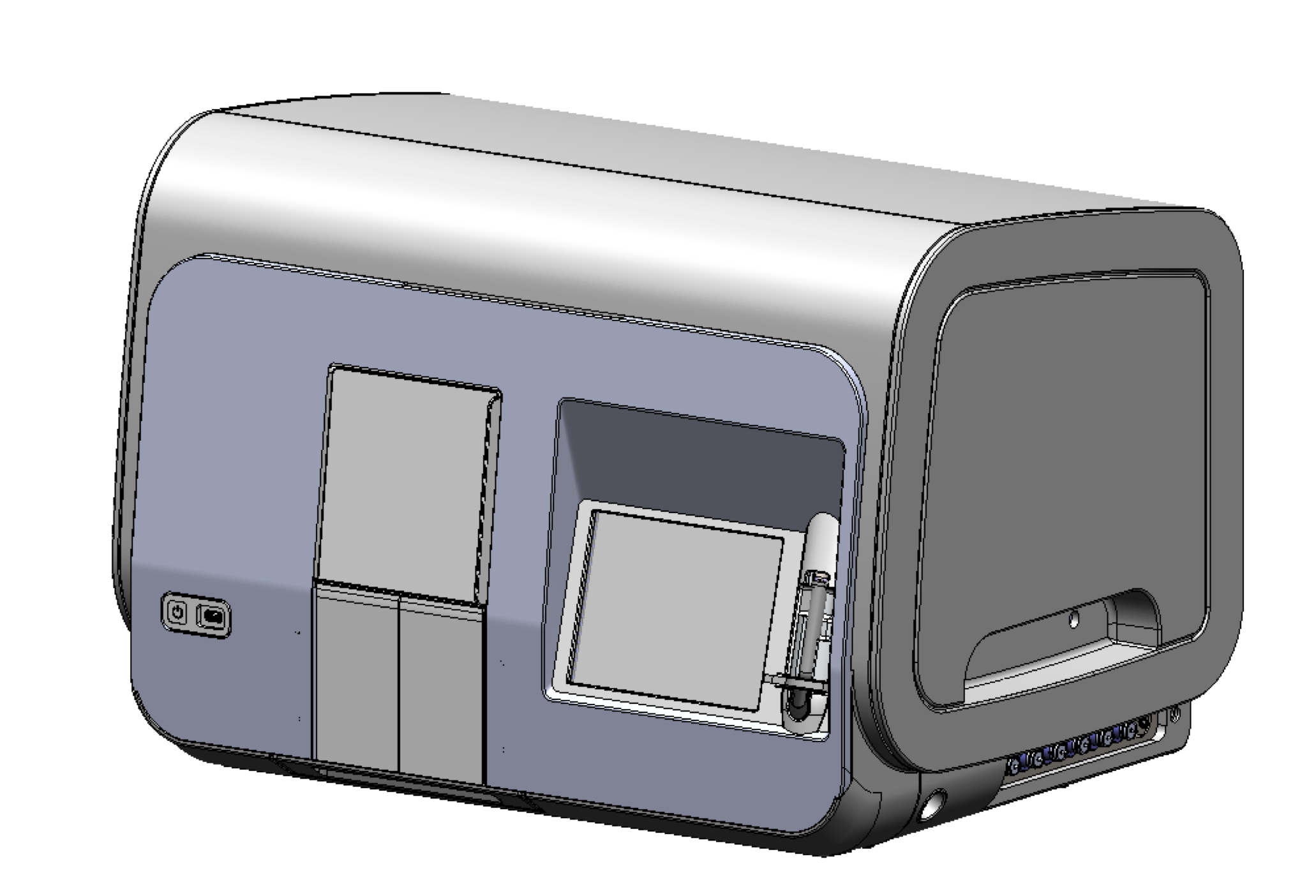
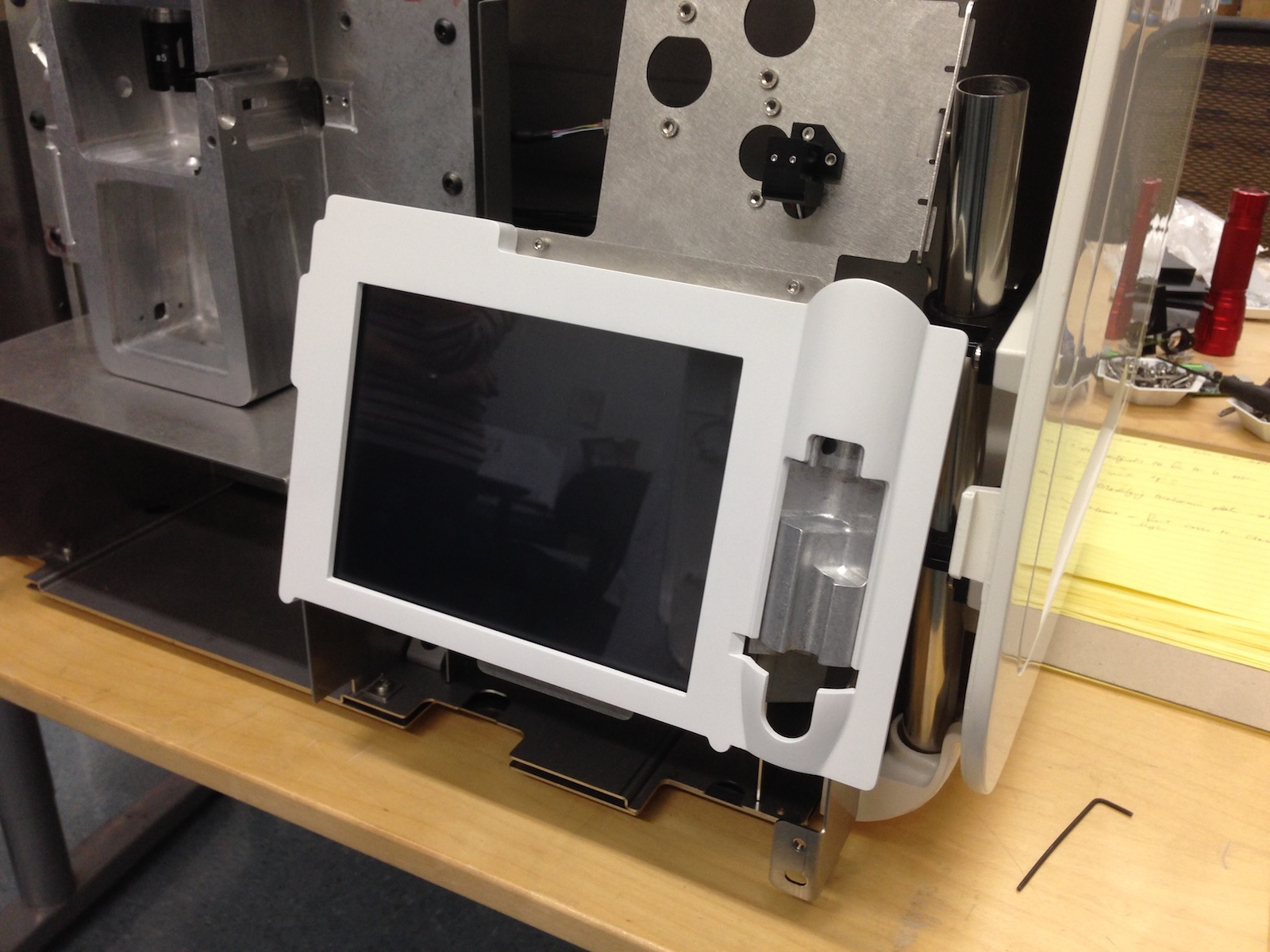
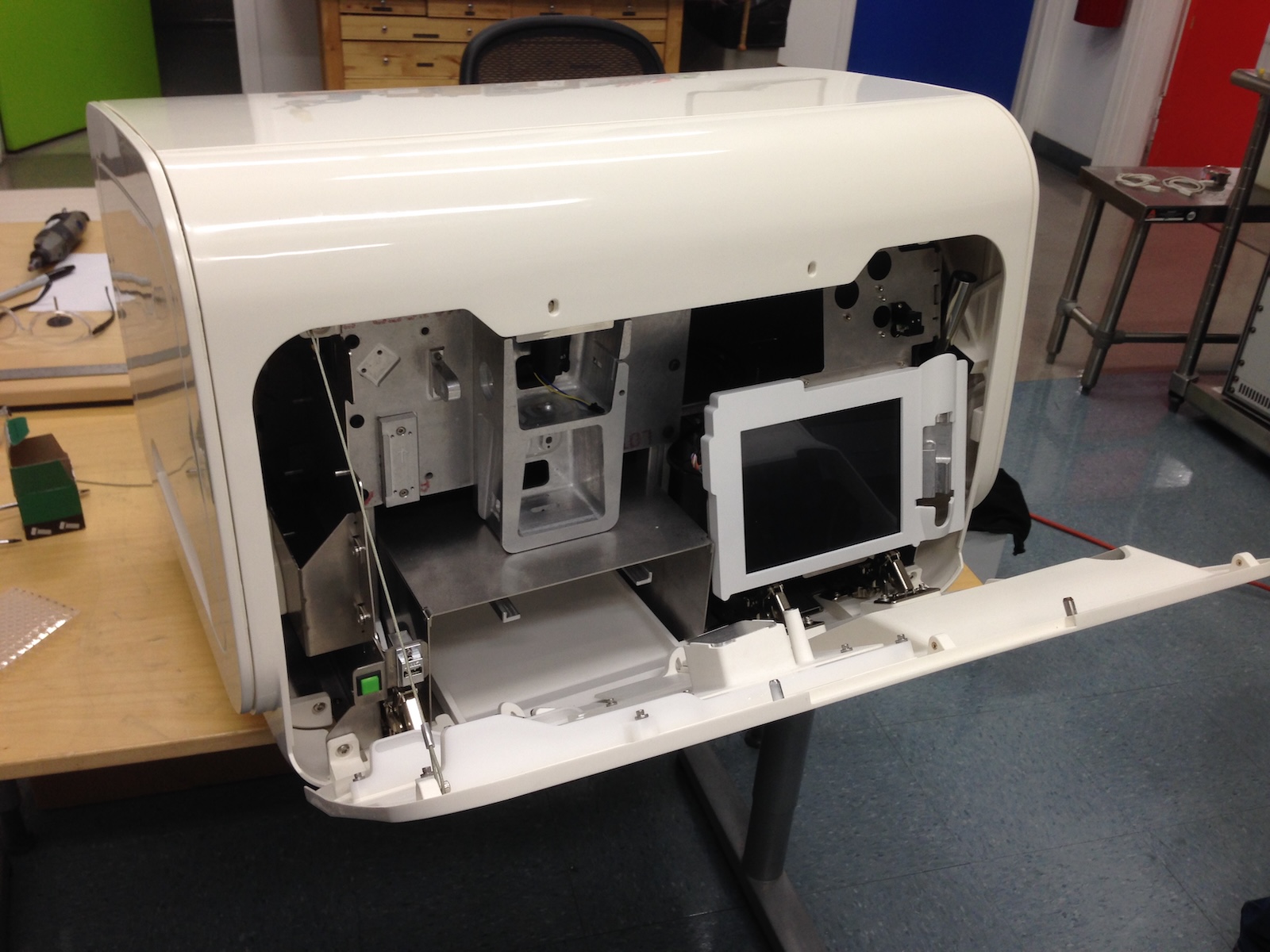
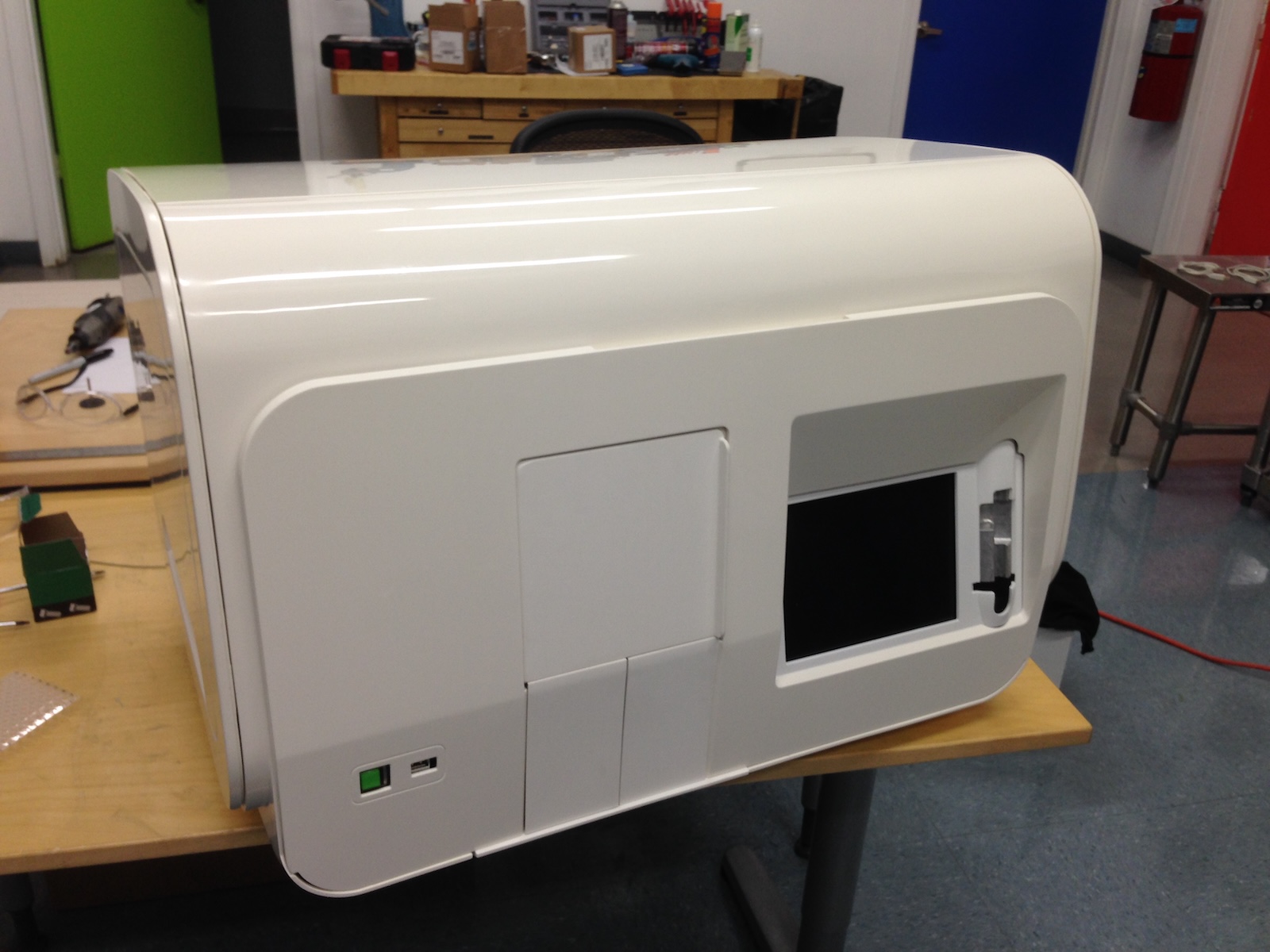
We engineered a production-ready enclosure that balanced visual clarity with functional accessibility.
Key features included:
- Integrated touchscreen display
- Intuitive access doors for samples and support components
- Easy-access vial-holding fixture
- Clearly defined user touchpoints and interaction zones
- Autonomous mechanisms supporting the sample tray
The enclosure architecture supported both daily operation and service access without exposing unnecessary subsystem complexity to the end user.
The enclosure was designed for manufacturability using Reaction Injection Molding (RIM) processes, ensuring production scalability and surface quality.
3. Mechanical Architecture & Chassis Design
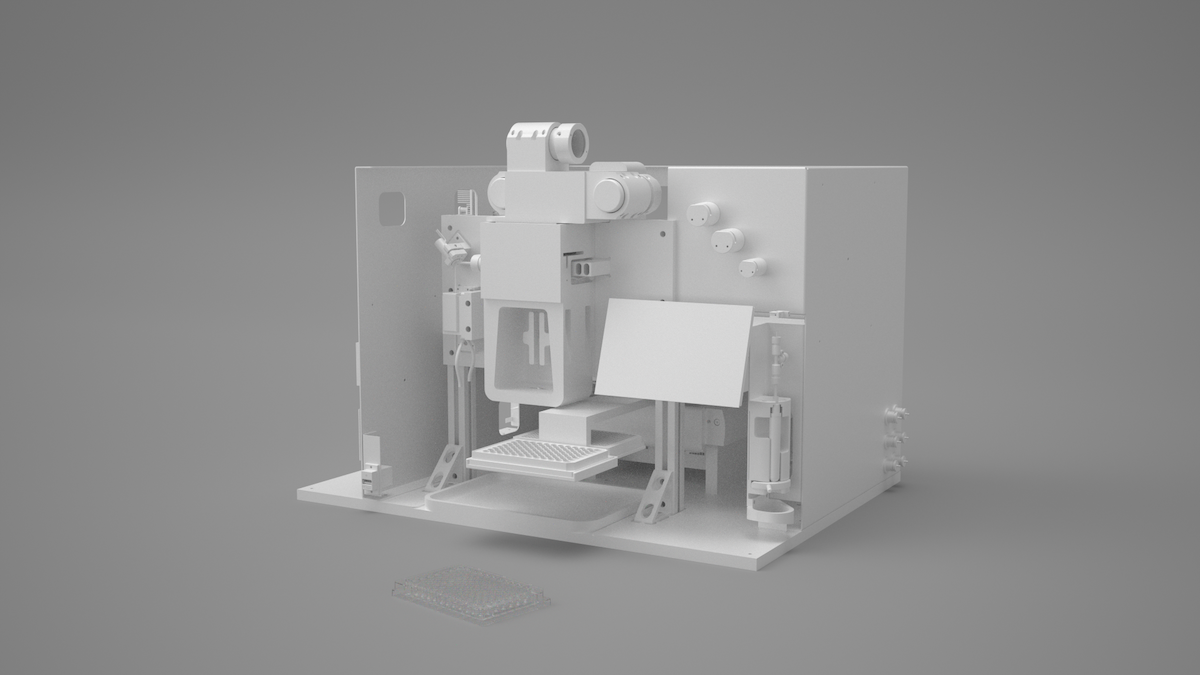
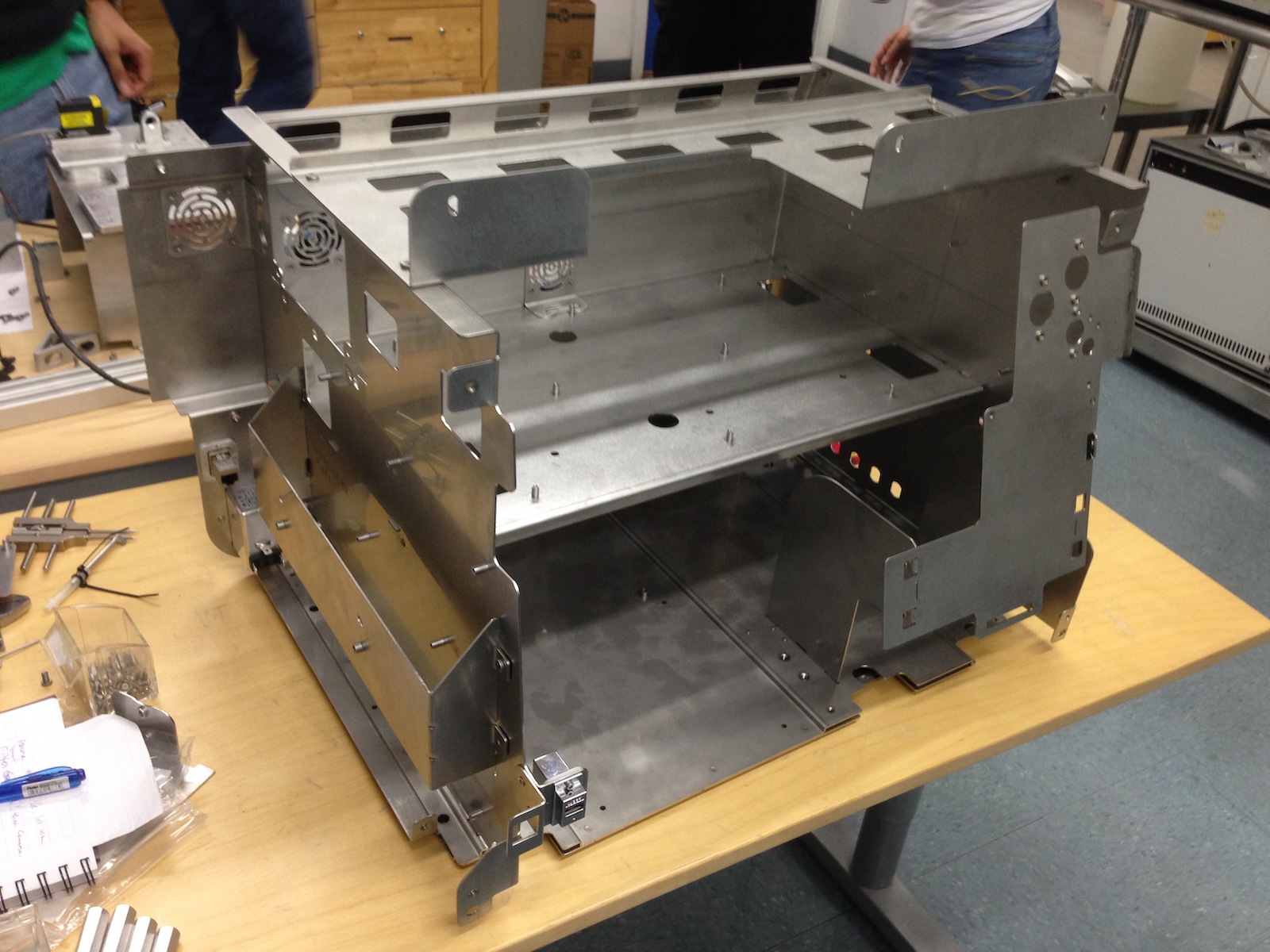
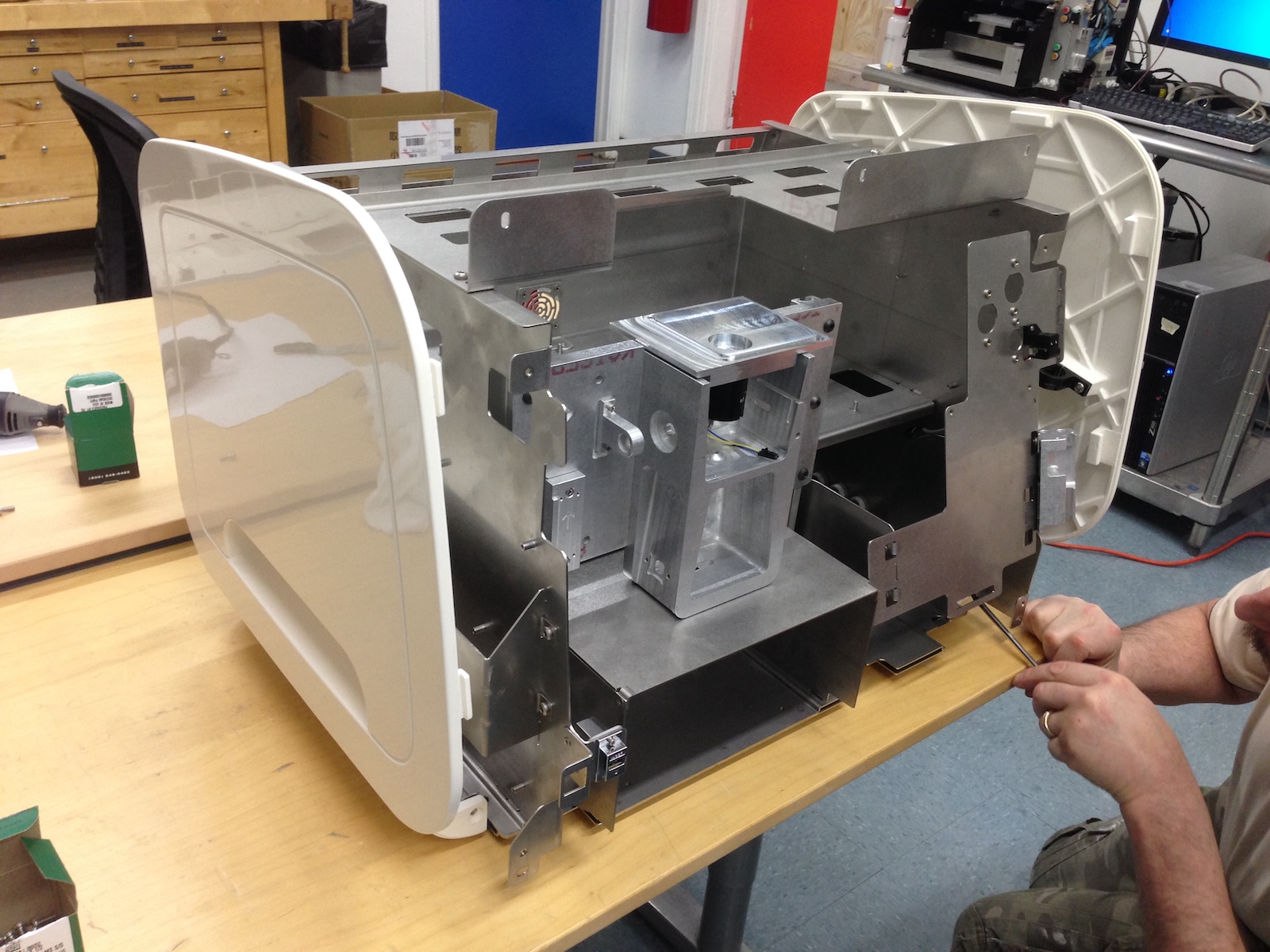
Behind the refined exterior, we developed a robust sheet metal frame chassis engineered to:
- Integrate optics, fluidics, and electronics subsystems
- Maintain precise alignment of laser and detection systems
- Support cartridge interfaces and supporting equipment
- Enable efficient assembly sequencing
- Facilitate service access and maintenance
Structural rigidity and subsystem alignment were critical considerations.
4. Subsystem Integration Strategy
The system required careful integration of:
- Optical pathways
- Fluidic routing
- Electronic control modules
- User interface hardware
- Automated droplet monitoring mechanisms
The final architecture supported both instrument performance and long-term reliability.
5. Prototyping & Production Process Validation
Multiple fully functional prototypes were built using production-intent processes to validate:
- User interaction and workflow clarity
- Assembly sequencing
- Subsystem integration tolerances
- Structural integrity
- Service access
Early builds utilized:
- RIM enclosure components
- Formed sheet metal chassis elements
These builds allowed refinement prior to full manufacturing transfer.
6. Design for Manufacturing & Serviceability
DFM and DFA principles were embedded throughout the design process:
- Reduced fastener count
- Modular subsystem mounting
- Accessible service panels
- Production-ready documentation
- Tolerance stack analysis
The design supported both initial manufacturing ramp and long-term field service requirements.
RESULTS
The result is a clean, approachable instrument architecture that balances precision subsystem integration with simplified user interaction. Demonstrating our capability in advanced scientific instrumentation, mechanical system integration, and production-ready hardware development.
Related Projects
Cell Therapy Manufacturing Platform – Expansion
Package Delivery System
Premium Vaporizer
Surgical Restraint System
Connected Pill Management