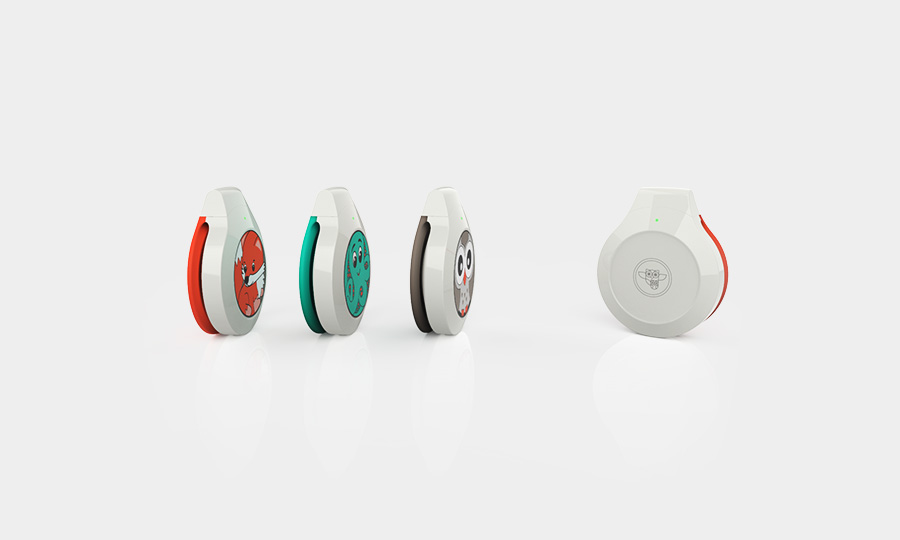
Xena Medical Technologies
Connected Pill Management System
Automated Medication Adherence Platform
Medication adherence is a persistent challenge. There are complex dosing schedules, multiple prescriptions, and inconsistent routines often lead to missed or incorrect doses, impacting patient outcomes.
We partnered with Xena Medical Technologies to develop a connected pill management and dispensing platform designed to simplify medication routines through automation, intuitive interaction, and cloud connectivity. Our work focused on creating a functional proof-of-concept prototype systems that demonstrates the feasibility of a novel dispensing architecture and establishes a foundation for a future production-ready product.
The platform was designed to transform medication management into a simple, guided, and reliable experience.
Key objectives included:
- Automating medication dispensing at the correct time and dosage
- Reducing cognitive load for patients and caregivers
- Providing connectivity to mobile and cloud-based applications
- Supporting user-friendly interaction and clear feedback
- Establishing a scalable architecture for future commercialization
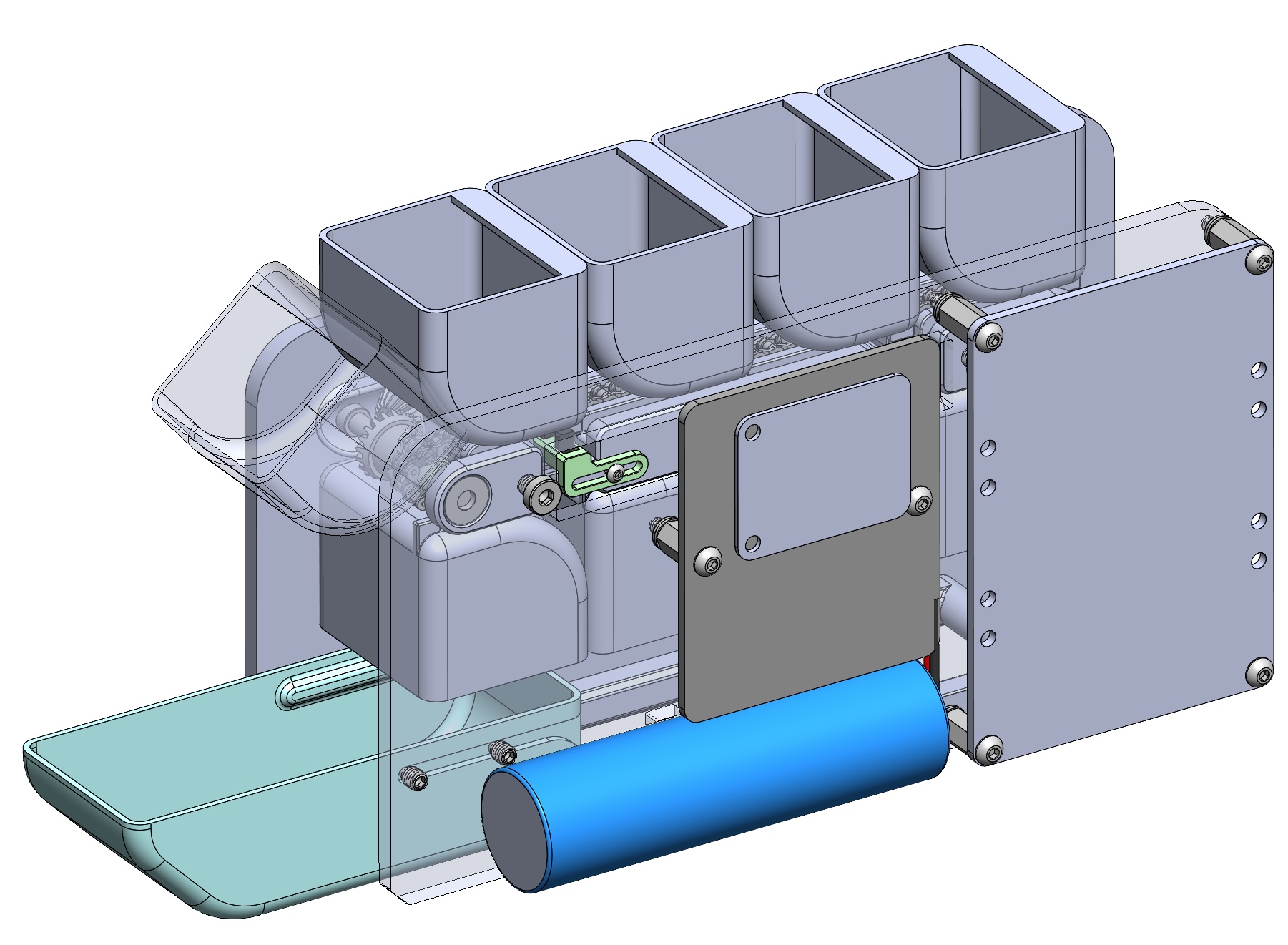
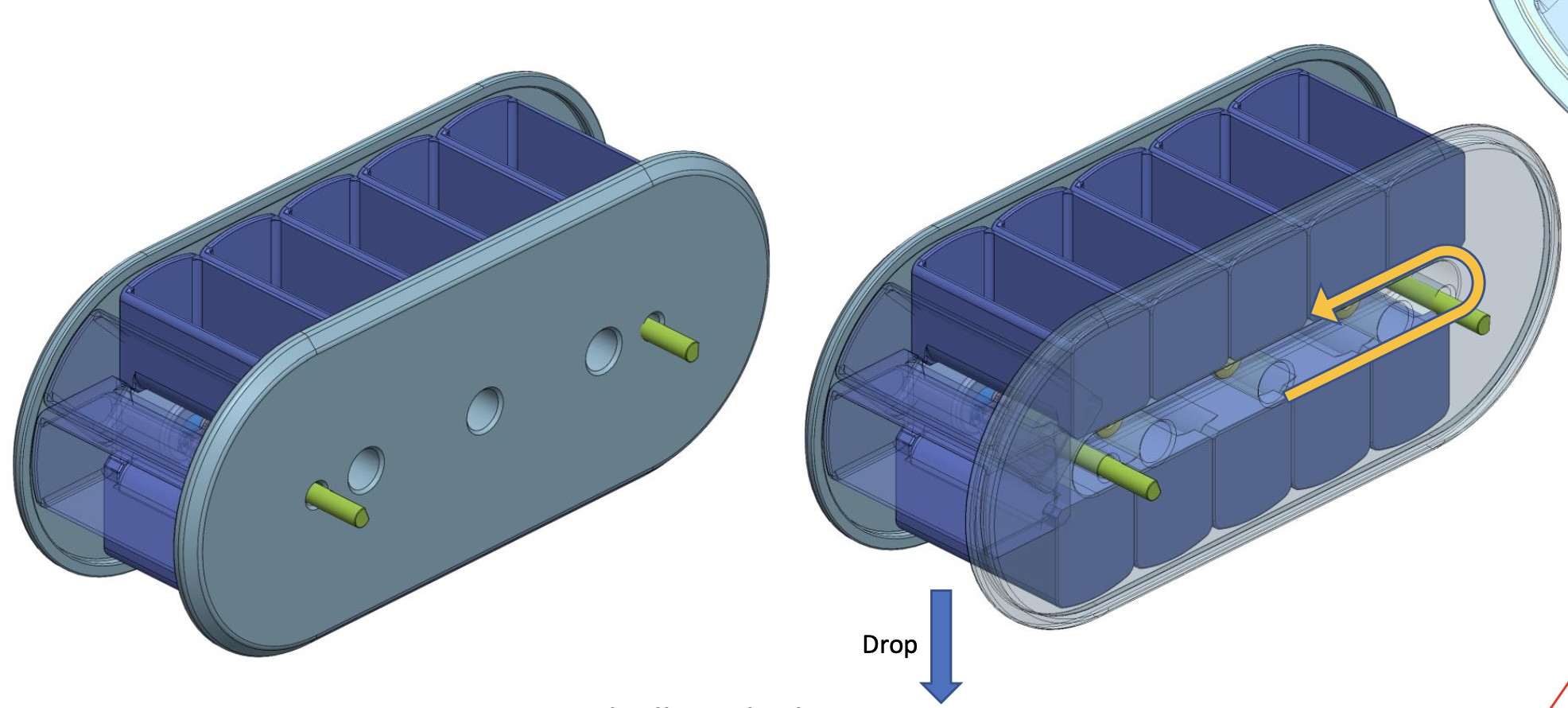
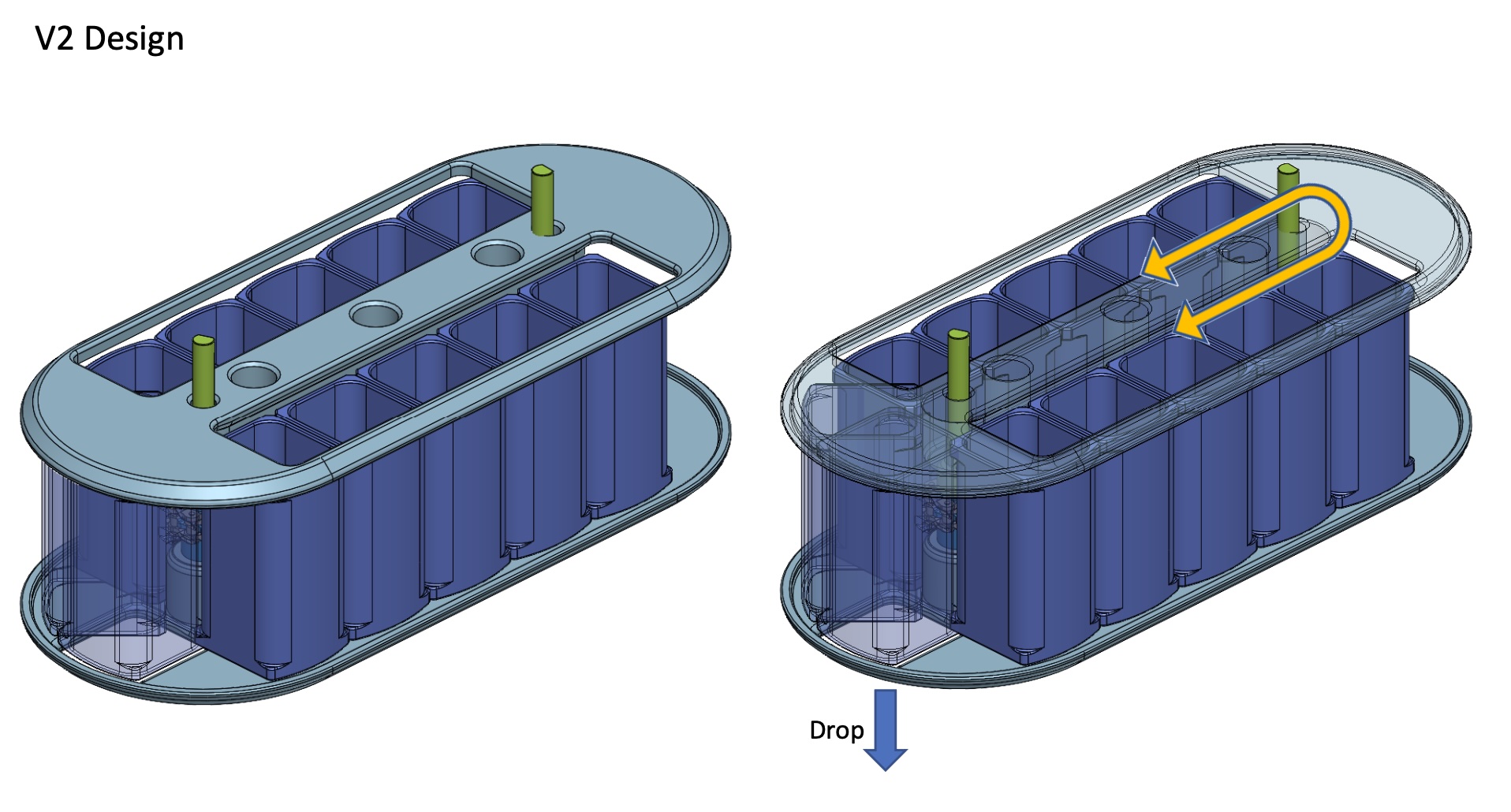
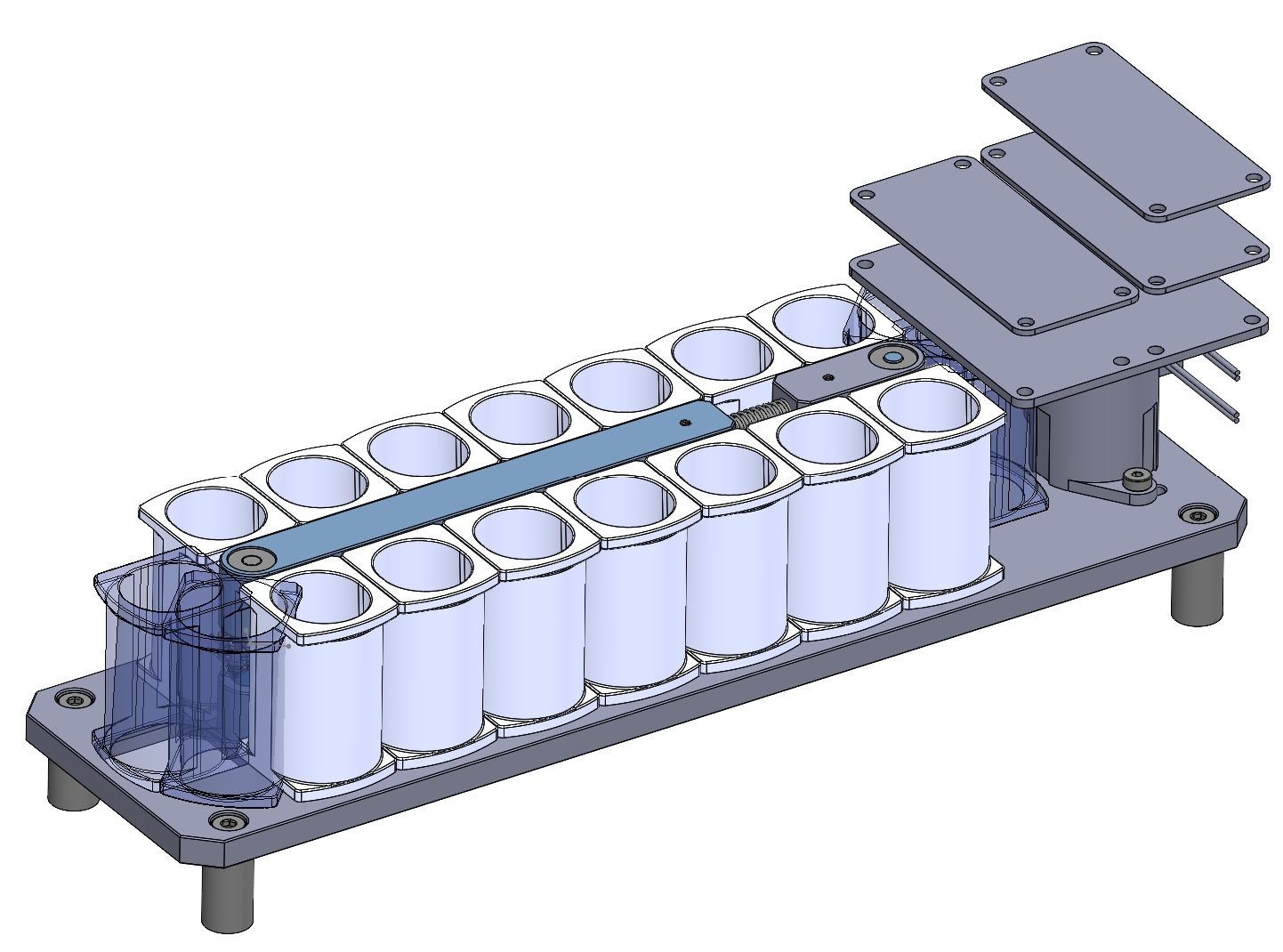
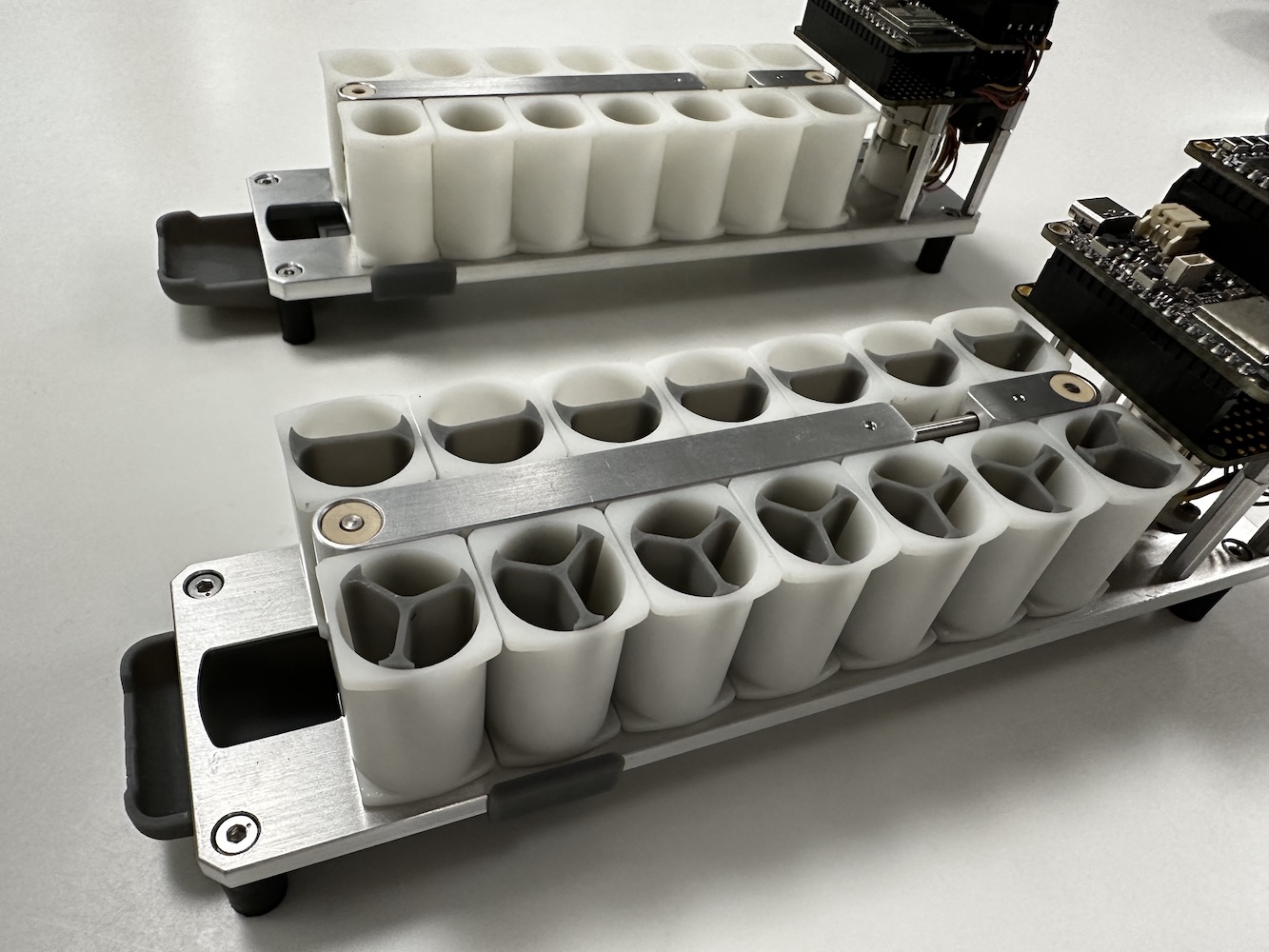
At the core of the system is an innovative cylindrical tumbler-based dispensing mechanism designed to store and deliver medication in a controlled, repeatable manner.
Contributions
- Architecture definition & concept development for automated dispensing mechanisms
- Mechanical design & prototyping of cylindrical tumbler storage & delivery systems
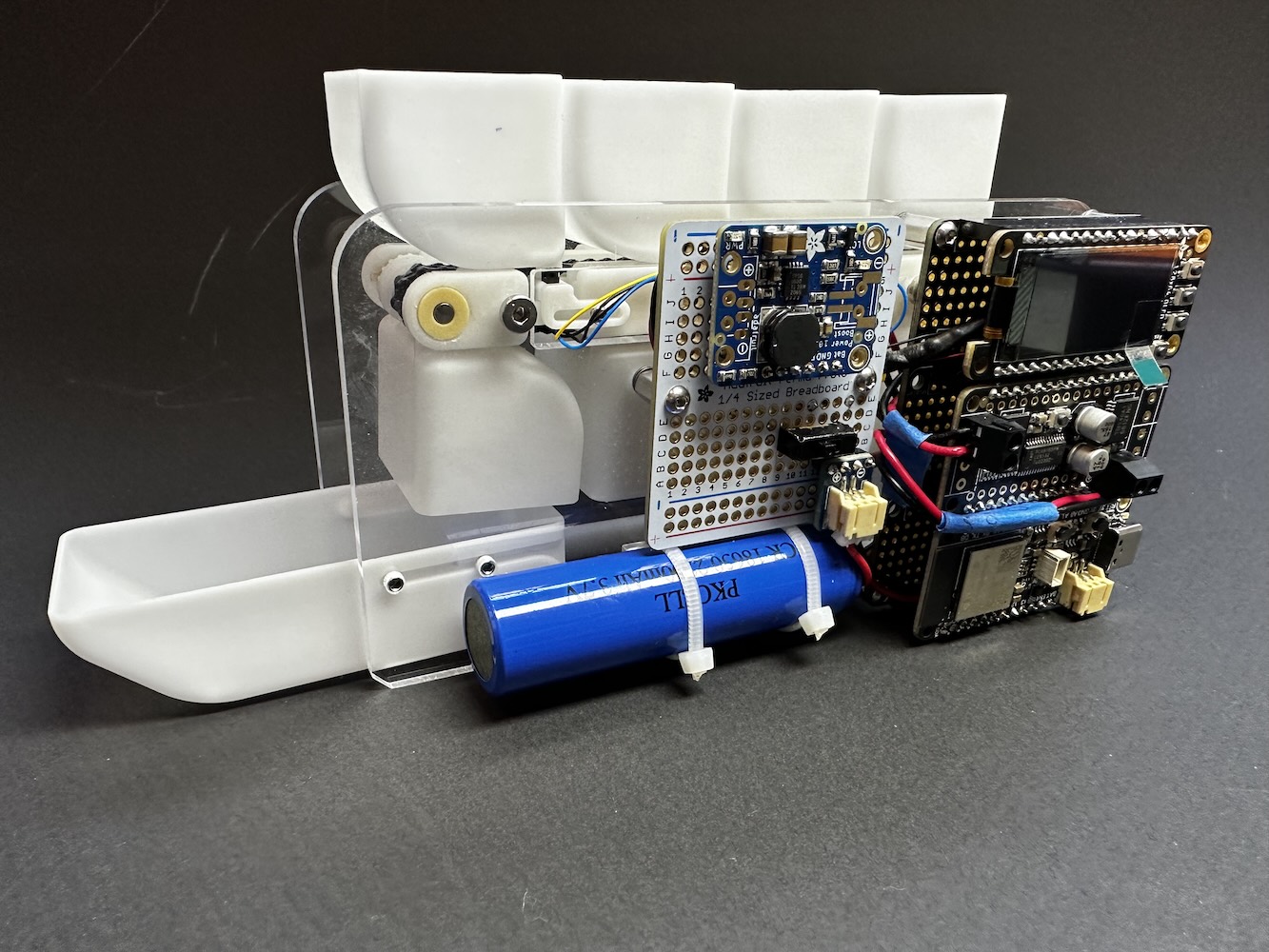
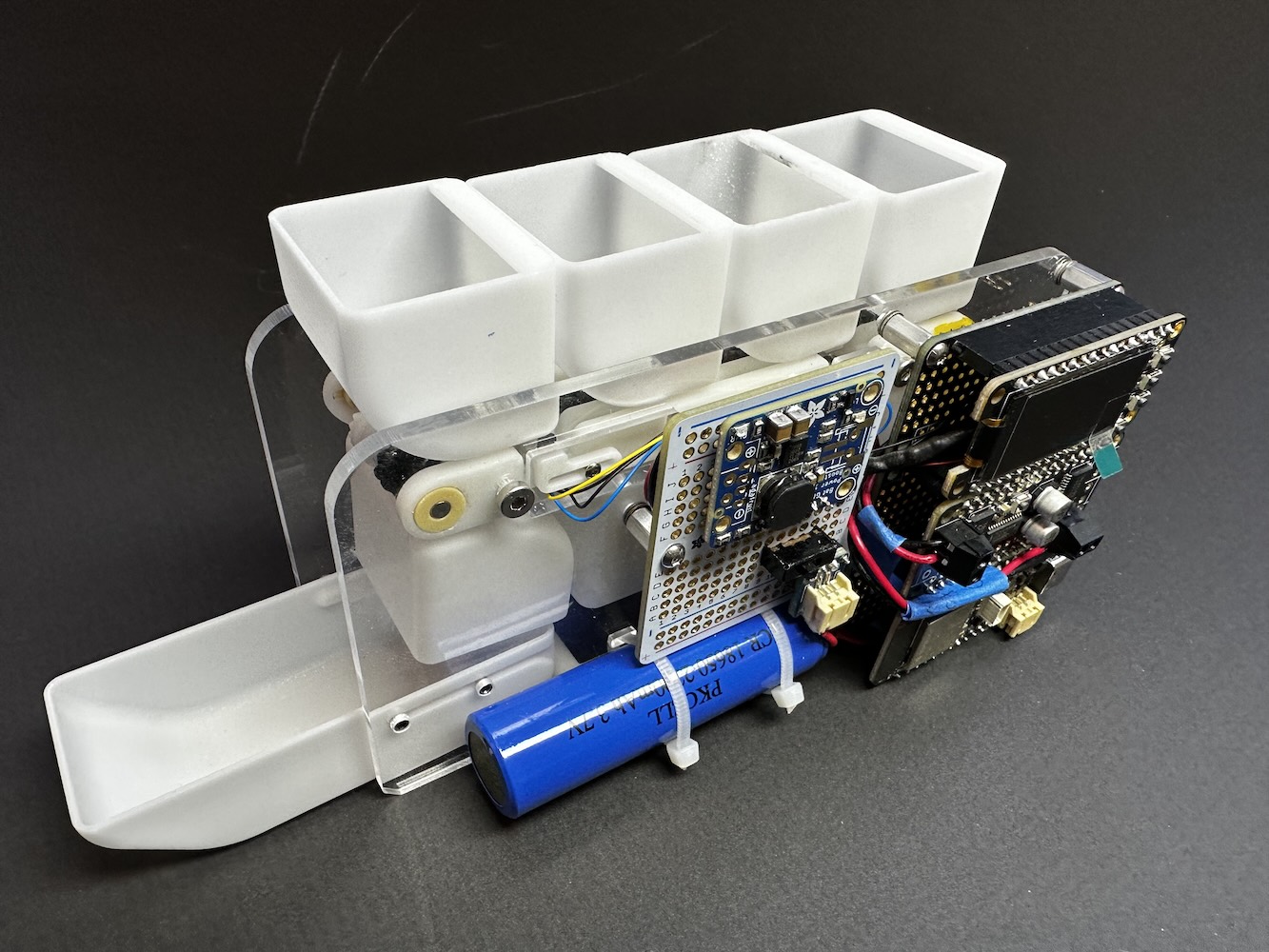
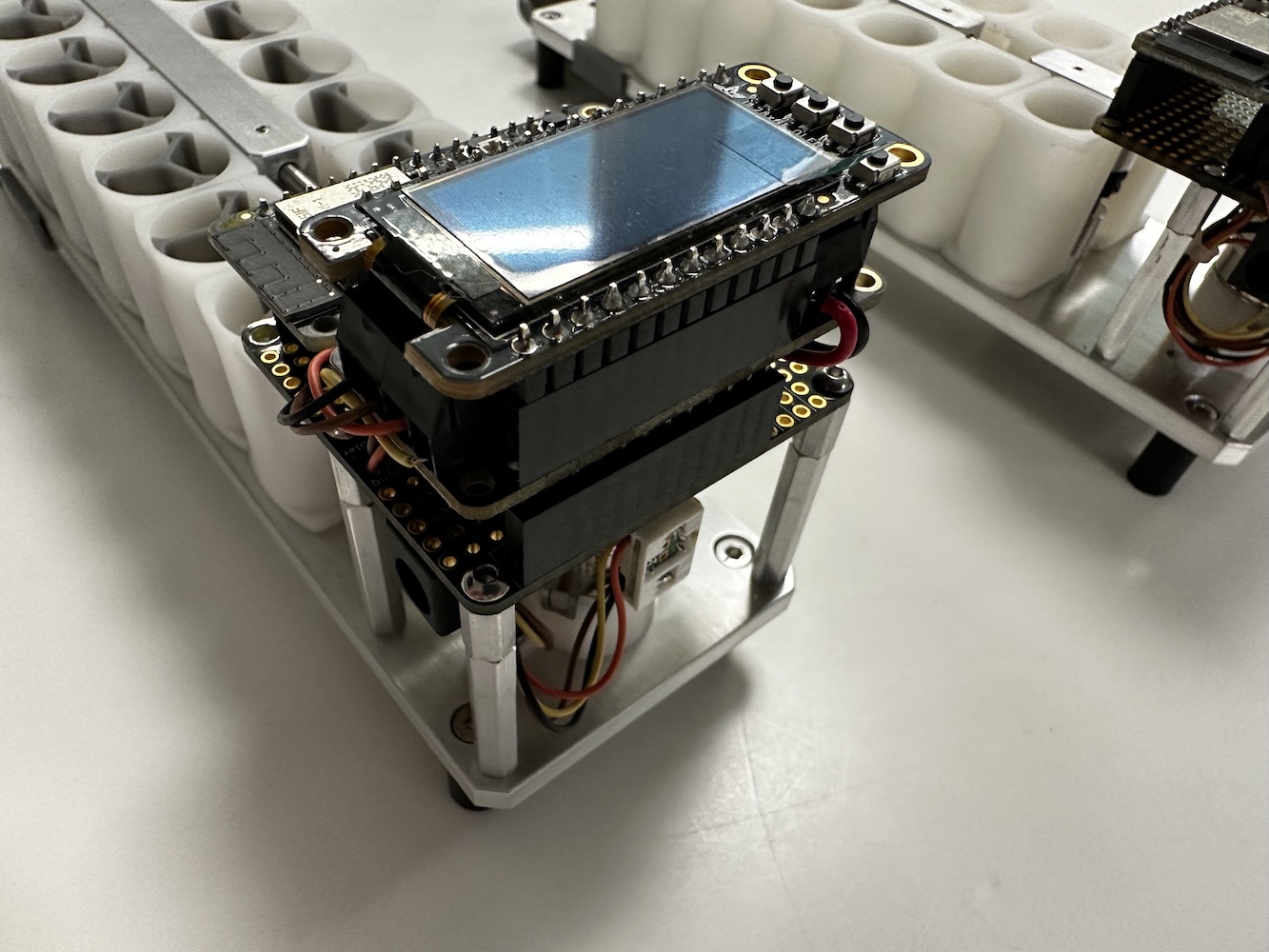
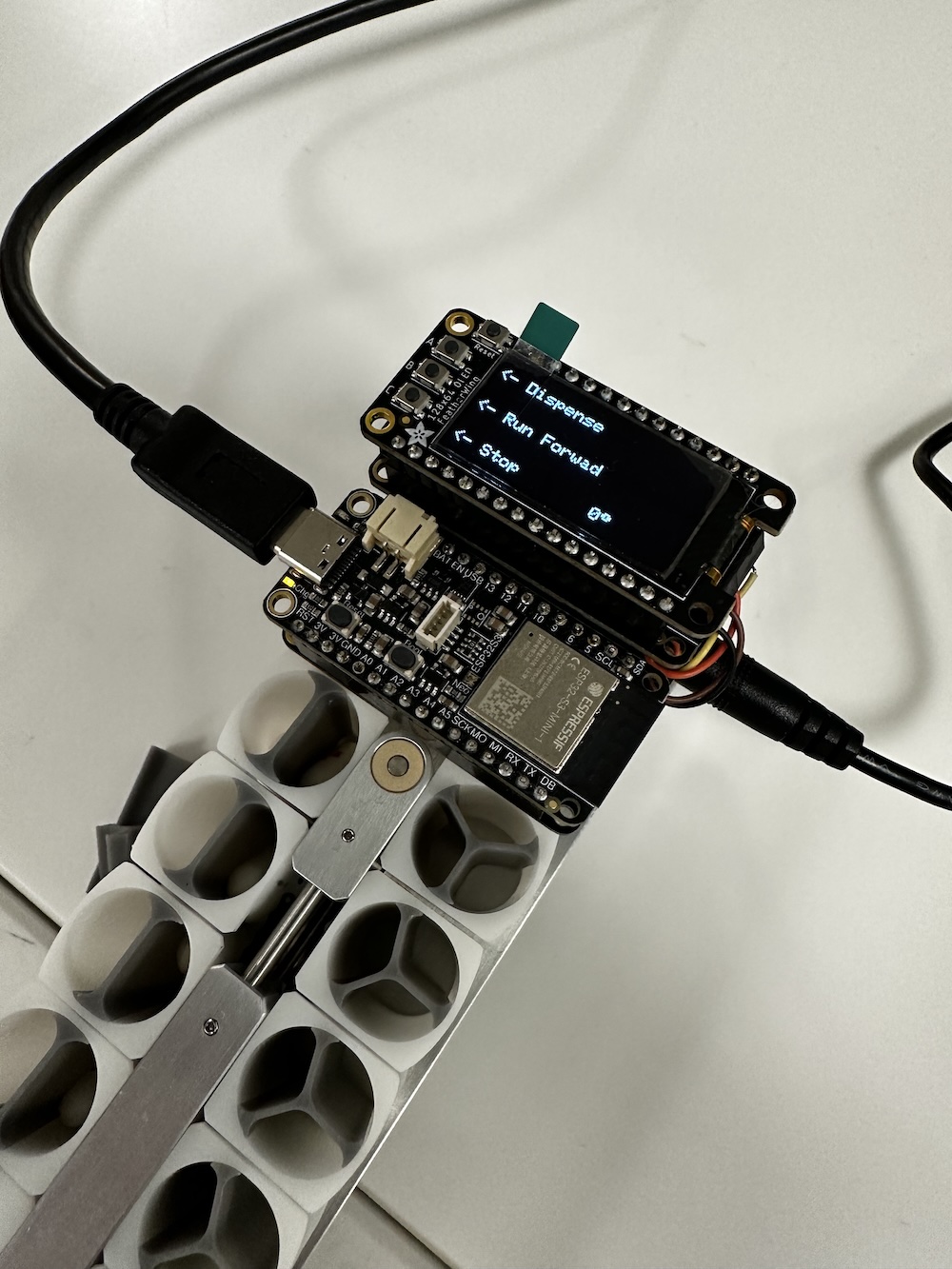
- Electronics integration using embedded control platforms, motors, & sensors
- Firmware development for dispensing logic, motor control, & system operation
- Subsystem and full-system prototyping (single tumbler & multi-tumbler)
- Evaluation of vertical & horizontal dispensing architectures
- Design for manufacturability considerations & production pathway planning
Impact
The project demonstrated the feasibility of a novel automated dispensing approach while establishing a clear path toward a connected, user-friendly medication management system aimed at improving adherence and patient outcomes.

Engineering Challenges
Developing a novel dispensing system required solving for:
- Reliable indexing and positioning of segmented cylindrical tumblers
- Controlled delivery of pills without jamming or mis-dosing
- Trade-offs between vertical and horizontal dispensing architectures
- Integration of motors, sensors, and control electronics
- Creating a compact, user-friendly form factor suitable for home use
- Establishing a scalable path toward manufacturable design
Engineering & Design Approach
1: Product Definition & Concept Development
We began by defining system requirements and exploring early design concepts:
- Collaborated with the client to define product goals and user needs
- Evaluated key technologies, including motors, sensors, and control platforms
- Developed initial concepts for segmented cylindrical tumbler mechanisms
- Conducted trade-off analysis for system architectures
This phase established a clear direction for subsystem prototyping.
2: Subsystem Prototyping & Architecture Validation
We developed and tested single-tumbler prototypes to validate core functionality.
Vertical Drop Architecture
- Designed and built a breadboard prototype with rotational control
- Integrated stepper motor, sensors, and control electronics
- Developed firmware for indexing and dispensing functionality
- Fabricated 3D printed components for rapid iteration
Horizontal Drop Architecture
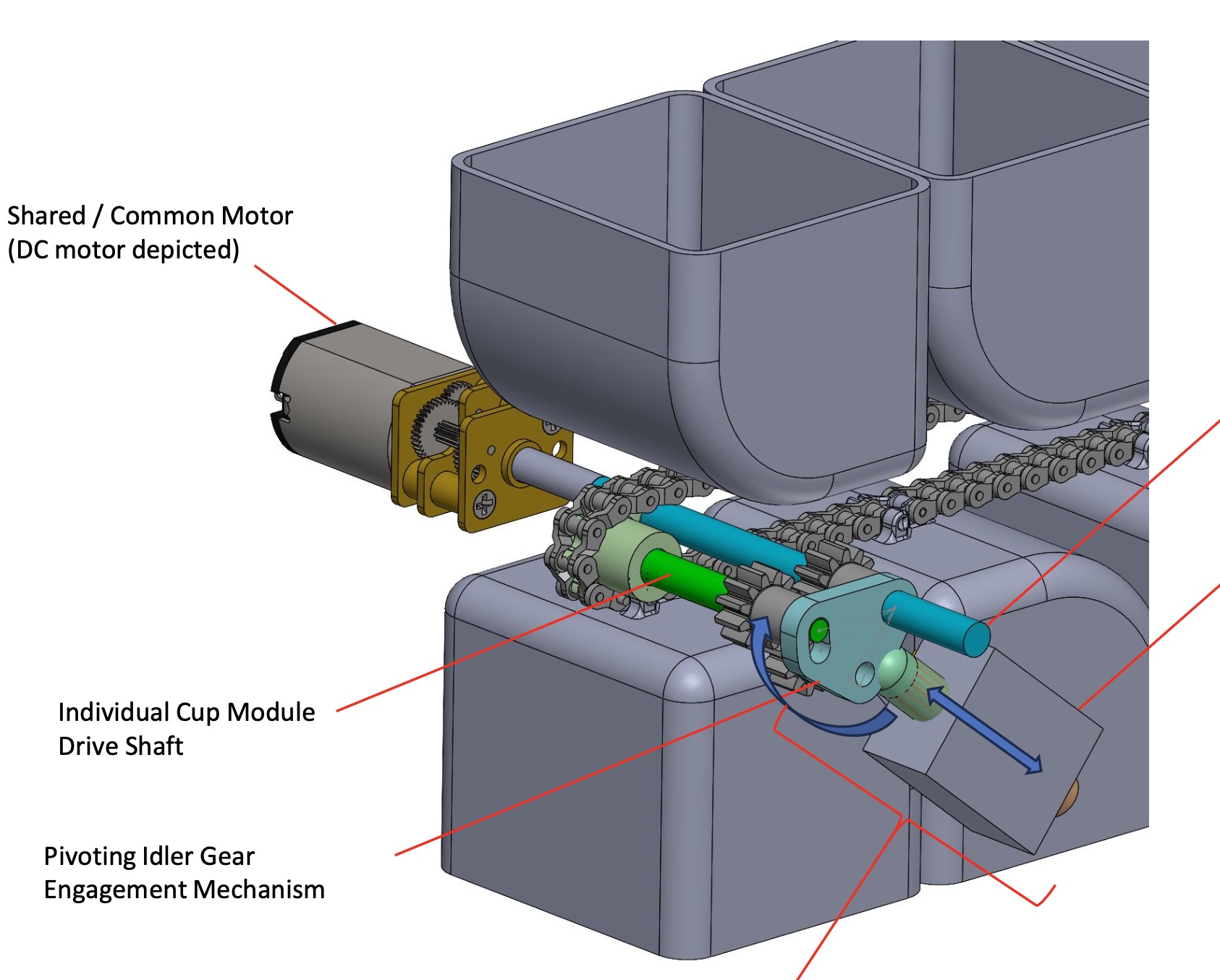
- Conducted trade studies between direct-drive and clutch-based mechanisms
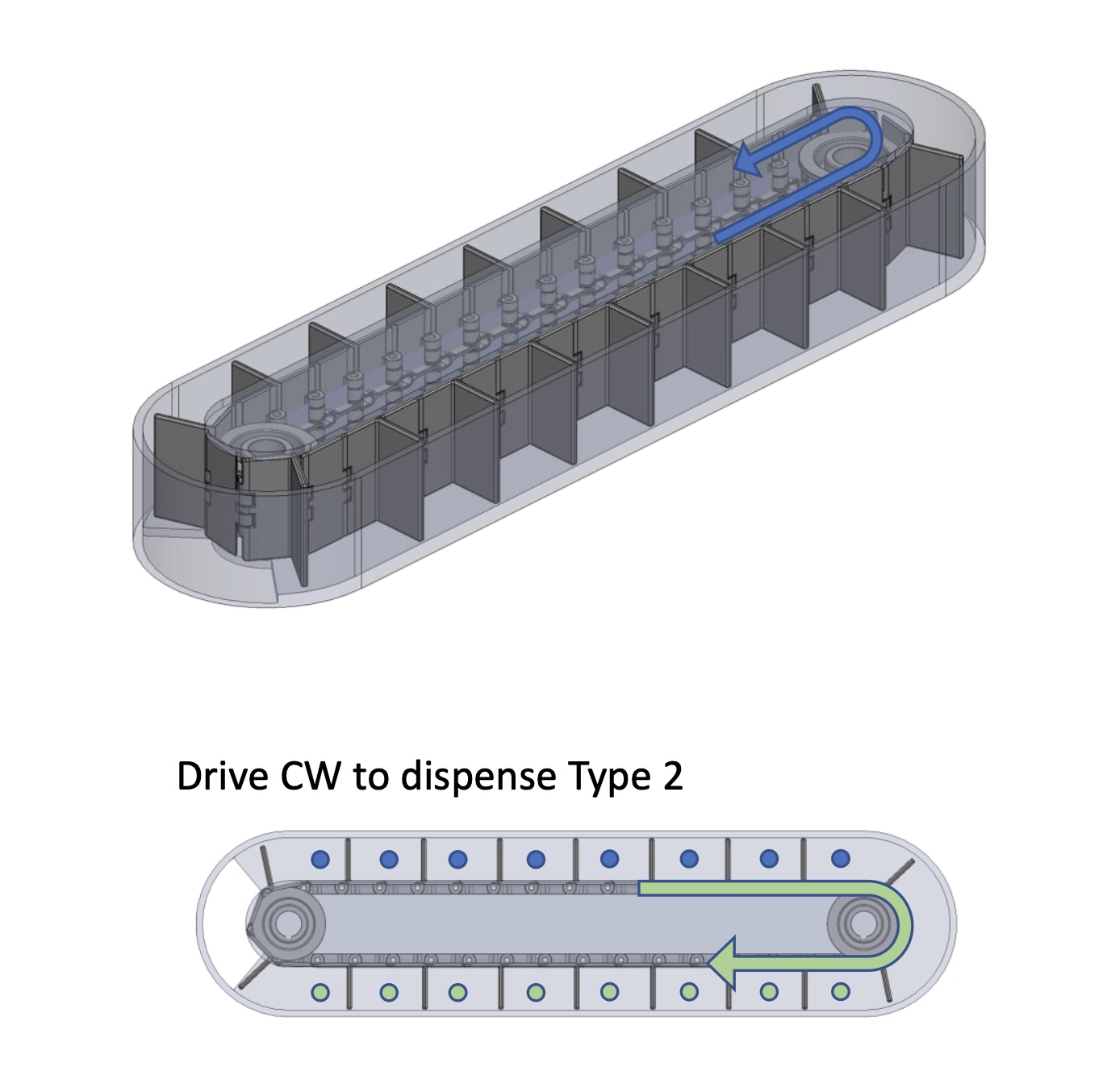
- Developed multi-compartment dispensing concepts
- Designed and prototyped modular architectures for scalability
- Integrated control electronics and firmware
Testing focused on:
- Mechanism reliability and repeatability
- Motor control performance
- Dispensing accuracy
- System feasibility
3: Integrated System Prototype
Building on validated subsystems, we developed an integrated multi-tumbler prototype.
Mechanical System
- Six-tumbler architecture with segmented medication compartments
- Integrated drive system for coordinated dispensing
- Prototype mechanism and structural framework
Electronics & Controls
- Arduino-based system architecture for rapid development
- Motor drivers, sensors, and wireless communication integration
- Control logic for coordinated multi-tumbler operation
Firmware Development
- Control algorithms for rotation, indexing, and dispensing
- Basic user interaction and system control logic
4: Prototyping & Testing
We fabricated and evaluated multiple prototype iterations to:
- Validate dispensing accuracy and repeatability
- Assess mechanical reliability and failure modes
- Compare vertical vs. horizontal architectures
- Characterize mechanism sub-system performance
These prototypes were used for:
- User testing and feedback
- Investor demonstrations
- Technology validation
5: Design for Manufacturing Considerations
Throughout development, we incorporated forward-looking manufacturability considerations:
- Component selection aligned with scalable production
- Modular architecture for assembly and serviceability
- Evaluation of injection-molded components for future designs
- Early assessment of cost and complexity trade-offs
RESULTS
The project resulted in a functional prototype platform demonstrating:
- Feasibility of a novel automated pill dispensing mechanism
- Reliable motor-driven control of segmented tumbler systems
- Integrated electronics and firmware for system operation
- A path toward a connected, medication management product
The system provides a strong foundation for future development of a smart, connected healthcare device aimed at improving medication adherence and patient outcomes.
Related Projects
Cell Therapy Manufacturing Platform – Expansion
Package Delivery System
Premium Vaporizer
Surgical Restraint System
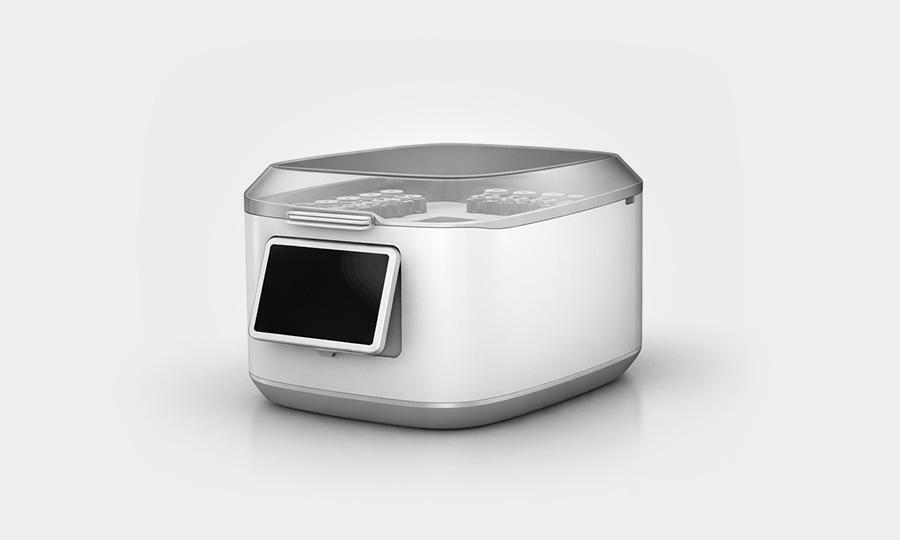
Automated Cell Therapy Manufacturing Platform