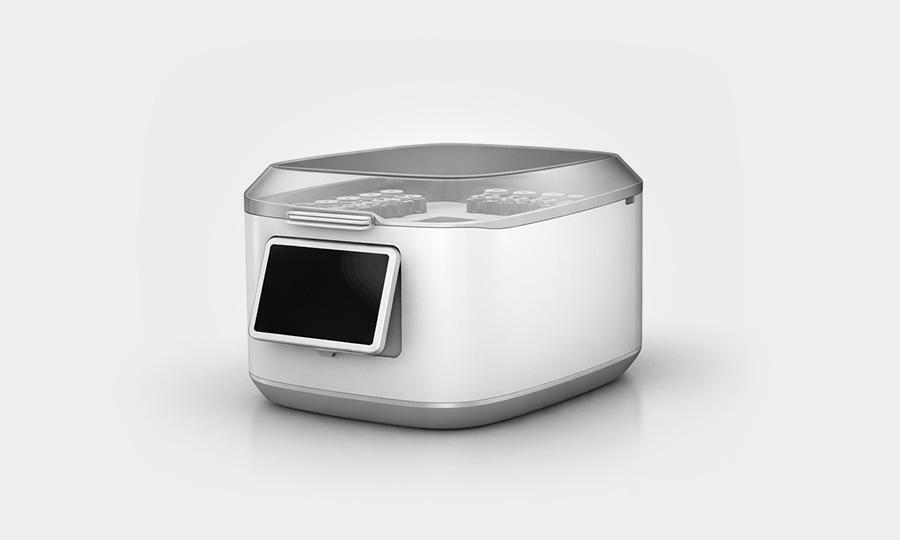
TableSafe
Secure Payment System - 2nd Generation
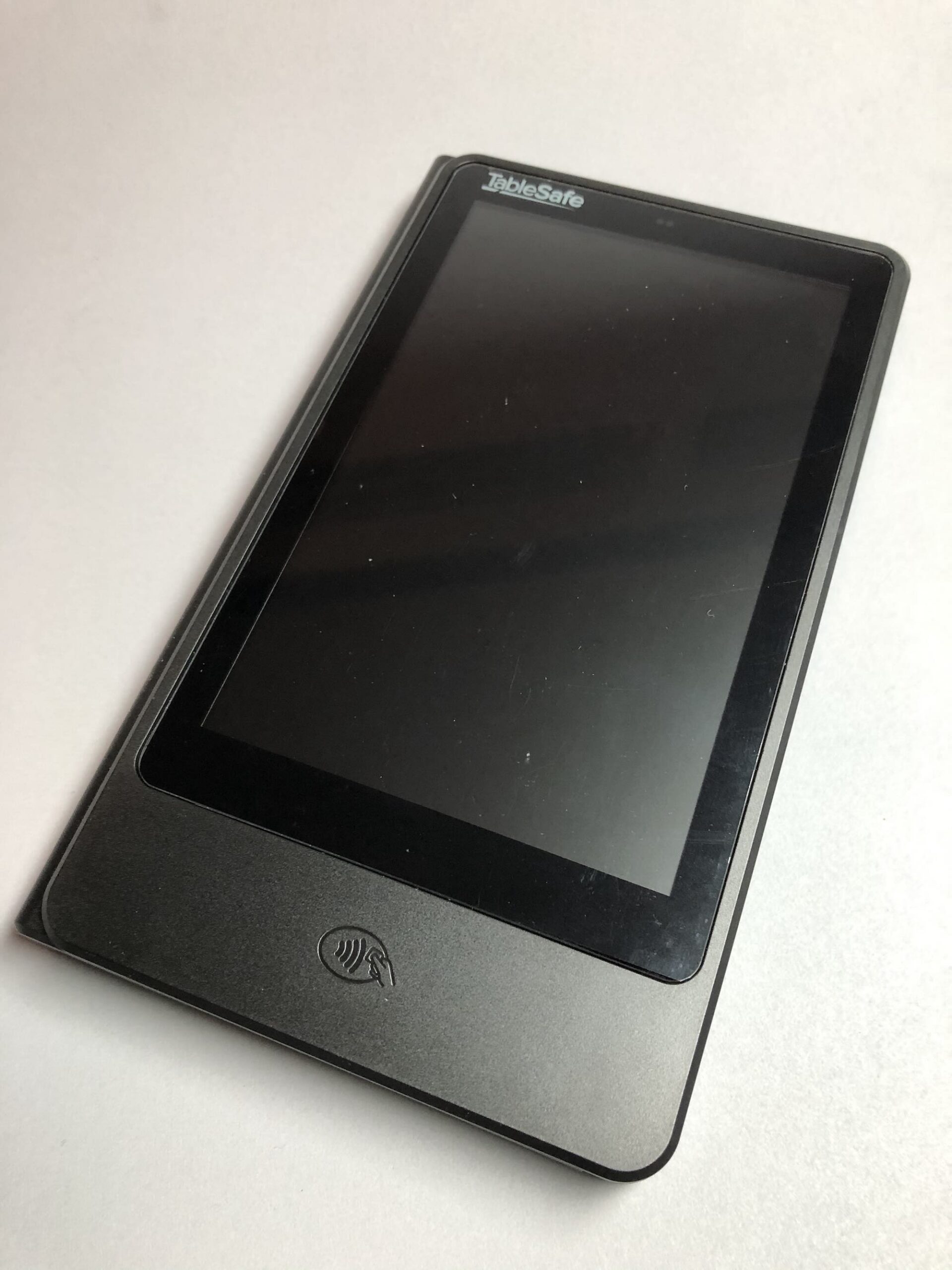
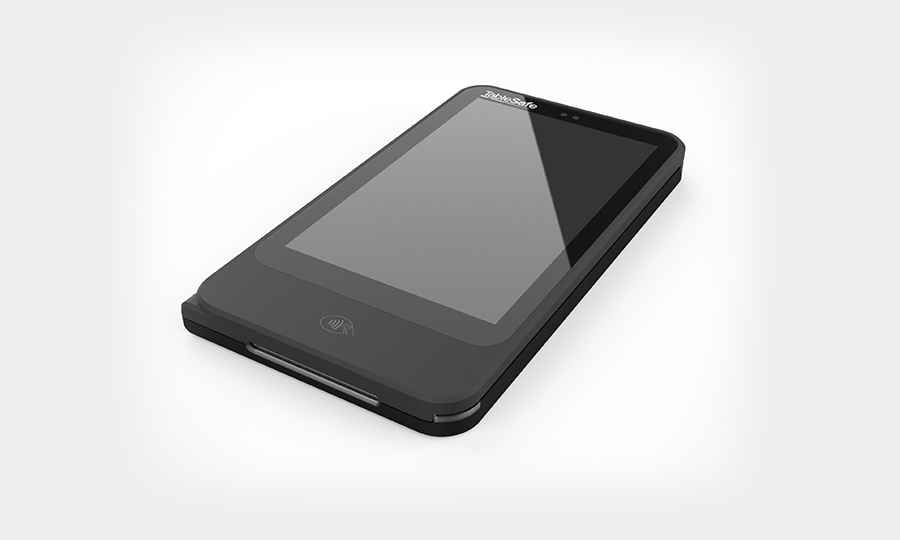
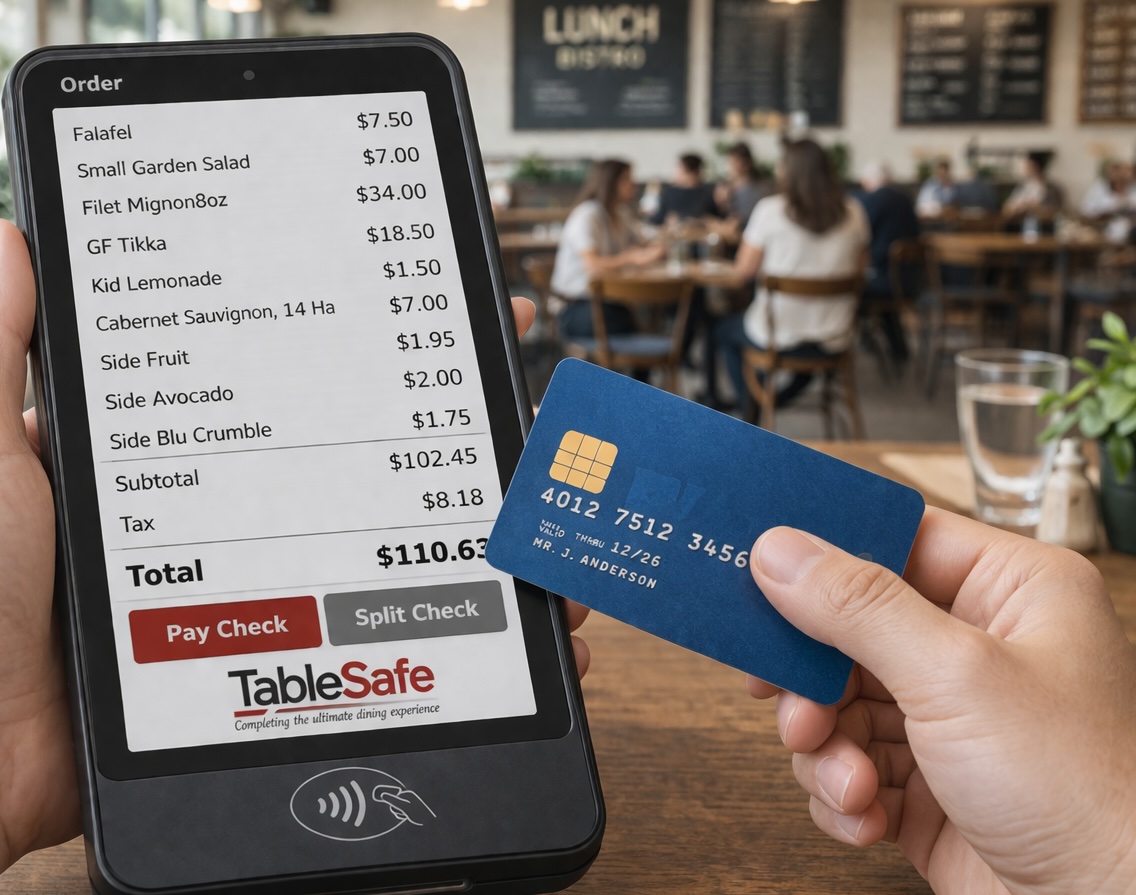
A next-generation payment platform featuring a full touchscreen interface and upgraded electronics architecture. Our team delivered an integrated hardware system with improved usability, performance, and scalability.
The TableSafe RAIL™ 2nd generation device represents a complete clean-sheet redesign of the original RAIL platform, which had already been widely deployed in restaurants across the United States. The new version was developed to modernize the user experience, improve performance, and create a scalable hardware platform capable of supporting future payment technologies.
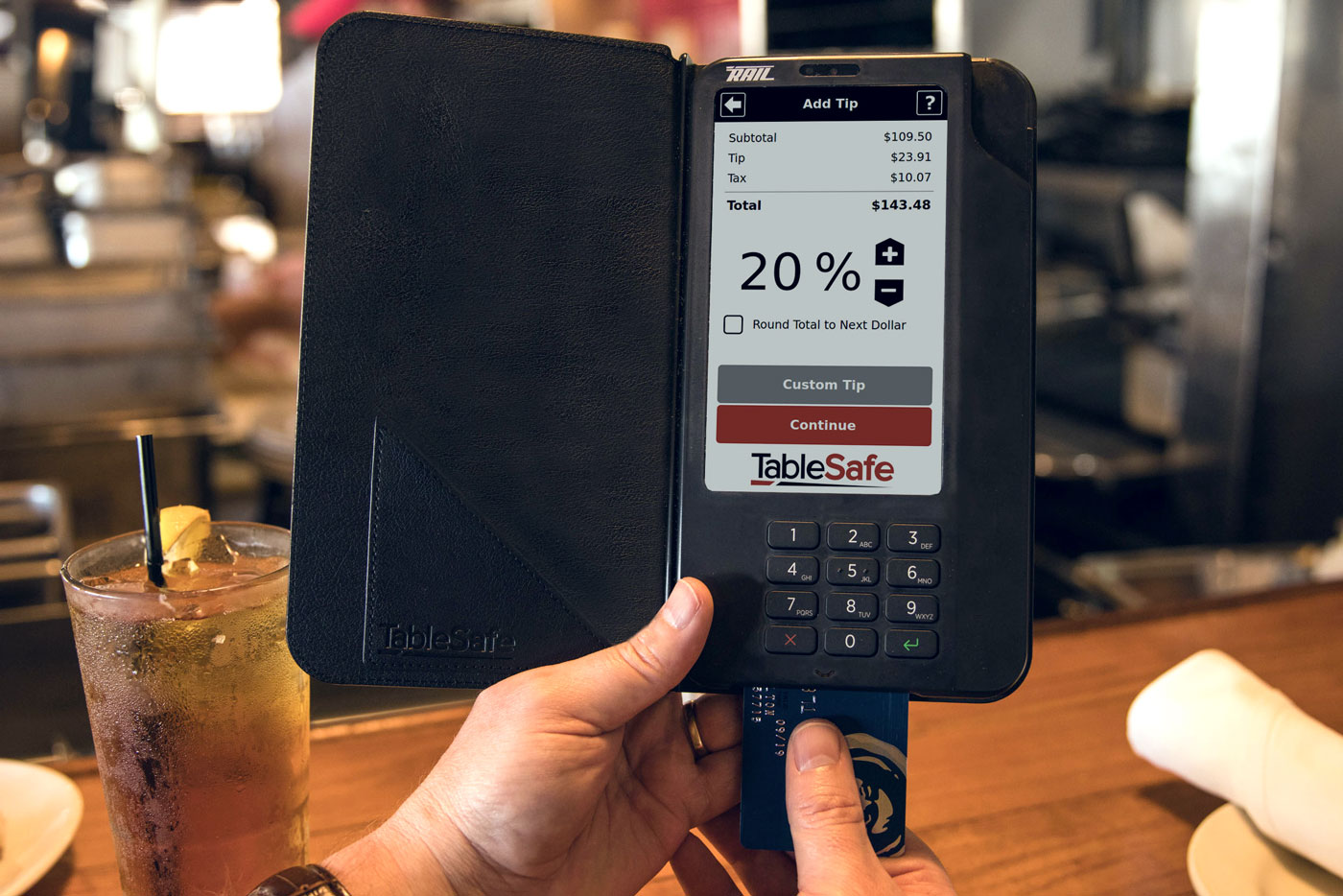
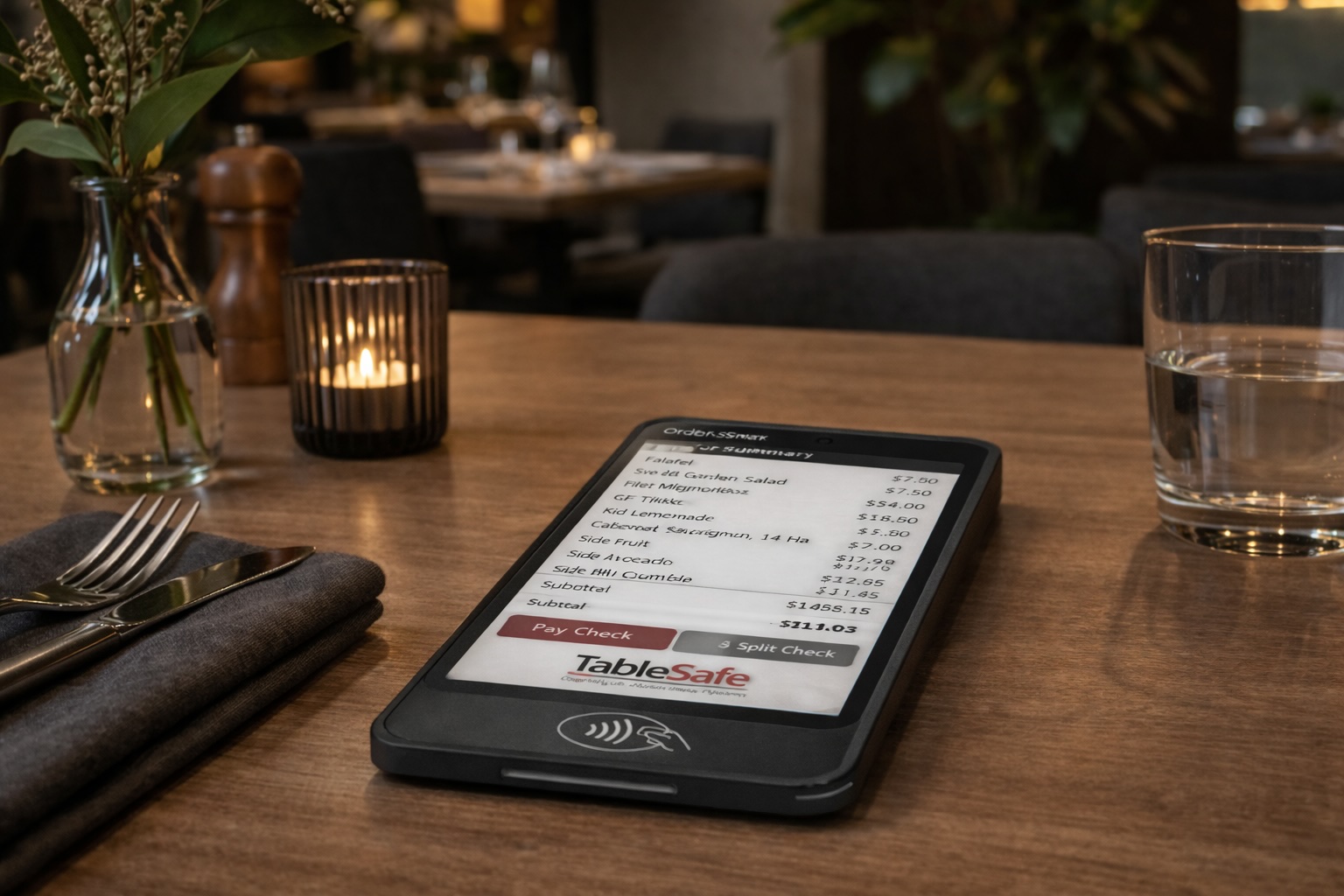
This new design provides a seamless pay-at-the-table experience while maintaining the security and operational benefits of the original platform.
Contributions
- System architecture and industrial design development
- Mechanical design of enclosure and internal packaging
- Electronics development for enhanced processing and NFC
- Optical integration for display and illumination features
- Prototype development and system verification
- Design for manufacturability and pre-production readiness
Impact
Enabled a modernized payment platform with improved interaction, performance, and a scalable foundation for future feature expansion.
TAGS
INDUSTRIAL DESIGN
MECHANICAL ENGINEERING
ELECTRICAL ENGINEERING
OPTICAL ENGINEERING
TOOLS
SolidWorks
Rhino
Altium
Zemax OpticsStudio
Design Objectives
The second-generation platform was designed to:
- Modernize the user interface through a touchscreen-first interaction model
- Improve display clarity and usability with a larger, higher pixel density screen
- Support contactless NFC payments alongside traditional payment methods
- Deliver faster system performance through an advanced processor
- Retain design language of original RAIL device, while adding a fresh aesthetic
- Maintain durability and reliability for high-use restaurant environments
In addition, the new platform needed to provide a scalable electronics architecture capable of supporting future features and software capabilities.
Engineering Challenges
Transitioning from the original hardware platform to a touchscreen-based system required addressing several engineering challenges:
- Integrating a larger display while maintaining a compact handheld form factor
- Redesigning the electronics architecture around a higher-performance processor and the stringent POS electronics tamper proof requirements
- Managing power consumption and thermal performance within a sealed enclosure
- Integrating NFC antennas without interfering with other system electronics
- Achieving consistent illumination and visual feedback across the interface
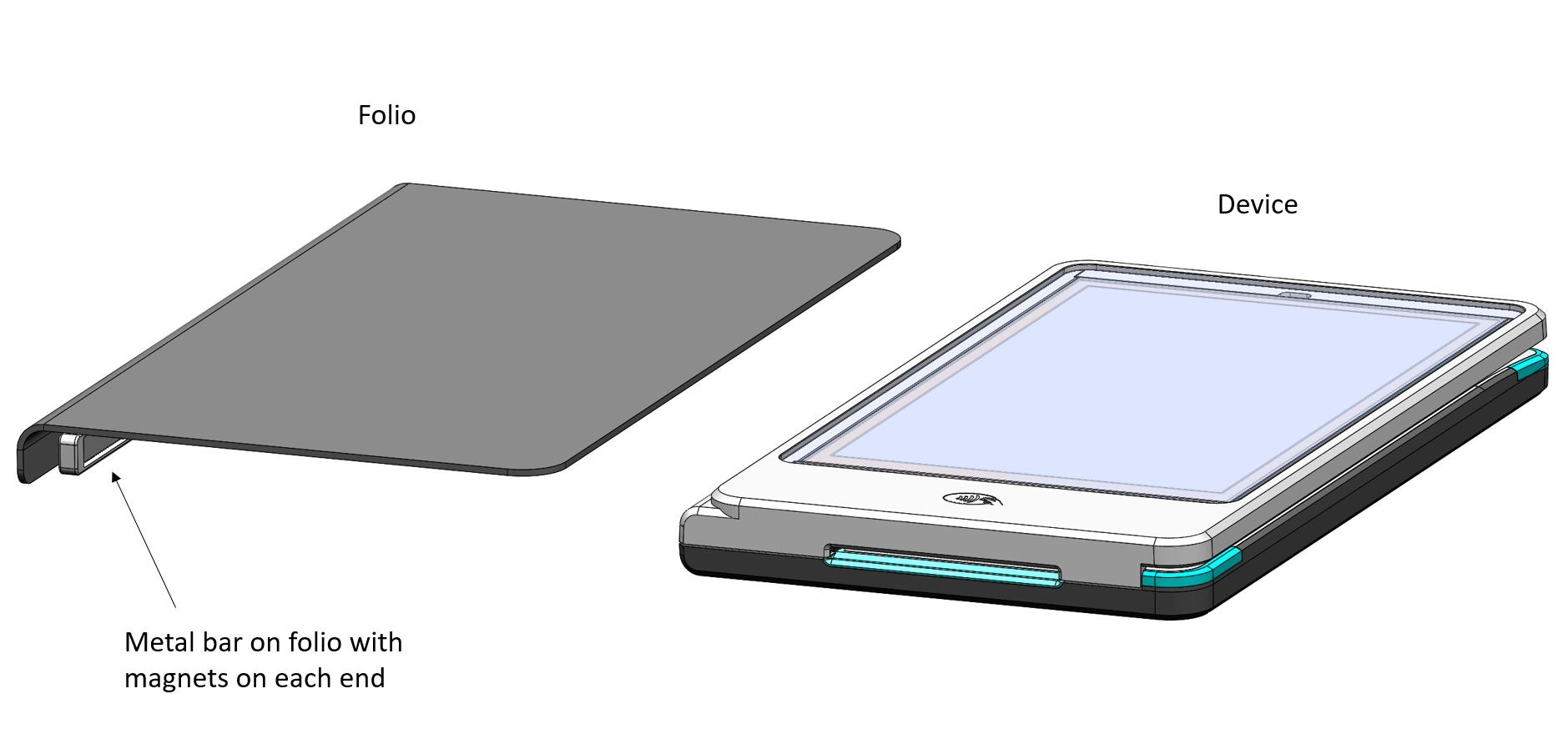
- Designing a protective cover that enhanced usability without complicating operation
A coordinated effort across industrial design, mechanical engineering, electrical engineering, and optical engineering was required to deliver a cohesive solution.
Engineering & Design Approach
1. Industrial Design & User Interaction
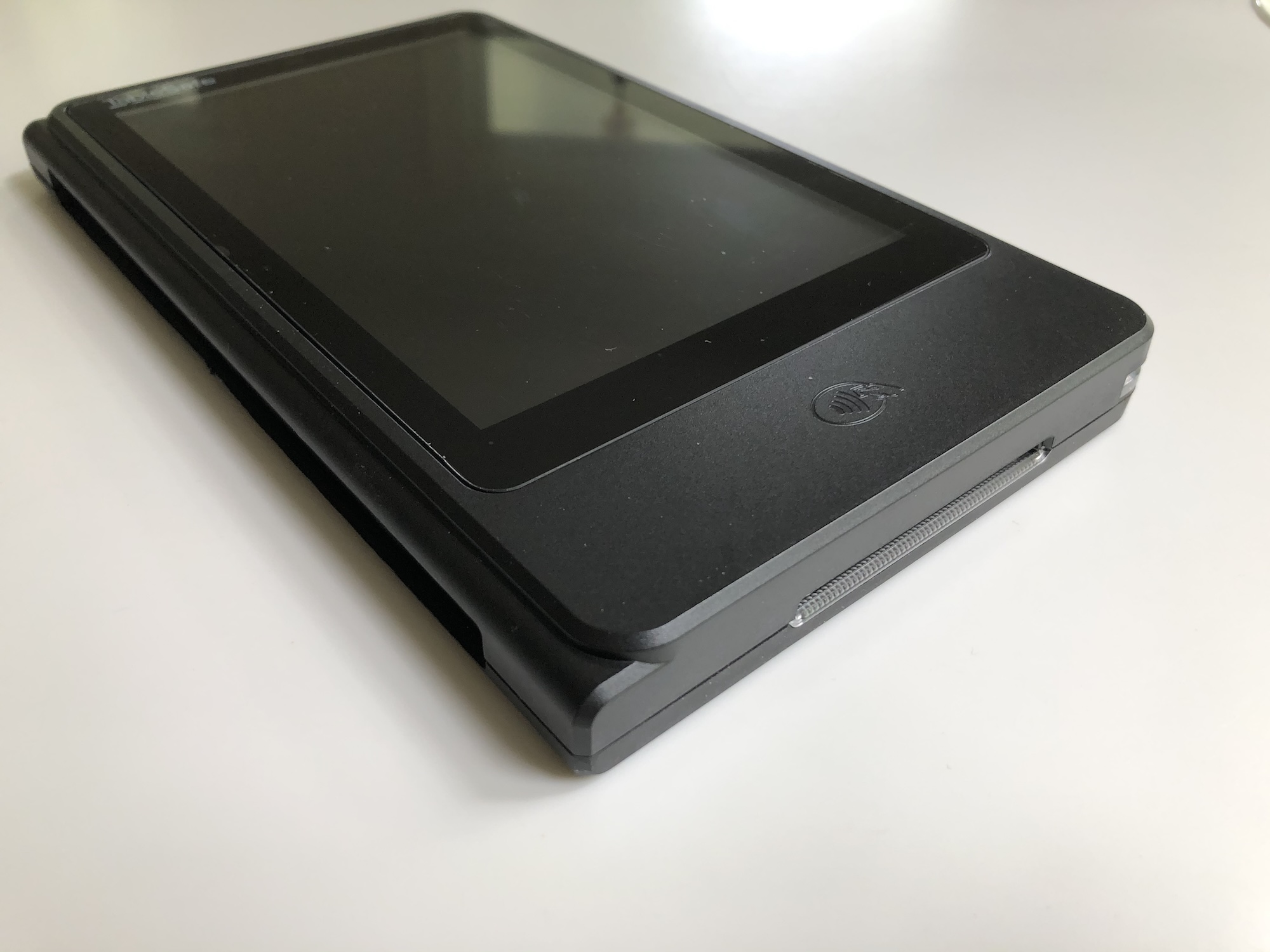
The industrial design team began by refining the visual language established in the original RAIL platform while evolving the device toward a cleaner, tablet-like aesthetic.
Key design goals included:
- A visually modern form factor appropriate for hospitality environments
- Clear touchscreen interaction zones
- Improved visual hierarchy for the display interface
- Comfortable handling for both staff and guests
The resulting design maintained brand continuity while presenting a more refined and contemporary device.
2. Custom Protective Cover
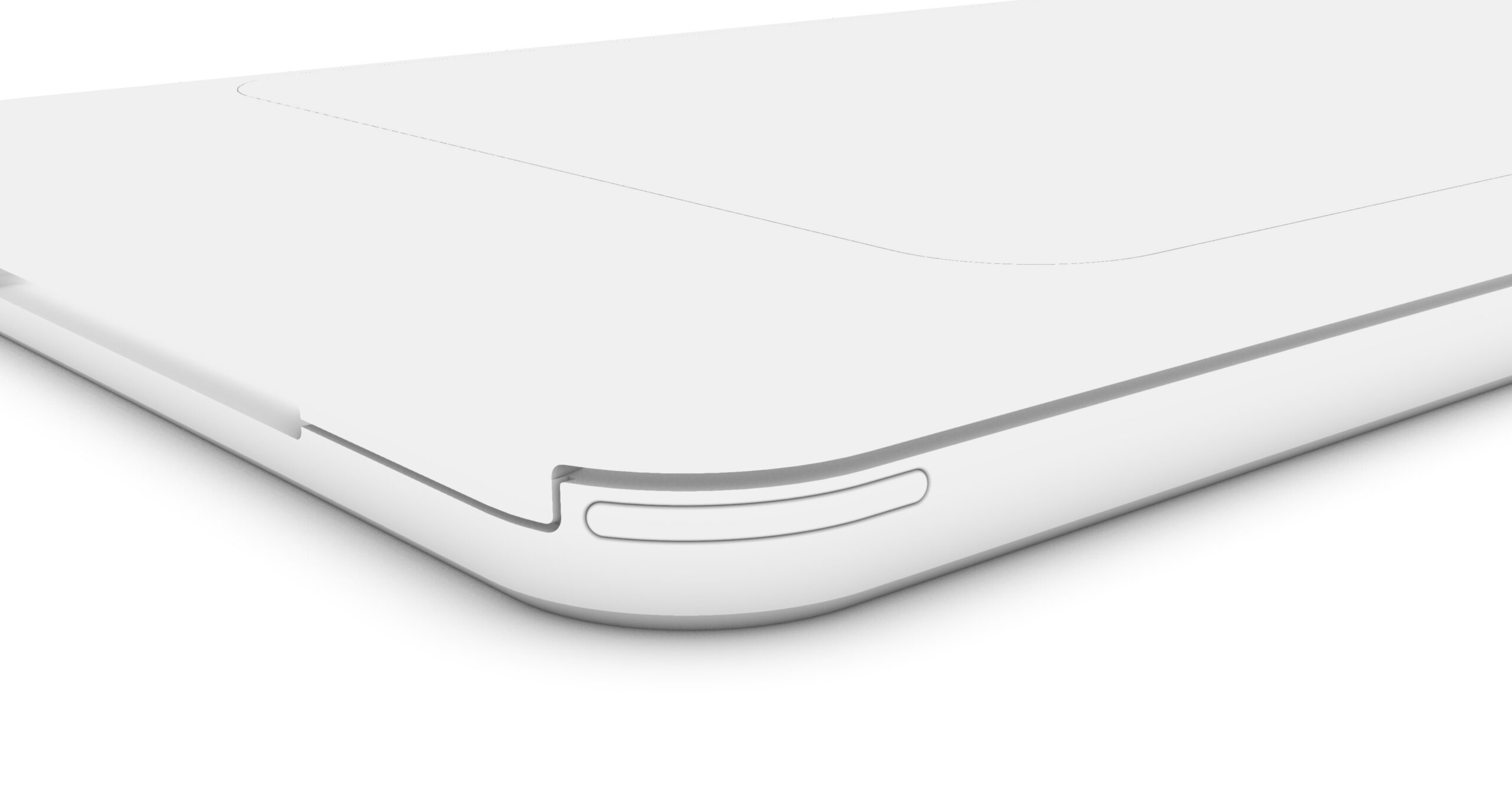
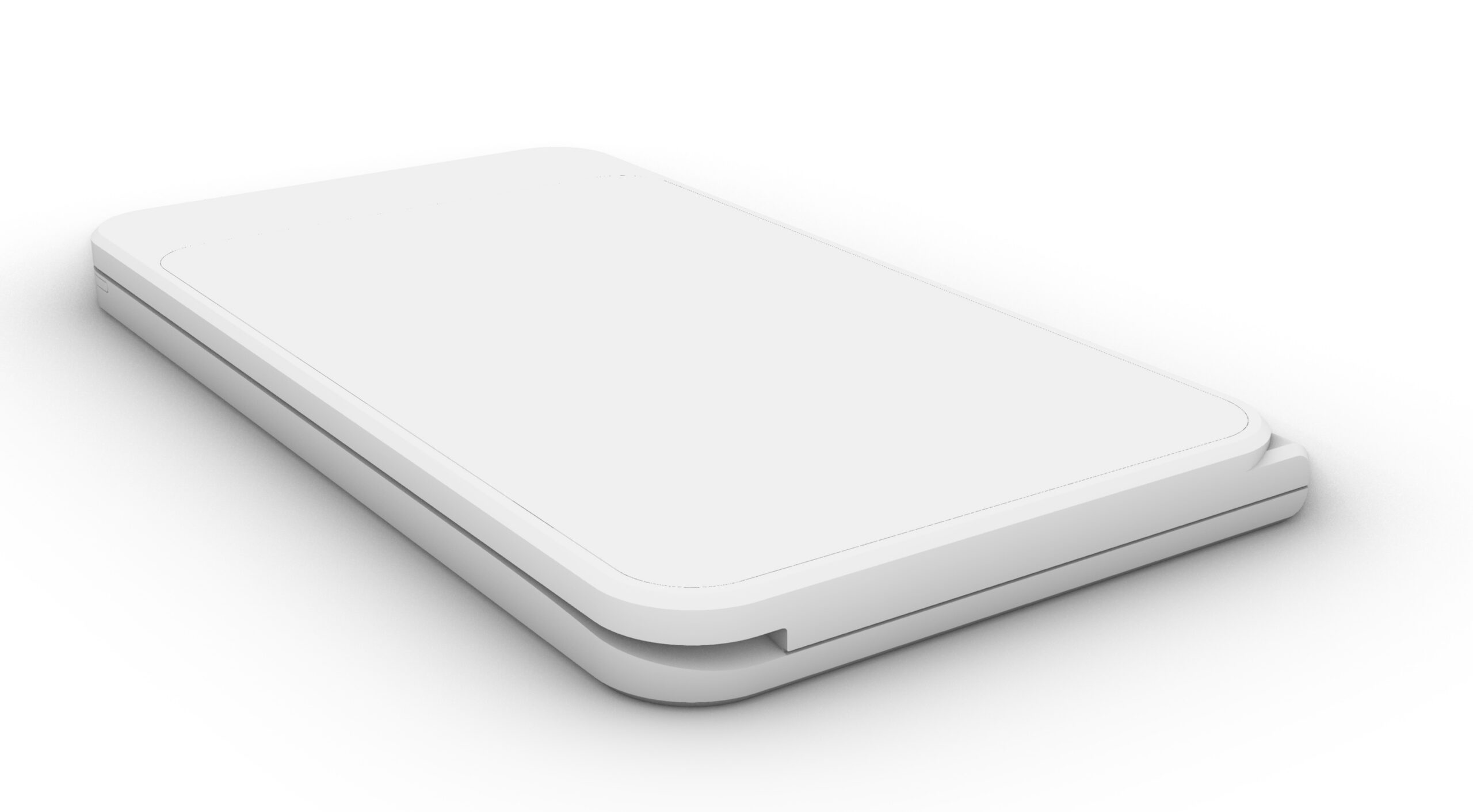
A custom magnetically attached leather cover was developed to complement the device.
The cover was designed to:
- Protect the display during storage and handling
- Provide a premium tactile experience
- Fold completely behind the device during active use
- Attach and detach quickly through an integrated magnetic interface
This feature provided both functional protection and a distinctive product experience aligned with restaurant environments.
3. Mechanical Engineering & System Integration
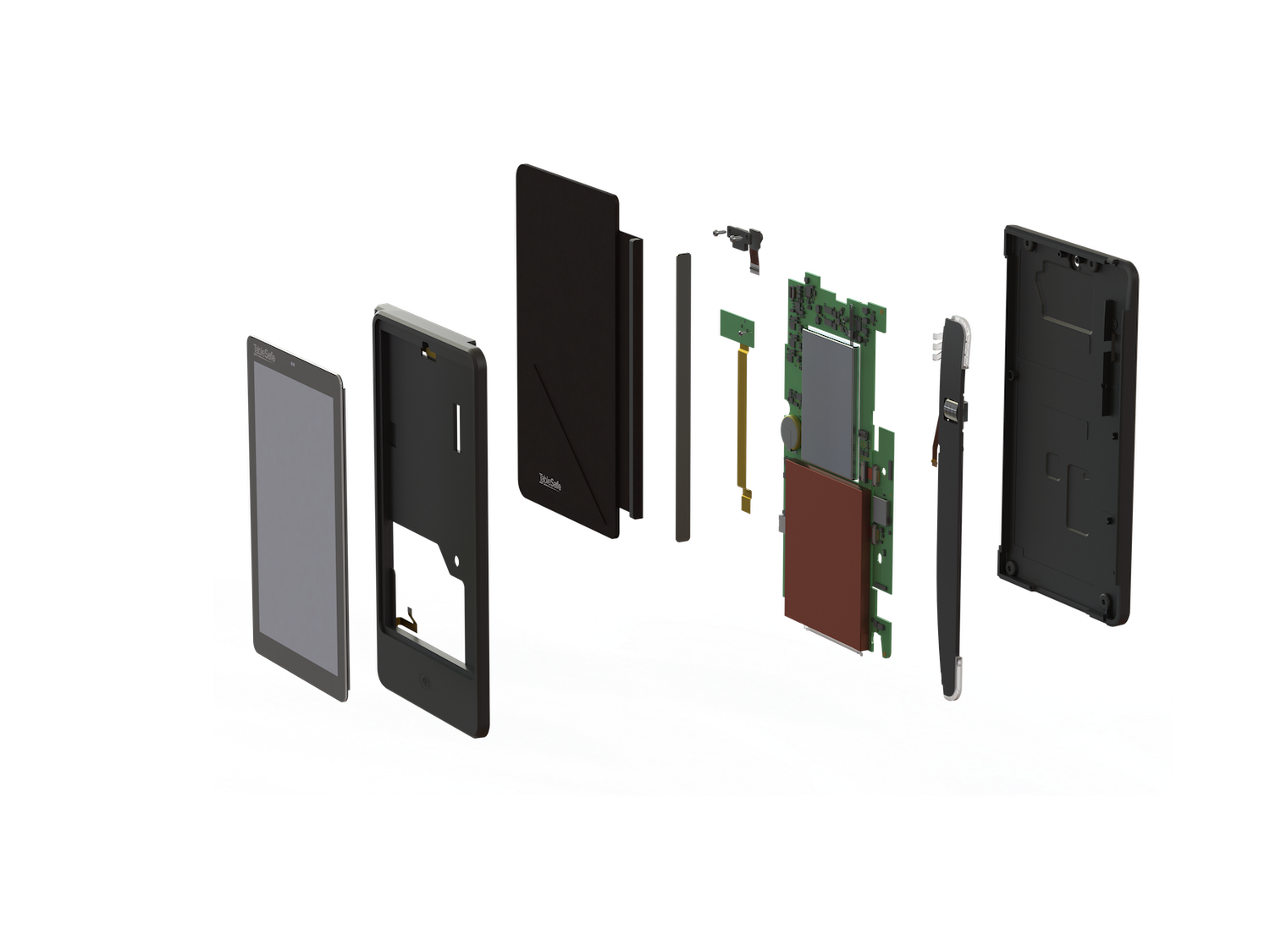
Mechanical engineers translated the industrial design into a production-ready enclosure and internal architecture.
Key engineering work included:
- Structural enclosure design supporting the larger display
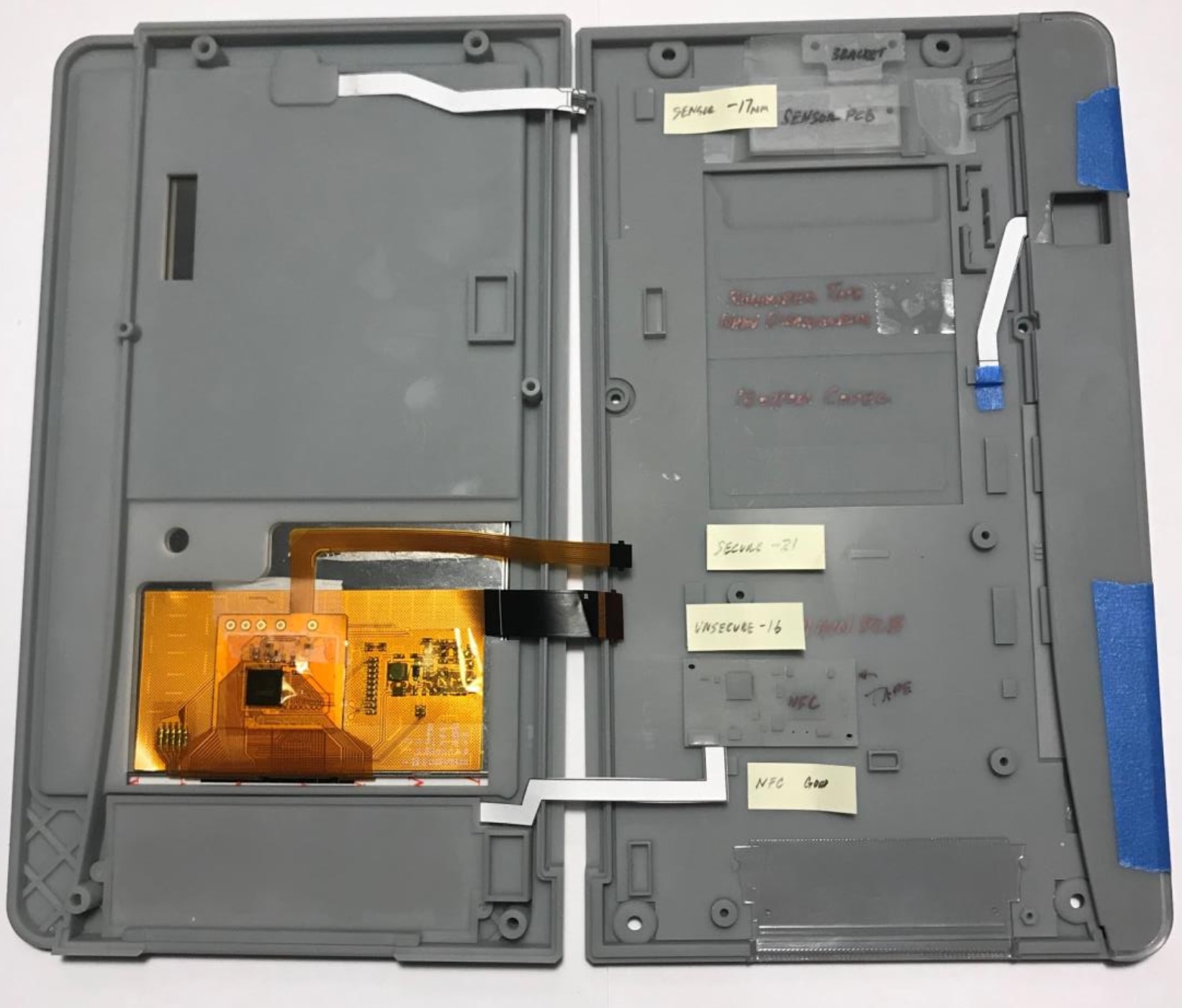
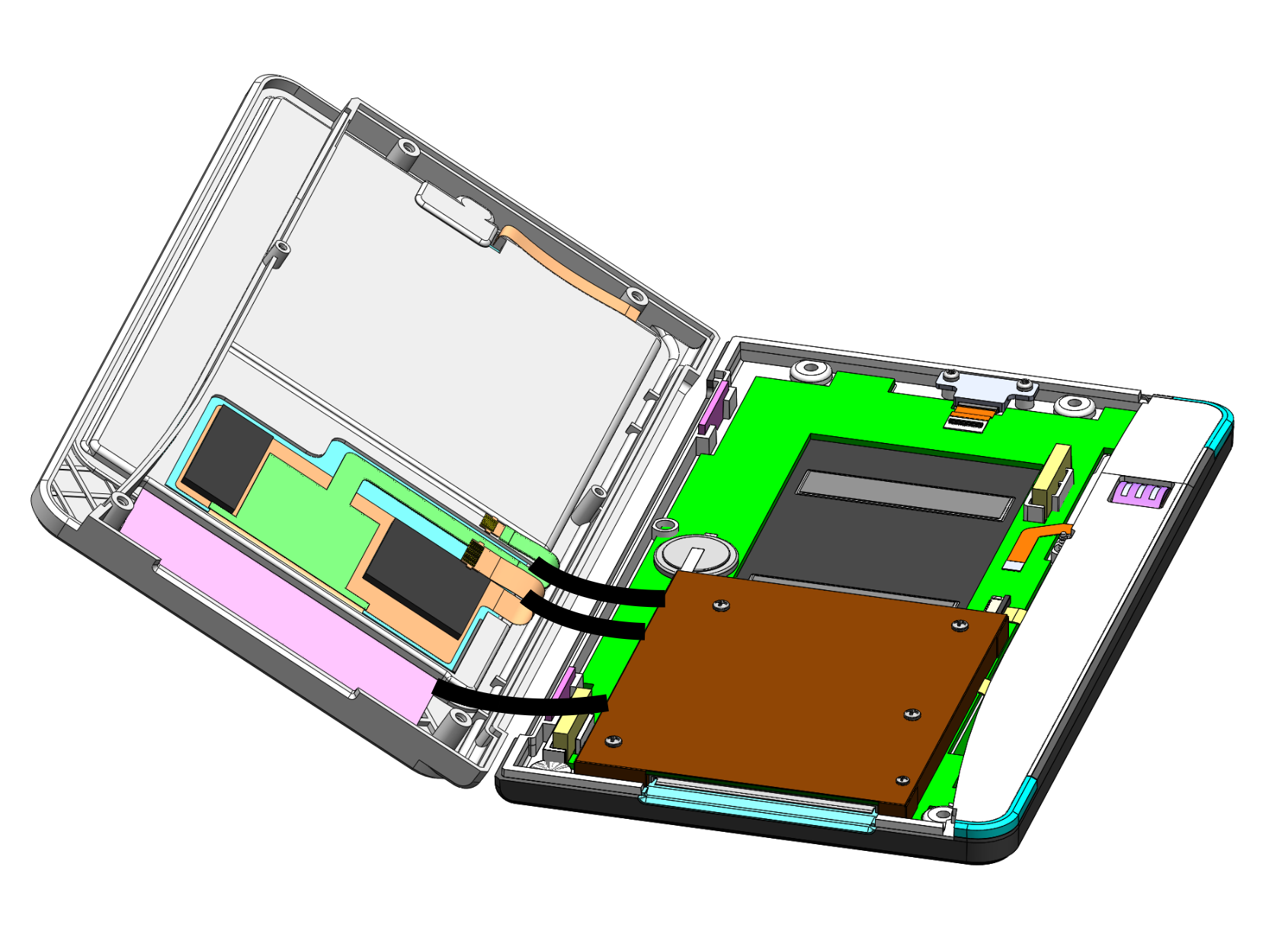
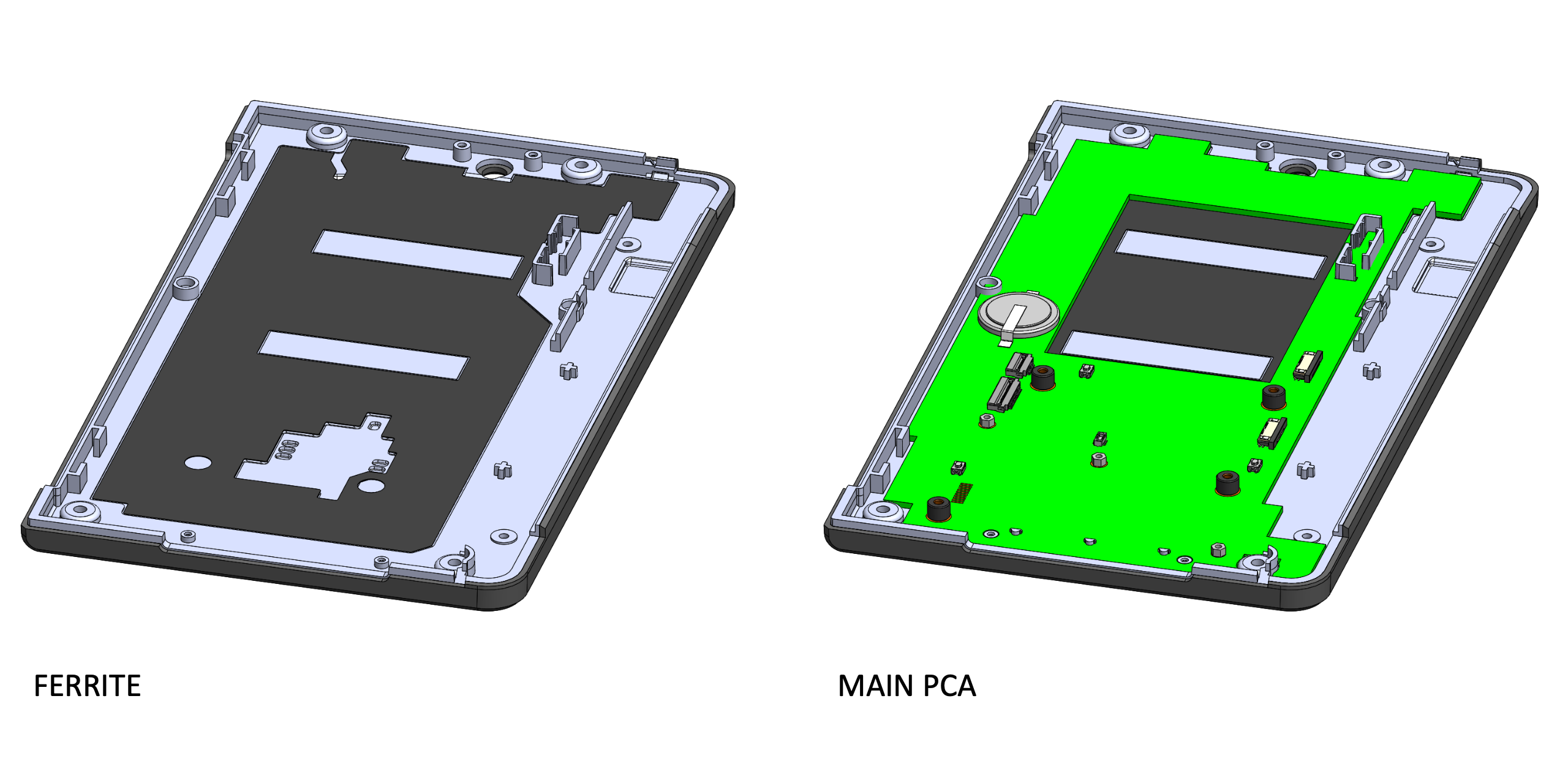
- Internal component packaging and mounting architecture
- Integration of NFC hardware and antenna systems
- Thermal management analysis for electronics and processor performance
- Design of secure mechanical interfaces and access points
The mechanical system was engineered to withstand the wear and handling associated with high-volume restaurant use.
4. Optical Engineering & Illumination
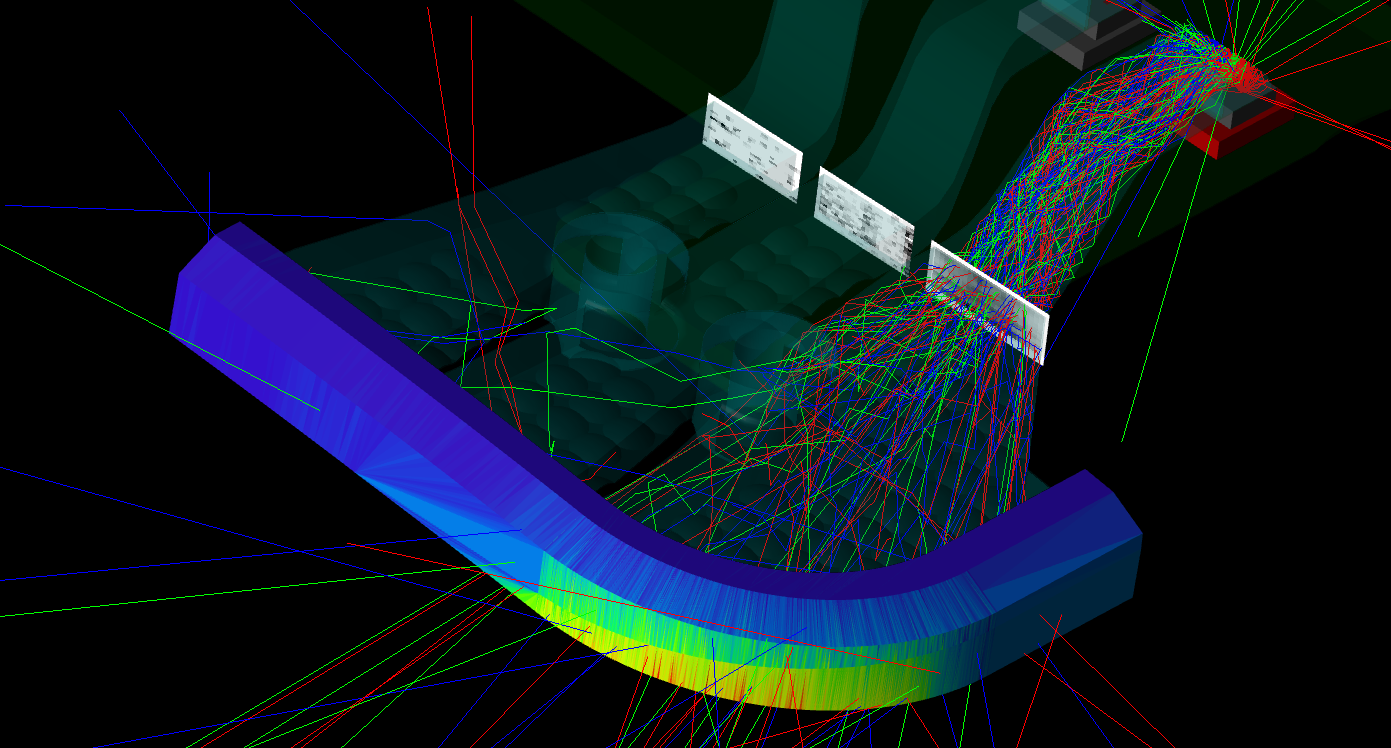
Optical engineering was incorporated early in the design process to develop illumination features that enhanced device usability.
The team developed custom optical elements to achieve:
- Consistent visual indicators across the device surface
- Uniform brightness and clarity
- Manufacturable geometries compatible with injection molding
This collaborative work ensured lighting features performed reliably while remaining production friendly.
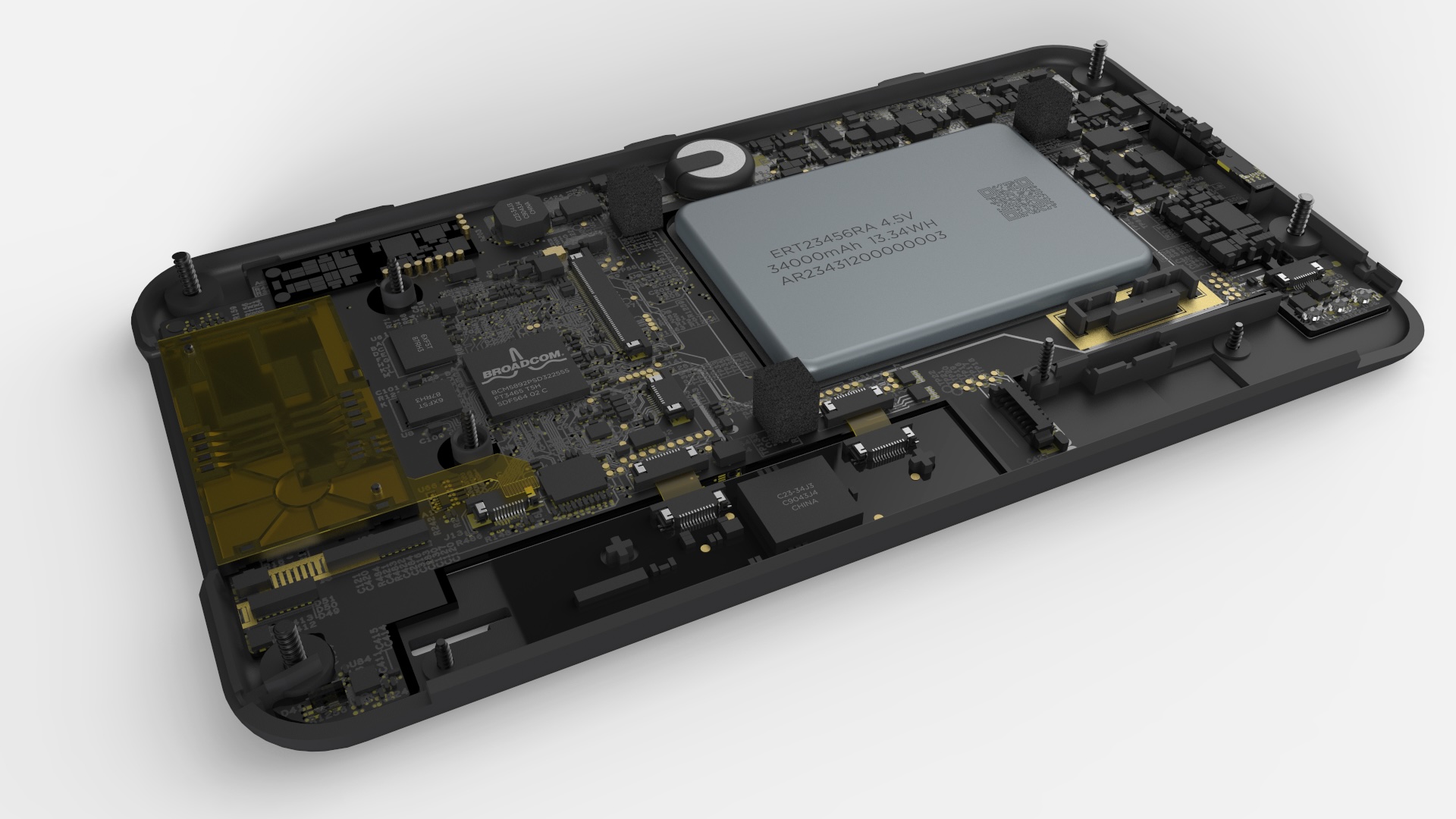
5. Electronics Architecture
The electronics platform was completely redesigned to support the updated device capabilities.
The new architecture included:
- A higher-performance processor for improved system responsiveness
- NFC capability to support contactless payment methods
- Power management architecture optimized for portable operation
- Integration of touchscreen and peripheral subsystems
The new electronics platform also provided a more scalable foundation for future software and feature expansion.
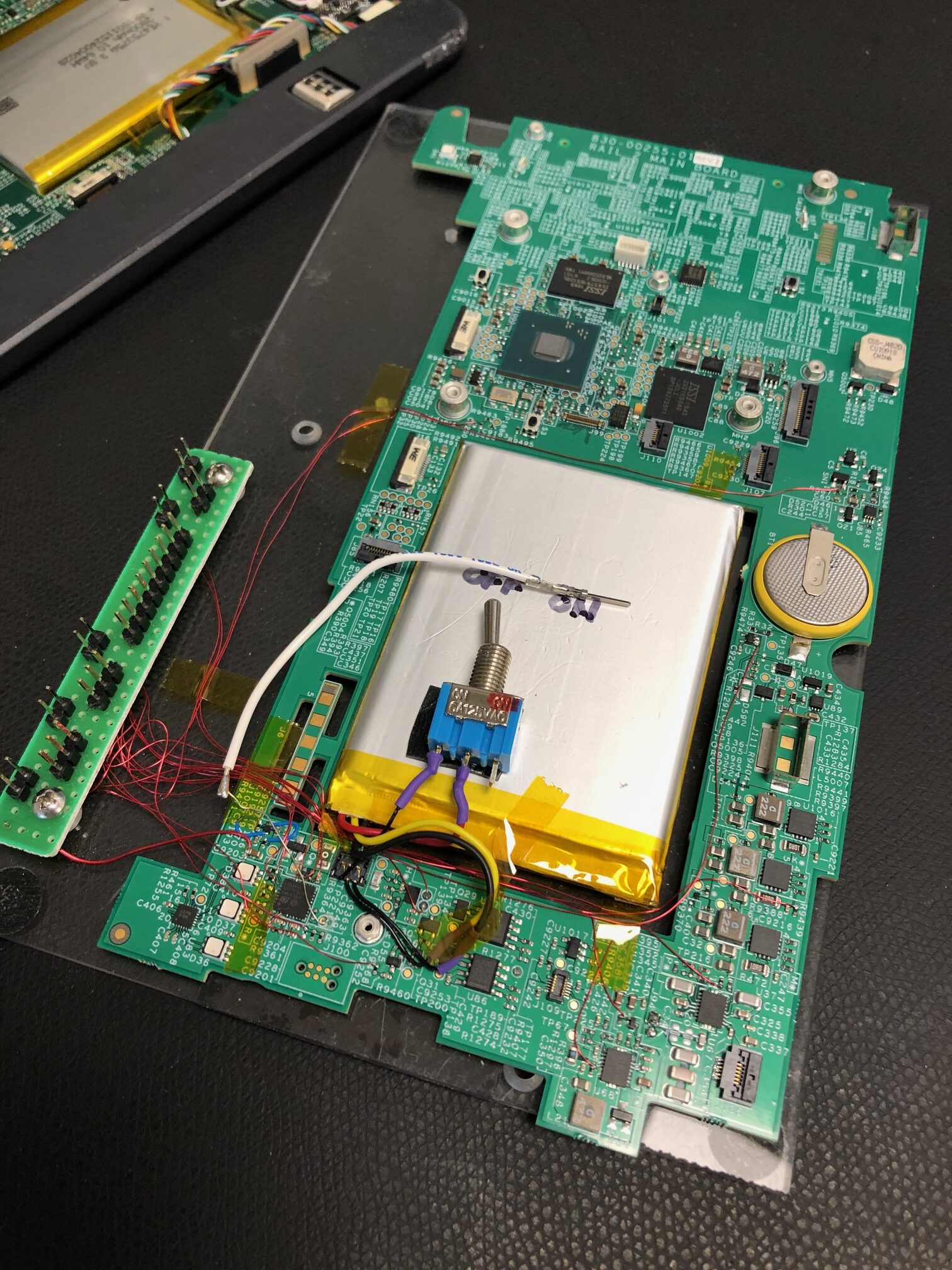
6. Prototyping & Validation
The design progressed through multiple prototype iterations to validate:
- Mechanical fit and component packaging
- Display integration and user interaction
- Electronics functionality and system performance
- Optical performance of illumination features
- Thermal behavior under typical operating conditions
Each prototype build informed design refinements to improve reliability, usability, and manufacturability.
7. Design for Manufacturing
Throughout development, the team incorporated design-for-manufacturing principles to ensure a smooth transition from development to production.
Key activities included:
- Optimization of enclosure components for injection molding
- Assembly architecture refinement
- Tolerance analysis and component alignment strategies
- Collaboration with manufacturing partners to support preproduction builds
RESULTS
The Gen2 RAIL platform delivered a significantly improved pay-at-the-table experience, including:
- A modern touchscreen interface with improved visual clarity
- Contactless NFC payment support
- Faster processing and system responsiveness
- A refined tablet-like design aesthetic
- Protective magnetic cover enhancing durability and user experience
- A scalable electronics architecture for future platform evolution
The project successfully transformed the original product into a modernized second-generation payment system engineered for reliability, usability, and production readiness.
Related Projects
Cell Therapy Manufacturing Platform – Expansion
Package Delivery System
Premium Vaporizer
Surgical Restraint System
Connected Pill Management