Client Confidential
Cell Therapy Manufacturing Platform
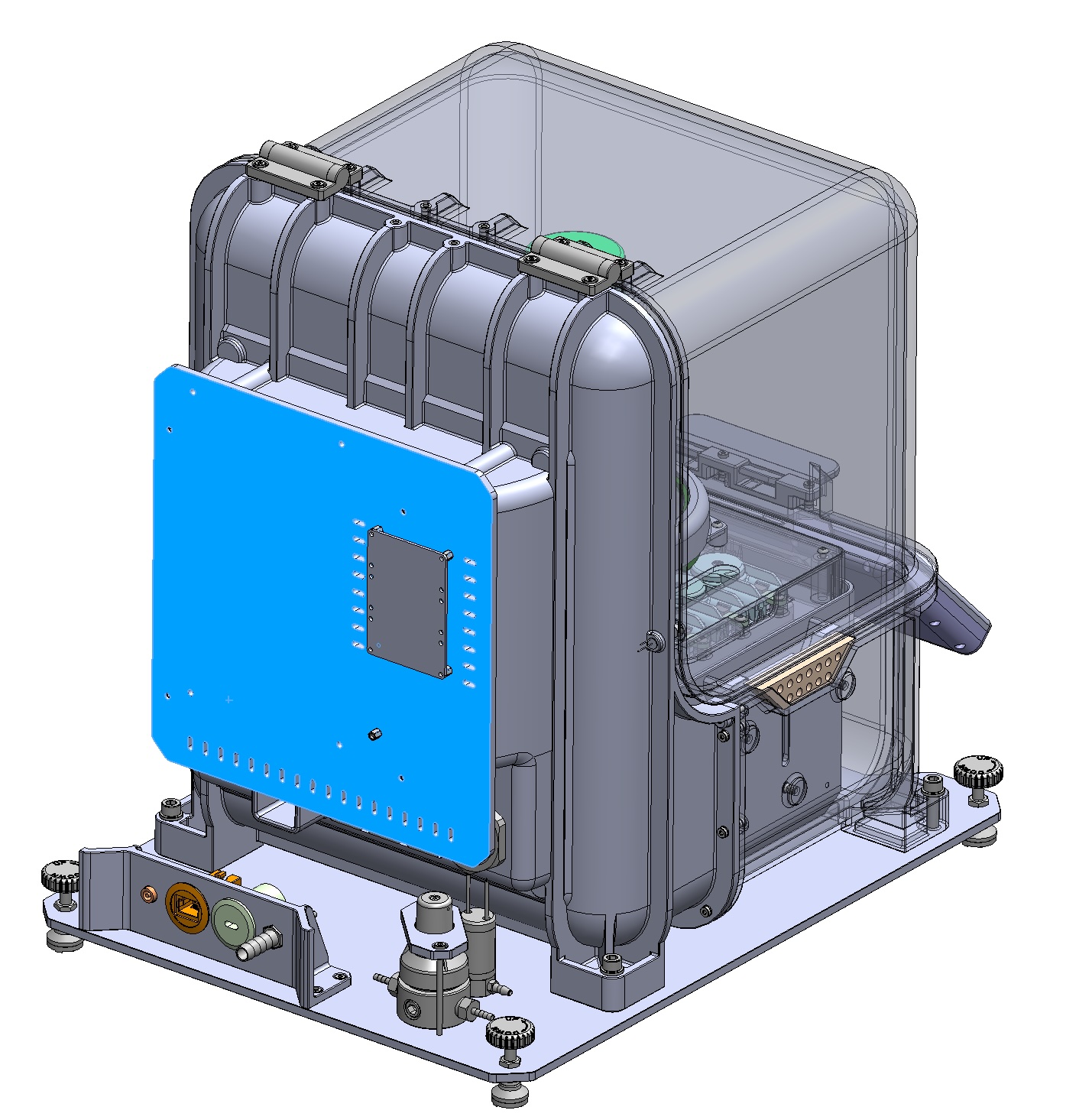
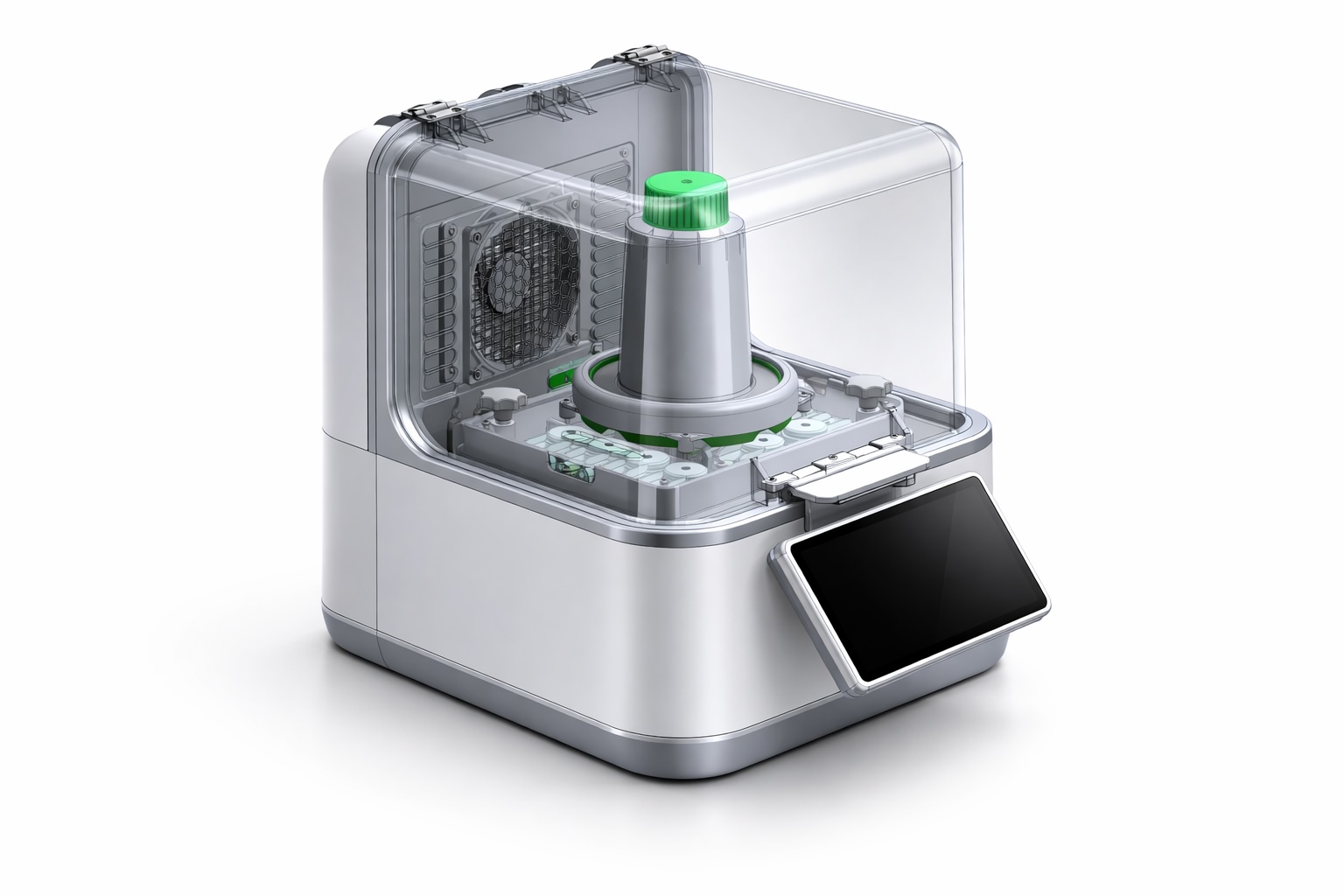
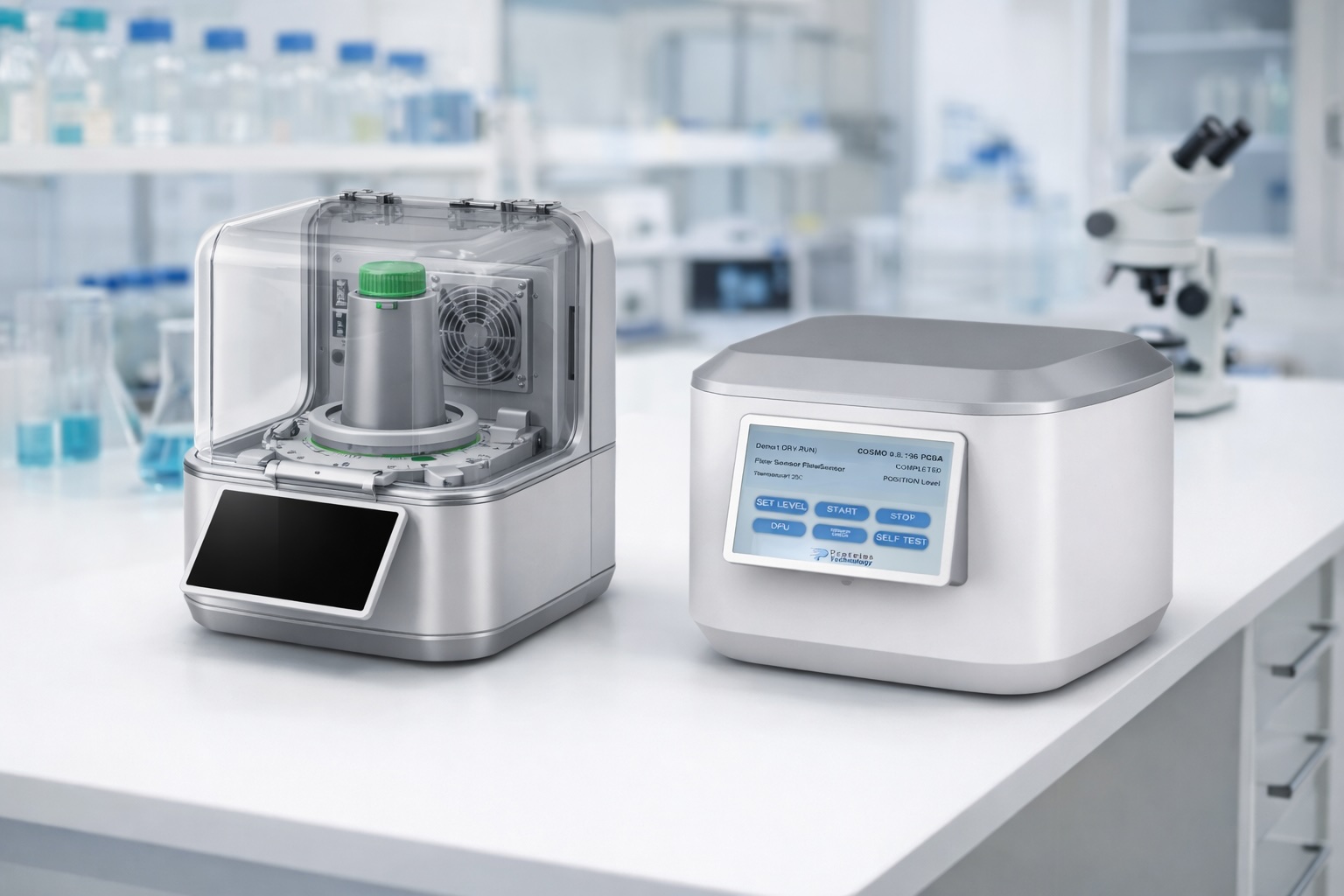
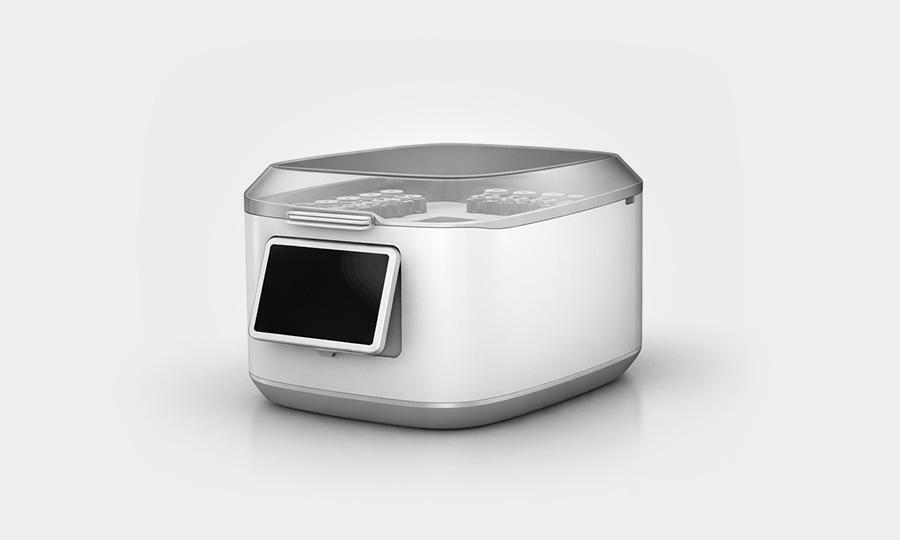
Cell Expansion & Formulation Instrument
Cell therapies, particularly CAR-T, represent a breakthrough in treating cancers and infectious diseases, but today’s manufacturing processes are labor-intensive, costly, and difficult to scale, limiting patient access.
Scaling cell therapies requires precise control over expansion and formulation processes, often involving complex bioreactor systems and environmental regulation.
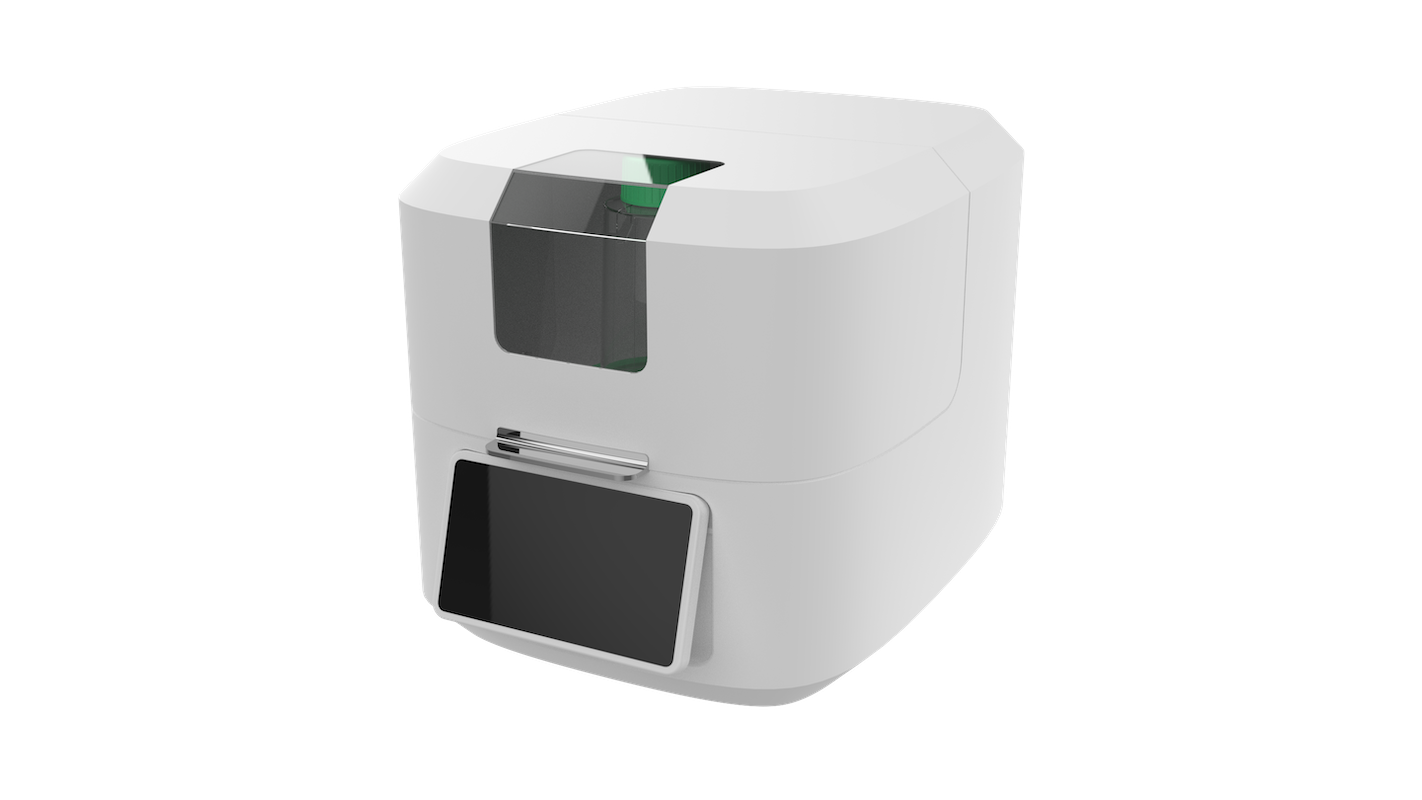
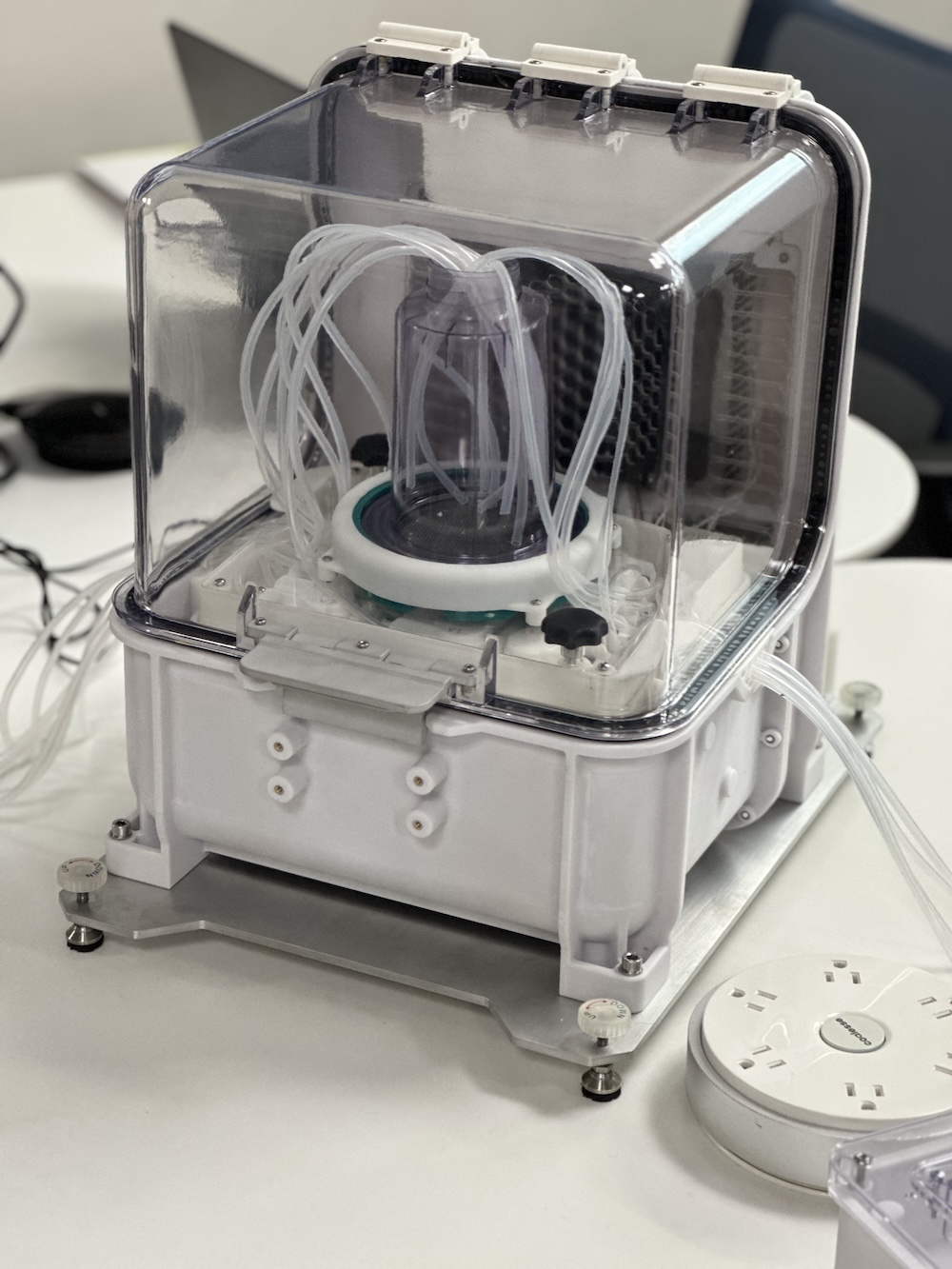
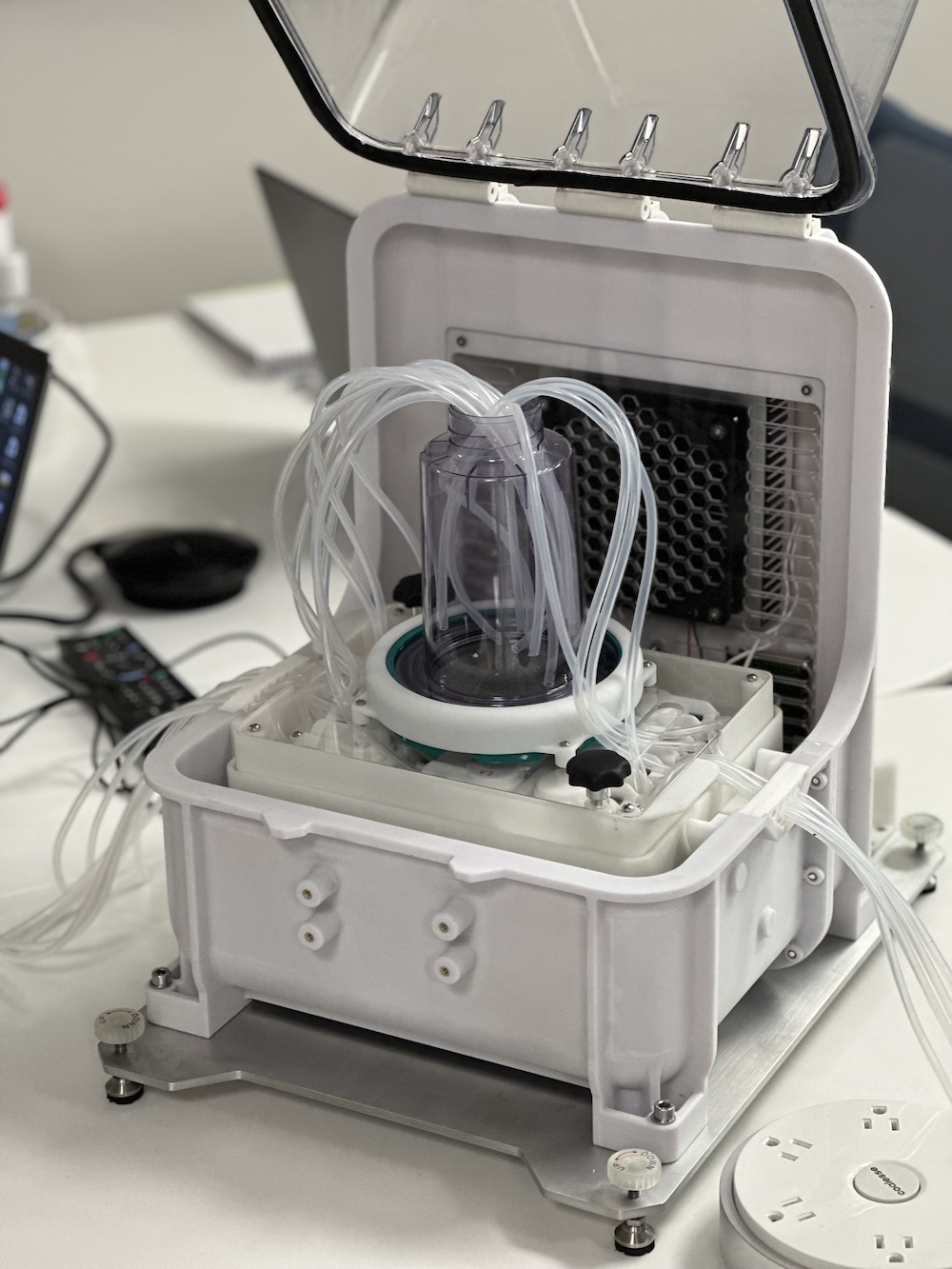
We developed a clinical cell expansion and formulation instrument designed to automate and scale downstream processing within a closed, GMP-compatible platform. The system supports both suspension and adherent cell processes while maintaining tight control over environmental and process parameters.
The instrument enables:
- Cell activation, expansion, and formulation
- Integration with bioreactor systems for scalable cell growth
- Advanced environmental monitoring and control
- Automated fluid handling and sampling
Key features include:
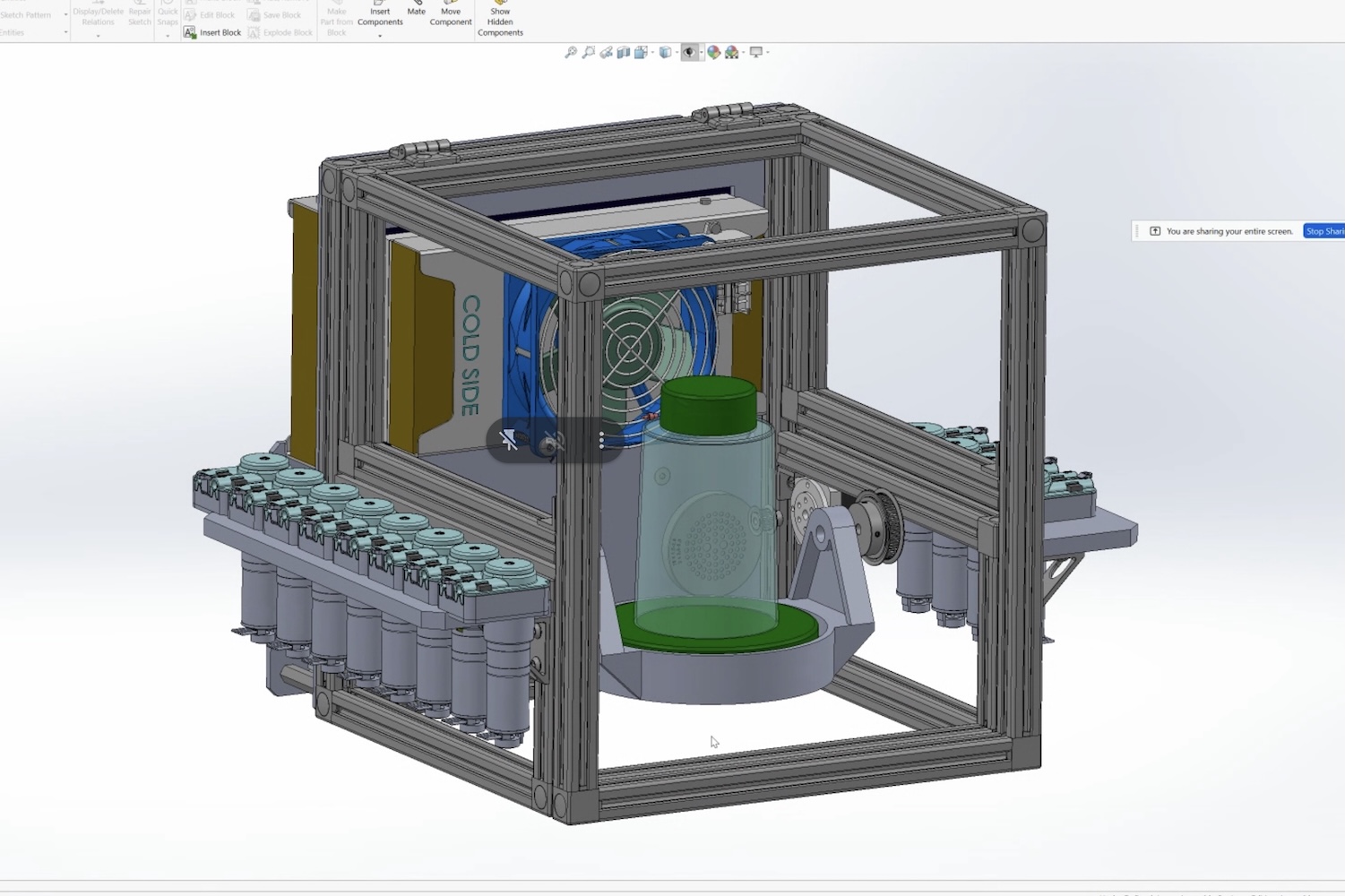
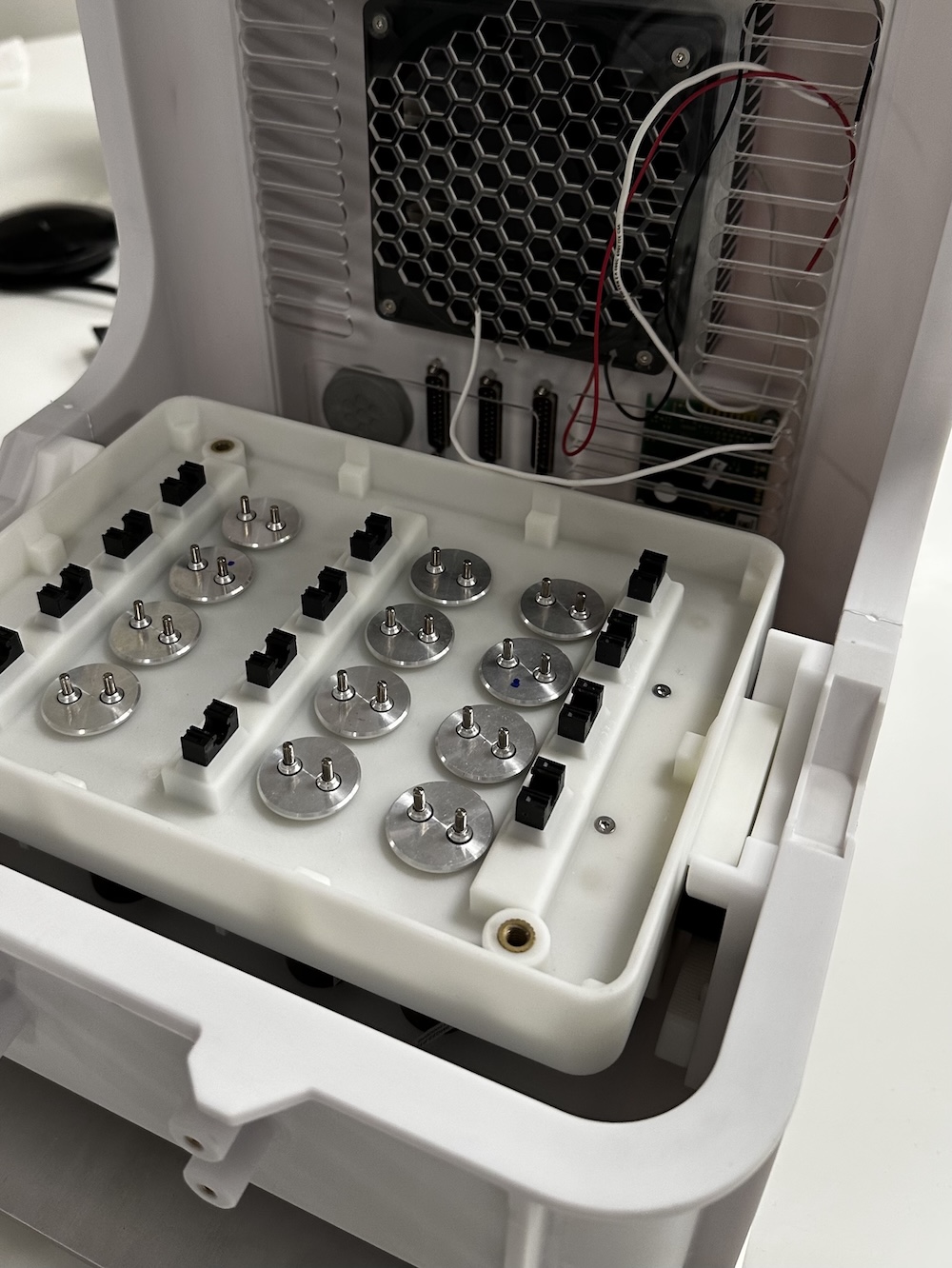
- Rocking motion platform for bioreactor compatibility
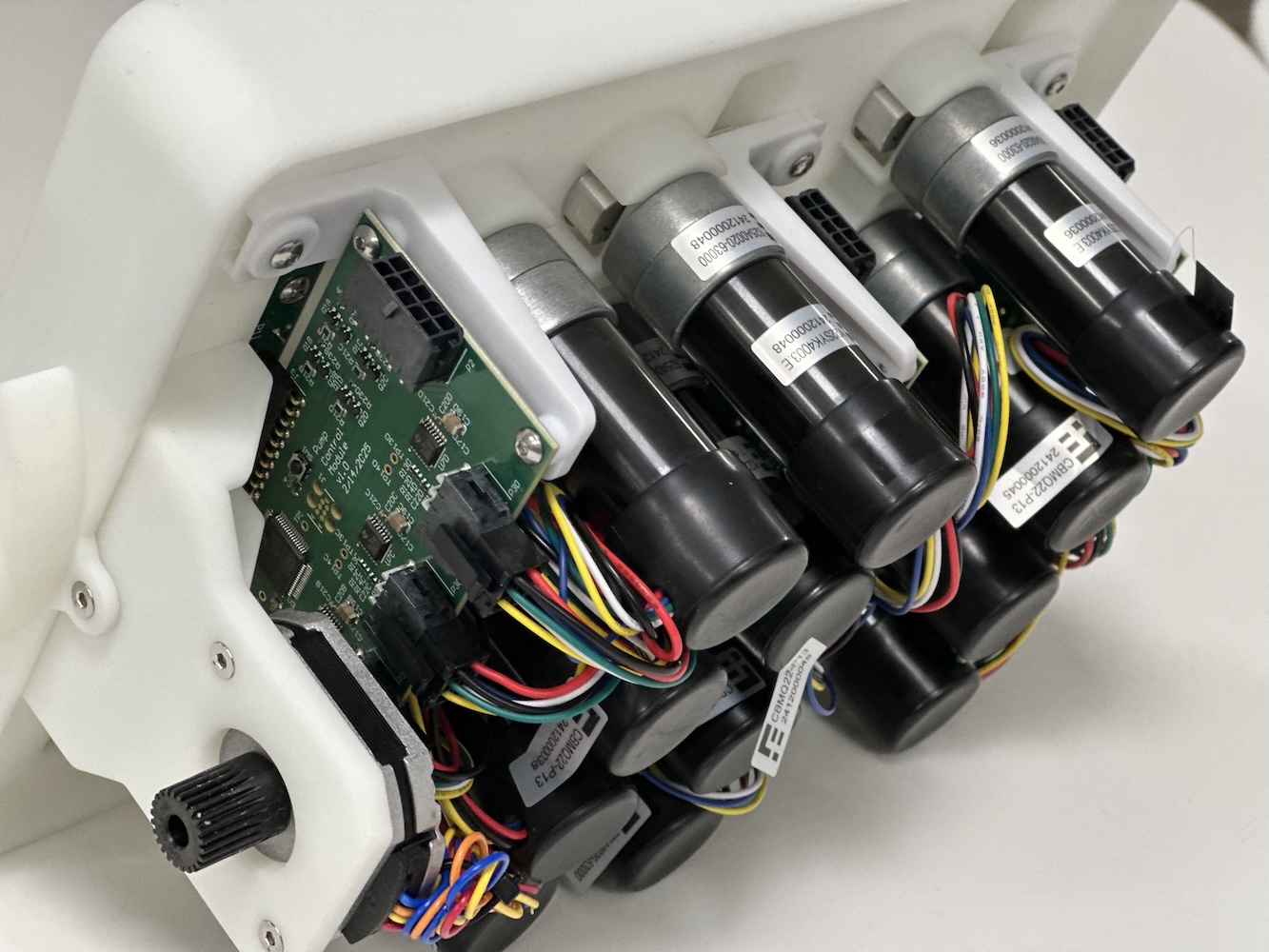
- Multi-channel fluidic management system
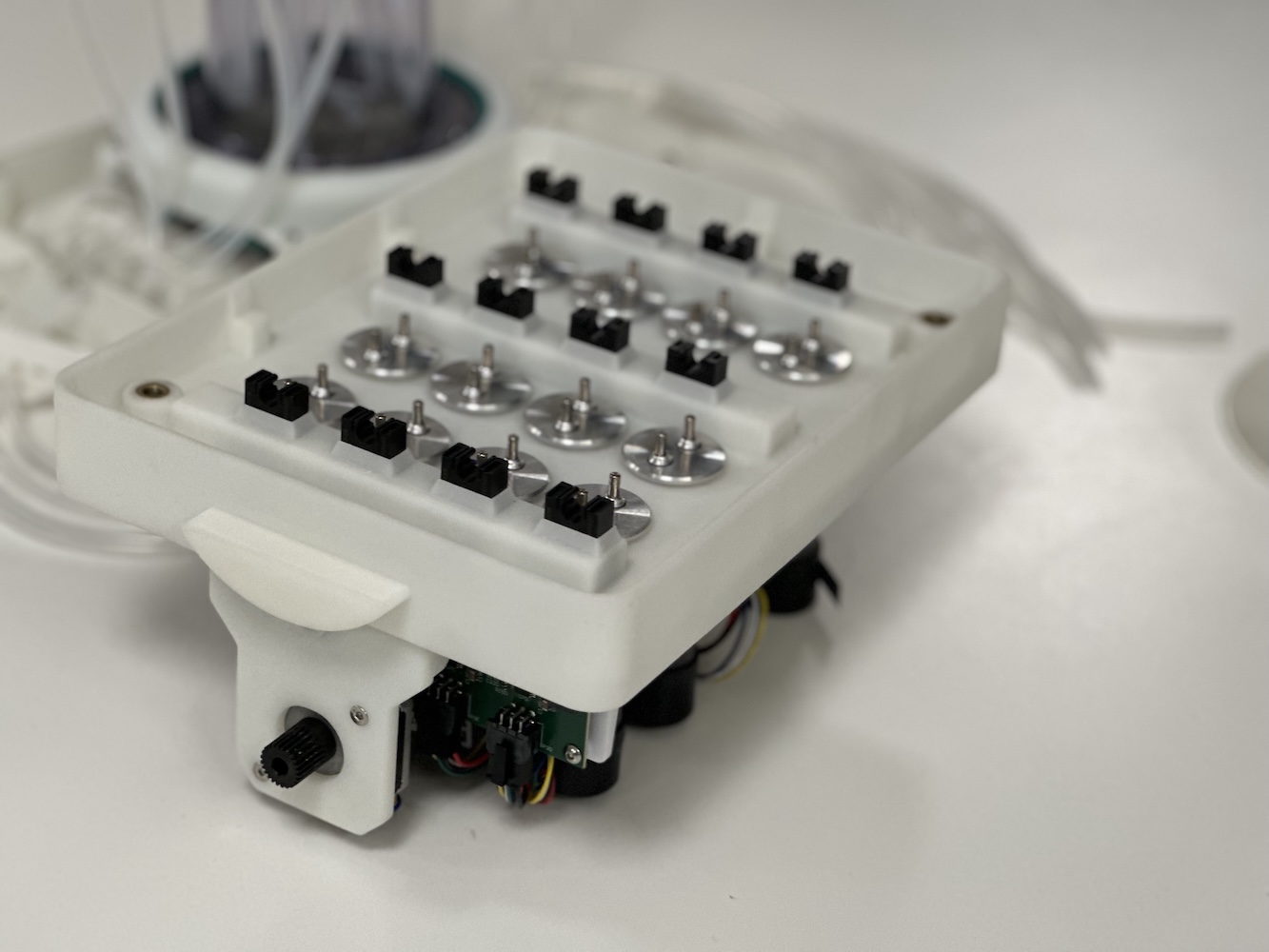
- Closed, single-use cartridge system
- Integrated touchscreen UI for process control
- Interconnectivity with upstream isolation system
Contributions
- User research and system requirements development
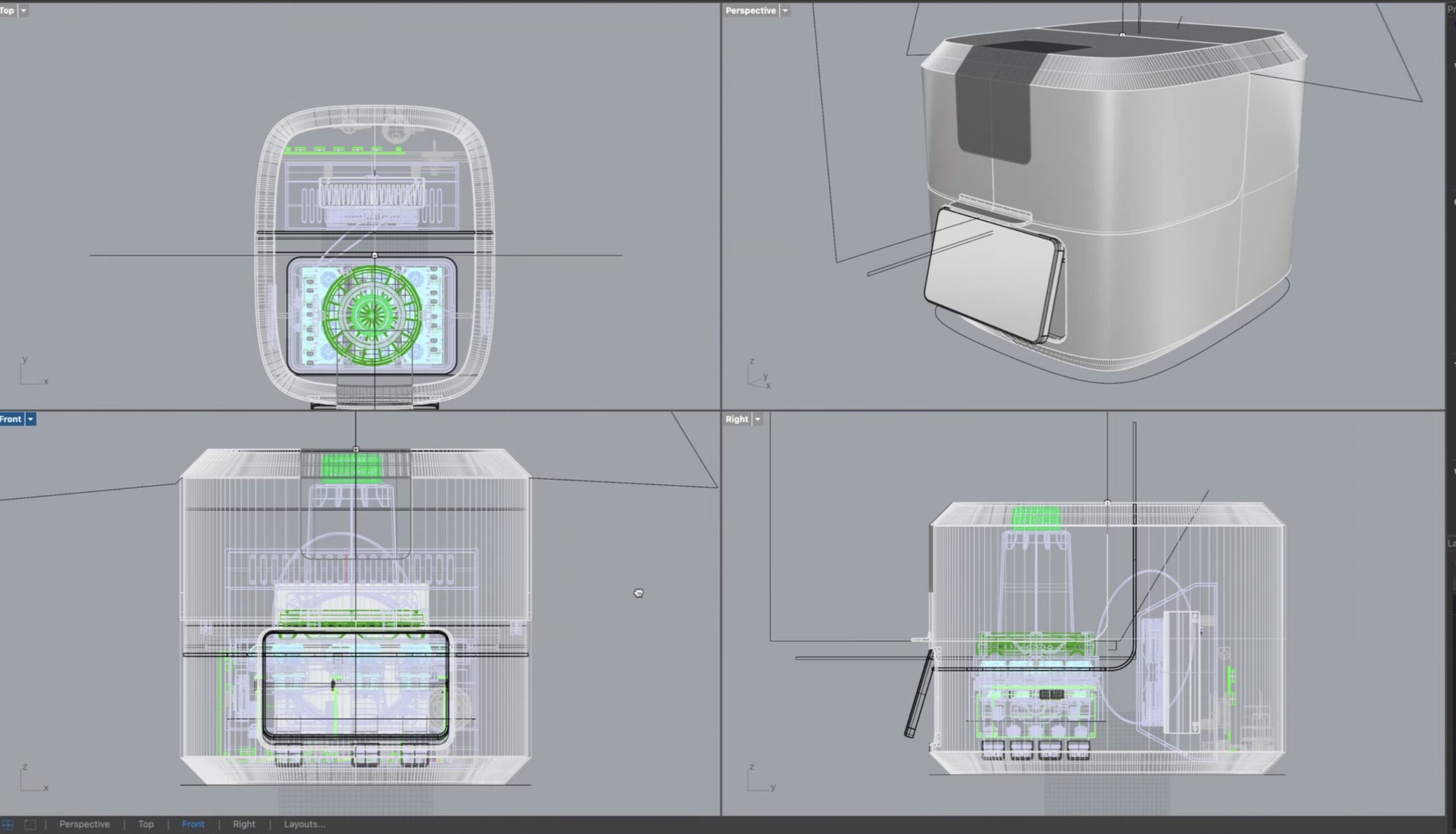
- Industrial design and workflow-driven architecture
- Mechanical design of fluidics, motion, and enclosure systems
- Electronics and control system integration
- Embedded firmware and user interface development
- Prototype development and system-level testing
- Regulatory strategy and design documentation support
Impact
A compact, scalable system engineered for GMP-compliant production, improved workflow efficiency, and reliable, repeatable process control without the need for traditional cleanroom infrastructure.
TAGS
INDUSTRIAL DESIGN
MECHANICAL ENGINEERING
ELECTRICAL ENGINEERING
SOFTWARE ENGINEERING
EMBEDDED FIRMWARE
USABILITY ENGINEERING
USER INTERFACE DEVELOPMENT
QUALITY AND REGULATORY
PROJECT MANAGEMENT
TOOLS
SolidWorks
Rhino
Altium
Jump
Engineering Challenges
- Supporting scalable cell expansionacross varying process conditions
- Integrating bioreactor systems within a compact instrument
- Managing complex sensing (temperature, DO, CO₂, pH, cell density)
- Maintaining sterility and closed-system operation
- Coordinating fluidics, motion, and environmental systems
- Scalable architecture supporting both standalone and integrated operation
- Regulatory and documentation requirements for clinical manufacturing systems
Engineering & Design Approach
1. Industrial Design & User Interaction
We developed a cohesive industrial design language, focused on:
- Clean, approachable form factors for clinical environments
- Clear process visibility and intuitive access points
- Touchscreen-driven workflows for protocol selection and operation
- Simplified setup, operation, and cleaning
Design concepts were iterated through renders and physical prototypes informed by user interaction studies.
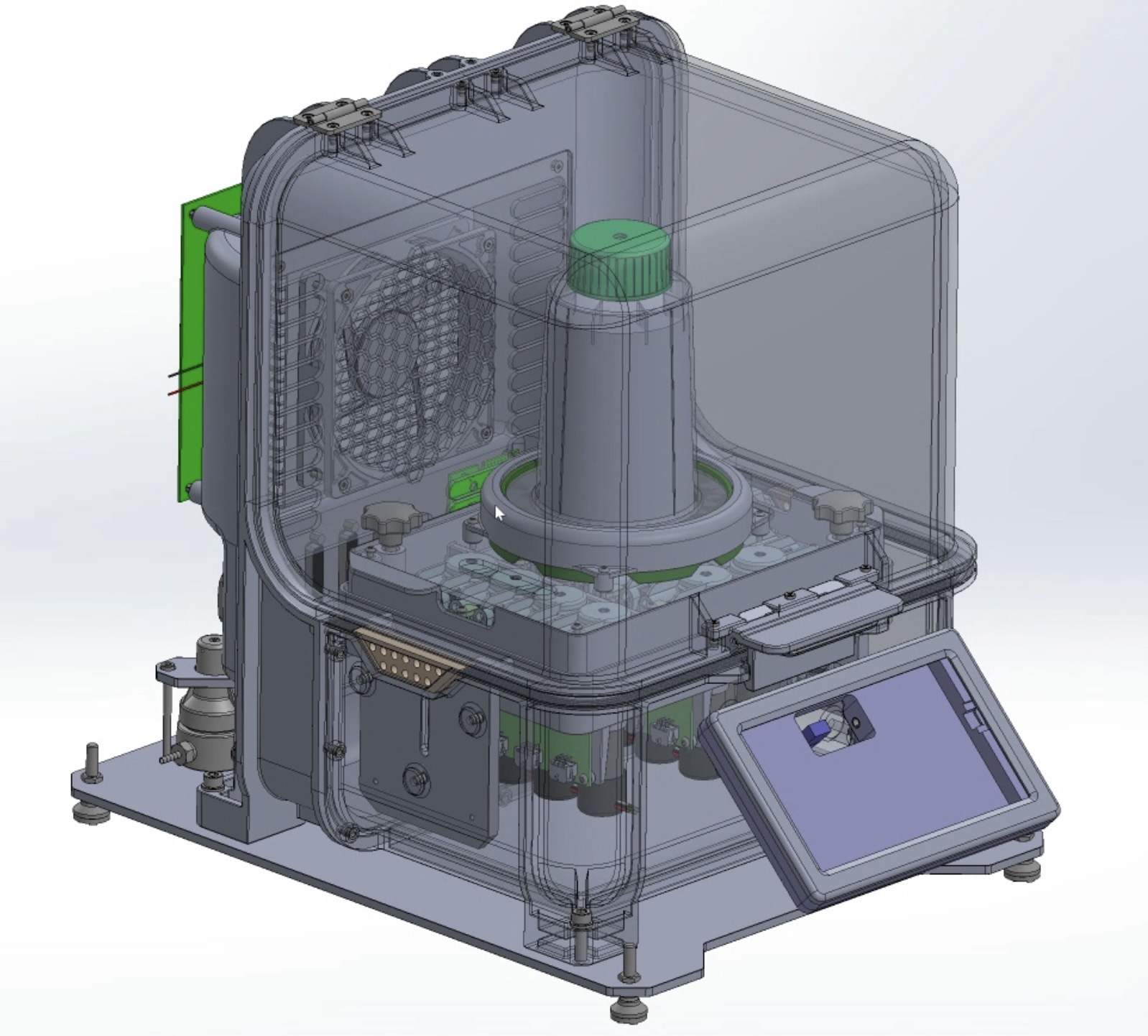
2. Mechanical & System Architecture
We engineered a platform integrating:
- Bioreactor-compatible motion systems
- Fluidic routing for nutrient delivery and waste removal
- Closed single-use cartridge and tubing systems
- Sealed enclosure supporting environmental control
The architecture supports both standalone operation and integration with upstream systems.
3. Environmental & Sensor Integration
The system incorporates advanced sensing and control:
- Temperature (20°C–37°C)
- Dissolved oxygen (DO)
- CO₂ concentration
- pH and cell density
These inputs enable precise process control during cell expansion.
4. Electronics & Control Systems
Custom electronics architecture supported:
- Custom PCBs for motor control, pump systems, and environmental control
- Single-board computer for touchscreen interface and system control
- NFC-based cartridge detection for error-proofing and traceability
- Sensor integration and signal processing
- Data logging and network connectivity
5. Firmware & User Interface
We developed a fully automated control system featuring:
- Protocol-driven workflows
- Real-time monitoring and adjustment
- Data collection and batch traceability
- Intuitive touchscreen interface
6. Prototyping & Validation
We developed multiple generations of functional prototypes:
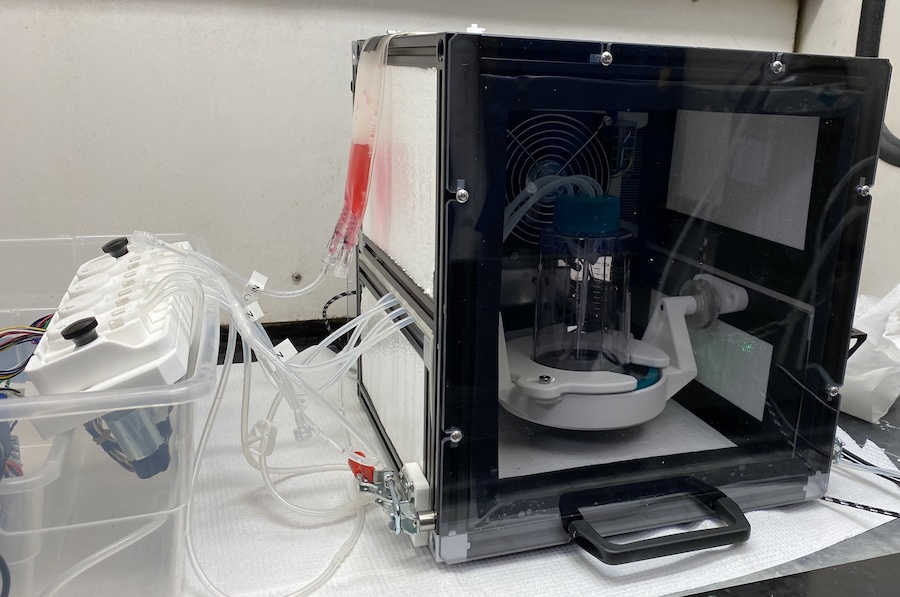
- Technology feasibility platforms for concept and process verification
- Early breadboards for electronics and firmware development
- Subsystem prototypes for fluidics, motion, and environmental control
- Fully integrated instruments for EVT/DVT evaluation and user studies
System-level prototypes were used to validate:
- Bioreactor integration and motion performance
- Environmental control stability
- Fluidic accuracy and repeatability
- End-to-end process performance
- Testing included real-world process validation to confirm target cell expansion and output.
7. Regulatory & Documentation Support
Given the clinical application, we supported:
- Regulatory strategy development
- Design documentation aligned with FDA guidance
- Design History File (DHF) preparation
RESULTS
The expansion instrument provides a scalable, automated platform for cell therapy manufacturing, enabling controlled cell growth and formulation within a compact, closed system.
Related Projects
Package Delivery System
Premium Vaporizer
Surgical Restraint System
Connected Pill Management
Automated Cell Therapy Manufacturing Platform